Exam Prep Brain Diet Checker
Select the foods you consumed today or plan to eat while studying. See how they might impact your memory recall!
Your Memory Score
Select foods and click Analyze to see your potential impact on recall.
You’re three weeks out from your finals. You’ve highlighted every textbook, memorized the periodic table, and practiced past papers until your hand cramps. But then you sit down for a mock test, and suddenly, that one formula you knew cold? Gone. It feels like someone hit delete on your hard drive. Before you blame your genetics or lack of sleep, check what’s on your plate.
We often think of food as fuel, but for students, it’s more like software updates. Some nutrients upgrade your processing speed; others install malware that slows you down. While no single snack will wipe your memory clean instantly, certain dietary habits create a biological environment where recall becomes difficult. This isn’t about strict dieting-it’s about avoiding the specific ingredients that trigger inflammation and blood sugar crashes, both of which are kryptonite for your hippocampus, the part of your brain responsible for forming new memories.
The Sugar Crash Trap: Why Sweets Sabotage Recall
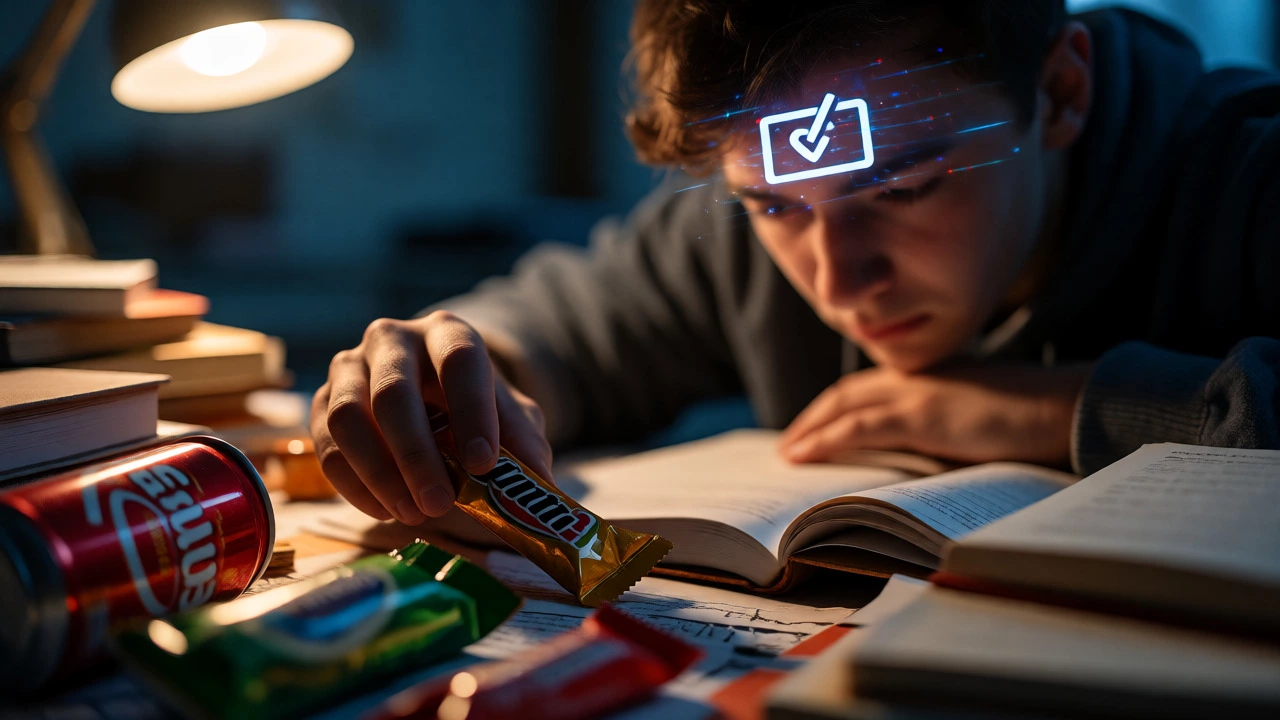
It’s tempting to reach for a candy bar during a late-night study session. The quick spike in glucose gives you a burst of energy, right? Yes, but only for about thirty minutes. After that peak comes the valley. High-glycemic foods-like soda, white bread, pastries, and sugary cereals-cause rapid fluctuations in blood sugar. When your glucose levels crash, your brain, which consumes about 20% of your body’s energy despite being just 2% of its weight, starves.
This starvation leads to "brain fog," a state where focus drifts and information retrieval slows down. A study published in Neurobiology of Learning and Memory found that high-sugar diets can impair synaptic plasticity-the ability of neurons to strengthen connections, which is literally how you learn. If you’re relying on vending machine snacks to power through revision, you might be actively working against your own retention efforts. Swap those treats for complex carbs like oats or whole grains, which release energy slowly and keep your mental stamina steady.
Trans Fats and Artificial Trans Fats: The Silent Inflammation Triggers
If there is one category of food you should cut ruthlessly during exam season, it’s trans fats. These aren’t just bad for your heart; they’re terrible for your head. Found in many fried fast foods, commercially baked goods, and non-dairy creamers, artificial trans fats promote systemic inflammation. Your brain is highly sensitive to this inflammatory response.
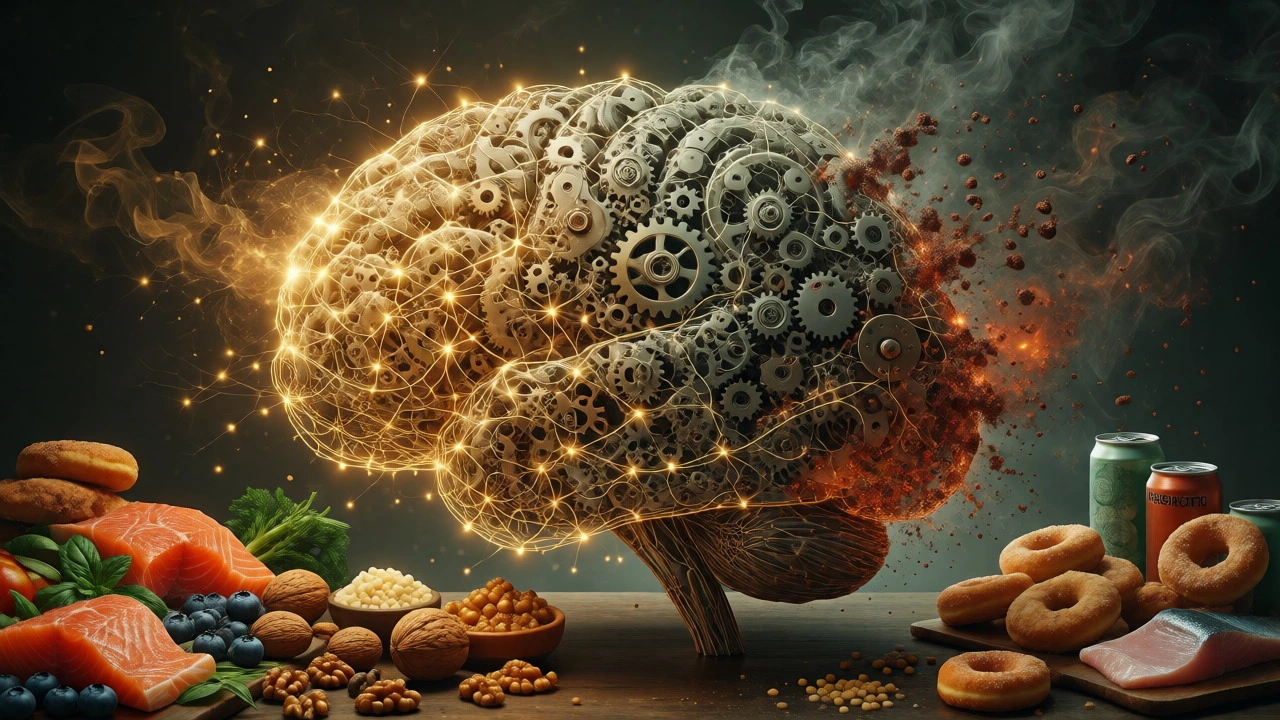
Research suggests that higher intake of trans fats correlates with poorer memory performance in adults. Why? Because inflammation can damage the blood-brain barrier, allowing harmful substances to enter the brain and disrupt neural function. Think of it as rust accumulating in the gears of your mind. Even if you don’t feel "sick" after eating a bag of chips or a donut, your brain might be dealing with microscopic stress that makes recalling facts harder. Check labels for "partially hydrogenated oils"-that’s the sneaky name for trans fat-and try to avoid them entirely while you’re studying.
High-Mercury Fish: Not All Seafood Is Brain Food
You’ve probably heard that fish is good for the brain because of omega-3 fatty acids. That’s true for salmon, mackerel, and sardines. But not all fish are created equal. Large predatory fish like shark, swordfish, king mackerel, and tilefish tend to accumulate high levels of mercury. Mercury is a neurotoxin, meaning it poisons nerve tissue.
While an occasional meal won’t erase your knowledge of Shakespeare, chronic exposure to high-mercury fish can lead to subtle cognitive deficits, including difficulty concentrating and memory lapses. For students preparing for high-stakes exams, the risk isn’t worth the reward. Stick to low-mercury options like canned light tuna, cod, or farmed trout. You still get the anti-inflammatory benefits of omega-3s without loading up on heavy metals that could cloud your thinking.
| Food Item | Primary Negative Component | Effect on Brain | Better Alternative |
|---|---|---|---|
| Soda/Candy | Refined Sugar | Blood sugar crash leading to brain fog | Blueberries or dark chocolate (70%+) |
| Fried Fast Food | Trans Fats/Seed Oils | Inflammation disrupting neural pathways | Nuts (walnuts/almonds) or avocado |
| White Bread/Pasta | High Glycemic Index | Rapid energy spikes and crashes | Quinoa, sweet potatoes, or brown rice |
| Swordfish/Shark | Mercury | Neurotoxicity affecting concentration | Salmon, sardines, or trout |
| Energy Drinks | Caffeine + Sugar Mix | Jitters followed by severe fatigue | Green tea or water with lemon |
Artificial Sweeteners: The Gut-Brain Axis Disruptors
Trying to save calories by drinking diet soda? You might be paying a different price. Recent research highlights the connection between our gut microbiome and brain health, often called the gut-brain axis. Artificial sweeteners like aspartame, sucralose, and saccharin can alter the composition of gut bacteria. Since a significant portion of neurotransmitters like serotonin is produced in the gut, changes here can ripple up to affect mood and cognition.
Some users report headaches or "mental fuzziness" after consuming large amounts of artificial sweeteners. While individual tolerance varies, many students find that switching to natural alternatives-or simply drinking water-clears up their thinking. If you rely on zero-calorie drinks to stay awake, monitor how you feel afterward. If you notice a dip in focus or clarity, it might be time to ditch the diet label for plain hydration.
Excessive Alcohol: The Hangover Isn’t Just Physical
Let’s be real: exam prep involves stress, and sometimes students turn to alcohol to unwind. However, alcohol is arguably the most potent "memory eraser" in the social context. It interferes with the consolidation of memories, specifically the process where short-term memories are converted into long-term storage. This happens primarily during sleep.
Alcohol disrupts REM sleep, the stage where your brain processes and files away the day’s learning. So, if you study for four hours and then have two glasses of wine before bed, you might lose a significant chunk of what you just learned. It’s not just about the hangover headache the next morning; it’s about the neurological reset button that alcohol presses. During intense revision periods, moderation is key. Consider swapping evening beers for herbal teas that promote relaxation without inhibiting memory consolidation.
Building a Memory-Friendly Diet Plan
Avoiding these five categories doesn’t mean eating bland chicken and broccoli forever. It means making smarter swaps that support your cognitive load. Here’s a simple checklist to keep your brain sharp during exam season:
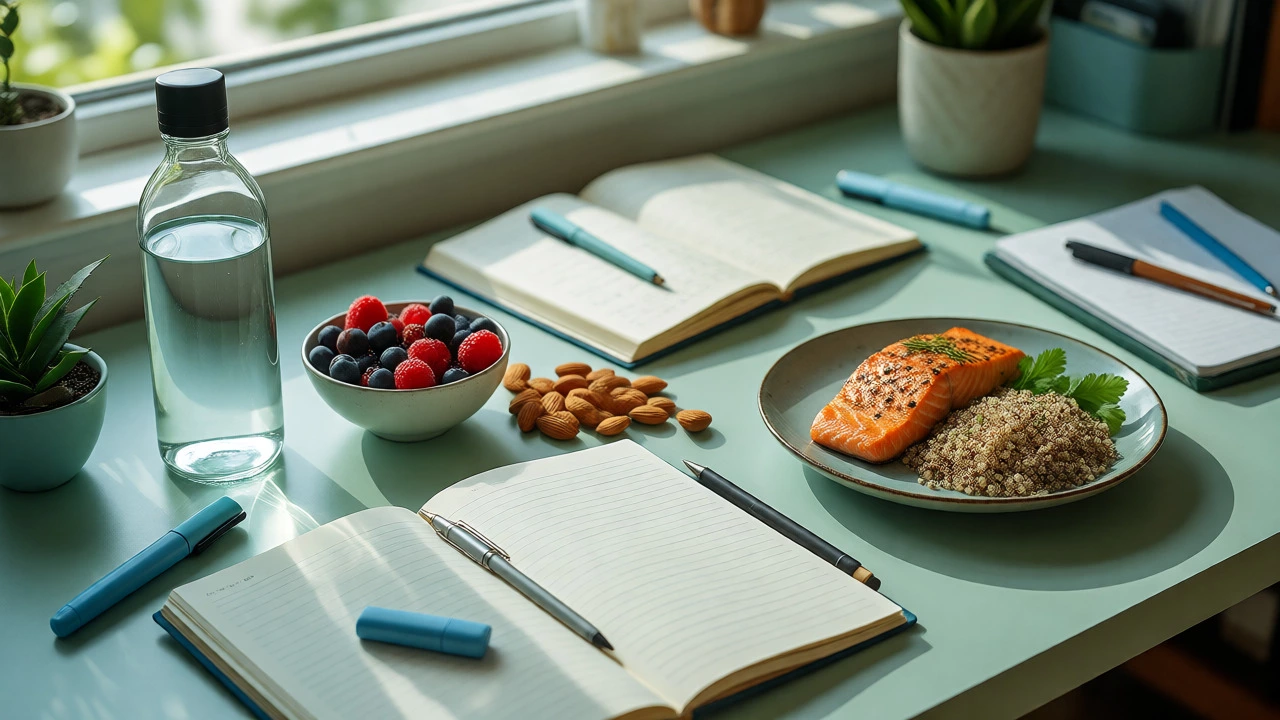
- Hydrate First: Dehydration shrinks brain tissue temporarily, impacting attention. Keep a water bottle on your desk.
- Prioritize Omega-3s: Eat oily fish twice a week or consider a high-quality fish oil supplement.
- Add Antioxidants: Berries, leafy greens, and nuts combat oxidative stress caused by studying.
- Stabilize Blood Sugar: Pair carbs with protein or healthy fats to prevent energy crashes.
- Watch the Clock: Stop eating heavy meals at least three hours before bed to improve sleep quality.
Your brain is an organ, and like any other organ, it needs the right inputs to function optimally. By cutting out the memory erasing foods-excess sugar, trans fats, high-mercury fish, artificial sweeteners, and excessive alcohol-you remove the friction that slows down your learning. You’ve put in the work to study; now give your biology a chance to keep up.
Does coffee count as a memory erasing food?
No, moderate coffee consumption is generally linked to improved alertness and memory. However, excessive caffeine combined with sugar can cause jitters and subsequent crashes, which may hinder focus. Stick to black coffee or limit added sugars.
How long does it take to see improvements in memory after changing my diet?
You may notice reduced brain fog within a few days of stabilizing blood sugar and reducing inflammation. Significant structural changes in brain health typically require several weeks to months of consistent healthy eating.
Are bananas good for memory?
Yes, bananas contain potassium, magnesium, and vitamin B6, which support nerve function and help maintain stable energy levels, preventing the crashes associated with sugary snacks.
Can dehydration really affect my exam performance?
Absolutely. Even mild dehydration (1-2%) can impair concentration, short-term memory, and psychomotor skills. Always drink water before and during study sessions.
What is the best breakfast for exam prep?
A combination of protein, healthy fats, and fiber works best. Examples include Greek yogurt with berries and walnuts, or oatmeal with chia seeds and a boiled egg. This keeps blood sugar stable throughout the morning.