
Pre-Exam Brain Fuel Calculator
Select the items in your planned breakfast to see how they affect your "Brain Power Score" (FPS). A higher score indicates better sustained focus and memory recall potential.
The Core Protein
Carbohydrate Source
Boosters & Hydration
Your Exam Breakfast Rating
It’s 8:30 AM. You’re staring at a stack of revision notes, your stomach is rumbling, and you’re trying to decide what to eat. Do you grab a sugary cereal bar for quick energy? Or do you make something more substantial? This isn’t just about hunger; it’s about fueling your brain for the next three hours of intense focus. Many students have heard that eggs are a powerhouse food for brain health and cognitive function. But does eating them right before an exam actually help you score higher?
The short answer is yes. Eggs are one of the best foods you can eat before a test, but timing and preparation matter. They provide steady energy without the crash associated with sugar-heavy meals. Let’s break down why eggs work, how they compare to other breakfast options, and exactly how to include them in your pre-exam routine.
The Choline Connection: Why Eggs Boost Memory
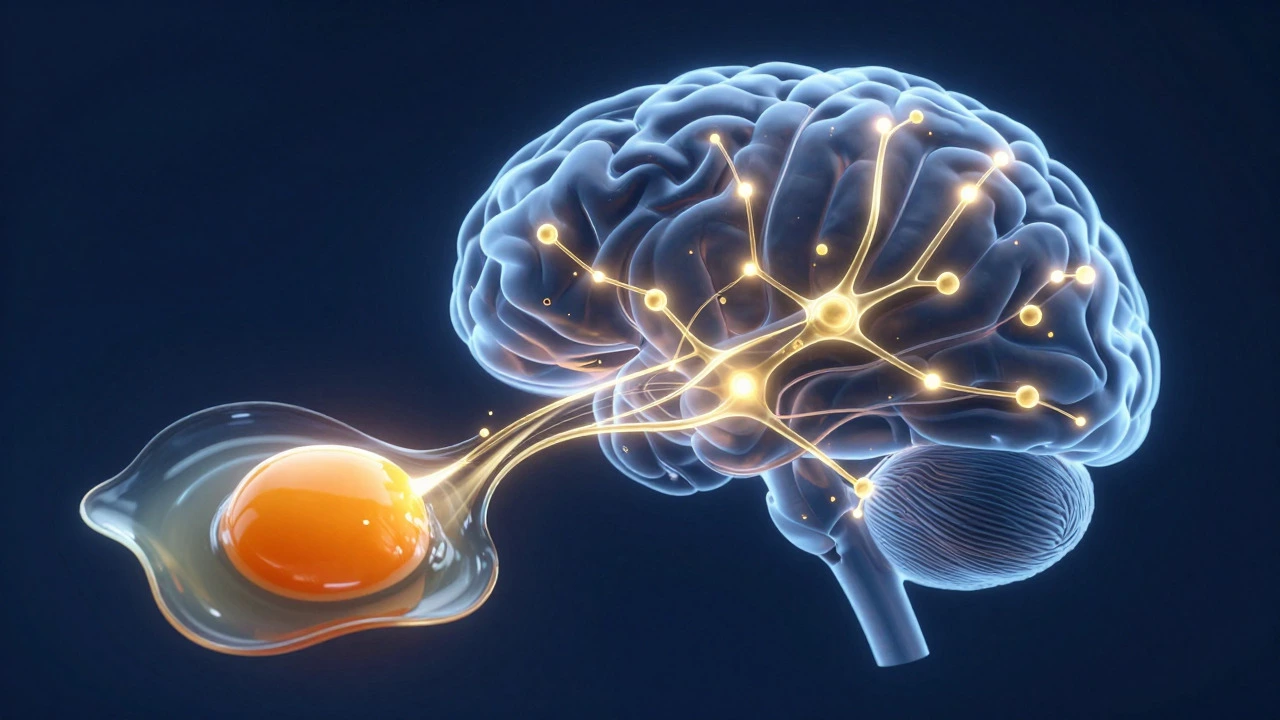
To understand why eggs are so effective, we need to look at their nutritional profile. The star ingredient here is choline is an essential nutrient found primarily in egg yolks that supports memory and brain development. Your brain uses choline to create acetylcholine, a neurotransmitter that plays a key role in learning, memory, and muscle control.
Most people don’t get enough choline in their daily diet. According to dietary guidelines, adults need about 425-550 mg of choline per day. A single large egg provides about 147 mg of choline, which is nearly a third of your daily requirement in one bite. When you study hard, your brain consumes glucose rapidly. Choline helps regulate the signaling between nerve cells, ensuring that information retrieval during an exam is smooth and efficient.
Think of choline like the oil in a car engine. Without it, the parts grind against each other, causing friction and overheating. With it, everything runs smoothly. For a student under pressure, this smooth operation translates to better recall of facts and figures when the clock is ticking.
Steady Energy vs. The Sugar Crash
Many students reach for toast with jam or a granola bar before an exam. These foods are high in simple carbohydrates. They spike your blood sugar quickly, giving you a burst of energy. However, this energy is short-lived. Within an hour, your blood sugar drops, leading to fatigue, brain fog, and irritability. This is often called the "sugar crash," and it’s the last thing you want during a critical moment in your test.
Eggs, on the other hand, are rich in protein and healthy fats. Protein takes longer to digest, providing a slow and steady release of energy. This means you stay focused for the entire duration of the exam. The fats in eggs also support cell membrane health, which is crucial for nerve signal transmission.
| Food Item | Primary Nutrient | Energy Release | Brain Benefit |
|---|---|---|---|
| Sugary Cereal | Simple Carbs | Fast (Crash in 60 mins) | None significant |
| Eggs | Protein & Choline | Slow & Steady | Memory & Focus |
| Bacon | Fat & Sodium | Slow | Minimal |
| Fruit Juice | Sugar | Fast (Crash in 45 mins) | Hydration only |
Timing Is Everything: When to Eat Your Eggs
Eating too close to your exam start time can cause discomfort. Digestion requires blood flow to move away from the brain to the stomach. If you eat a heavy meal right before sitting down, you might feel sluggish or sleepy. This is known as postprandial somnolence, or the "food coma."
The ideal window to eat your egg-based breakfast is 90 to 120 minutes before the exam begins. This gives your body enough time to digest the protein and fats while still having the nutrients available in your bloodstream when the test starts. If your exam is at 9:00 AM, aim to finish eating by 7:30 AM.
If you wake up late and only have 30 minutes before the exam, stick to half an egg or a small portion of scrambled eggs with a piece of whole-grain toast. This lighter load will be easier on your digestive system while still providing some choline and protein.
How to Prepare Eggs for Maximum Benefit
You don’t need a fancy recipe to get the benefits. In fact, simpler is often better because it reduces the risk of indigestion. Here are the best ways to prepare eggs for exam day:
- Boiled Eggs: Hard-boiled eggs are portable and easy to digest. They contain no added fats or oils, making them light on the stomach. You can prepare these the night before and keep them in the fridge.
- Poached Eggs: Poaching cooks the eggs gently in water, preserving nutrients without adding heavy fats. Serve them on a slice of whole-grain bread for added fiber.
- Scrambled Eggs: Use a small amount of olive oil or butter. Avoid overcooking, as this can make the eggs tough and harder to digest. Adding spinach can boost iron levels, which helps with oxygen transport in the blood.
Avoid deep-fried eggs or eggs cooked in large amounts of bacon grease. Heavy fats can sit in your stomach for hours, causing bloating and discomfort. You want your body to feel light and energized, not weighed down.
Pairing Eggs with Other Brain Foods
Eggs are great, but they work even better when paired with complementary foods. A balanced meal ensures you get a mix of macronutrients and micronutrients that support overall cognitive function.
Combine your eggs with complex carbohydrates like oatmeal or whole-grain toast. Complex carbs provide glucose, which is the brain’s primary fuel source. Unlike simple sugars, complex carbs break down slowly, maintaining stable blood sugar levels throughout the exam.
Add a handful of berries, such as blueberries or strawberries. Berries are rich in antioxidants, specifically flavonoids, which reduce inflammation in the brain and improve communication between brain cells. Studies have shown that regular consumption of berries can enhance memory retention.
Don’t forget hydration. Drink a glass of water with your breakfast. Dehydration, even mild, can impair concentration and short-term memory. Avoid excessive caffeine, as it can increase anxiety and lead to jitters. One cup of coffee or tea is fine, but more than that might backfire.

Common Myths About Exam Day Eating
There are many misconceptions about what to eat before a test. Let’s clear up a few common myths.
Myth: You should skip breakfast to avoid feeling full.
Skipping breakfast leads to low blood sugar, which causes poor concentration and irritability. Your brain needs fuel to perform. Always eat something, even if it’s small.
Myth: Chocolate boosts intelligence.
Dark chocolate contains cocoa flavanols, which may improve blood flow to the brain. However, most chocolate bars are high in sugar and fat. A small square of dark chocolate (70% cocoa or higher) is okay, but don’t rely on it as your main fuel source.
Myth: Supplements replace food.
While choline supplements exist, getting nutrients from whole foods is always better. Whole foods provide a matrix of vitamins, minerals, and fiber that work together synergistically. Supplements can sometimes cause side effects like nausea or digestive issues, which are risky on exam day.
What to Avoid Before an Exam
Knowing what to eat is important, but knowing what to avoid is equally crucial. Certain foods can sabotage your performance by causing digestive distress or energy crashes.
- Spicy Foods: Chili peppers and hot sauces can cause heartburn and stomach upset. Acid reflux is distracting and painful, making it hard to focus on questions.
- Dairy Products (if sensitive): If you know dairy makes you gassy or bloated, avoid milk, cheese, or yogurt on exam morning. Even if you’re not lactose intolerant, heavy cream in coffee or large portions of cheese can slow digestion.
- Processed Meats: Bacon, sausages, and ham are high in sodium and preservatives. High sodium intake can lead to dehydration and bloating. Stick to lean proteins like eggs or chicken instead.
- New Foods: Never try a new food or recipe on exam day. Your body might react unpredictably. Stick to foods you know your stomach handles well.
Creating Your Ideal Exam Breakfast Menu
Now that you know the principles, let’s put together a practical menu. Here are three balanced options that feature eggs as the centerpiece:
- The Classic Combo: Two soft-boiled eggs, one slice of whole-grain toast with a thin layer of avocado, and a small bowl of blueberries. Avocado provides healthy monounsaturated fats that support brain health.
- The Savory Bowl: Scrambled eggs with spinach and mushrooms served over a small portion of quinoa. Quinoa is a complete protein and provides sustained energy. Mushrooms add selenium, which protects brain cells from oxidative stress.
- The Quick Fix: An omelet made with two eggs and diced tomatoes, served with a banana. Bananas are rich in potassium, which helps maintain proper nerve function and prevents cramps.
Remember to drink water with each meal. Hydration is key to keeping your mind sharp. If you’re nervous, take a few deep breaths after eating to calm your nerves and aid digestion.
Can I eat eggs the night before my exam?
Yes, absolutely. Eating eggs for dinner the night before helps replenish your glycogen stores and provides amino acids needed for tissue repair and brain function. A light dinner with grilled chicken or fish and vegetables is ideal, but eggs can be part of that meal too. Just ensure you eat at least 2-3 hours before bedtime to allow for proper digestion.
Is it better to eat the yolk or just the white?
You should eat the whole egg. Most of the choline, along with vitamins B12 and D, is found in the yolk. While egg whites are pure protein, skipping the yolk means missing out on the specific nutrients that support memory and cognitive function. Unless you have a specific medical reason to limit cholesterol, the whole egg is the superior choice for brain health.
What if I’m vegan or allergic to eggs?
If you can’t eat eggs, there are other good sources of choline and protein. Soybeans, quinoa, broccoli, and Brussels sprouts contain choline. For protein, consider tofu, tempeh, or legumes. Pair these with complex carbs like oats or brown rice to ensure steady energy release. Walnuts are also excellent for brain health due to their omega-3 fatty acid content.
Does caffeine interfere with the benefits of eggs?
Caffeine doesn’t negate the benefits of eggs, but it can amplify anxiety. If you’re already nervous about the exam, too much caffeine might make you jittery. It’s best to limit yourself to one cup of coffee or tea. The combination of caffeine and the steady energy from eggs can be powerful if you tolerate caffeine well, but moderation is key.
How long do the effects of choline last?
Choline is absorbed relatively quickly, but its effects on neurotransmitter production are ongoing. Eating eggs 90-120 minutes before an exam ensures that choline levels are optimized during the peak of your test. For long-term benefits, incorporating eggs into your daily diet during the revision period can help build a strong foundation for cognitive health.