Adult Learning Strategy Generator
Step 1: Your Profile
Your Personalized Blueprint
Based on your profile and the science of adult neuroplasticity.
Primary Approach
Loading...
Tactical Adjustment
Loading...
Barrier Breaker
Loading...
Pro Tip: Loading...
Select your profile details
and click generate to see how your brain can adapt.
There is a persistent myth that once you hit your twenties-or worse, your thirties-your brain locks into place. You hear it all the time: "You can't teach an old dog new tricks." But if you have ever picked up a guitar at forty or learned Spanish at fifty, you know this isn't entirely true. The reality is more nuanced than a simple yes-or-no answer. Learning doesn't stop at a certain birthday; it changes shape.
The short answer is that raw processing speed and memory capacity begin to dip in our mid-twenties. However, the ability to learn complex concepts, integrate new information with existing knowledge, and master skills through deliberate practice actually improves well into middle age. Understanding this shift is the key to unlocking potential at any stage of life.
Quick Takeaways
- Peak Fluid Intelligence: Raw processing speed and quick memorization peak around age 20-25.
- Rising Crystallized Intelligence: The ability to use accumulated knowledge and experience continues to grow until age 60+.
- Neuroplasticity Never Stops: The brain remains capable of forming new neural connections throughout life, though the method must change.
- The "Savings Effect": Adults learn faster when new skills connect to what they already know.
- Strategic Shift: Older learners succeed by focusing on depth and context rather than rote memorization.
The Two Types of Intelligence: Why Age Matters Differently
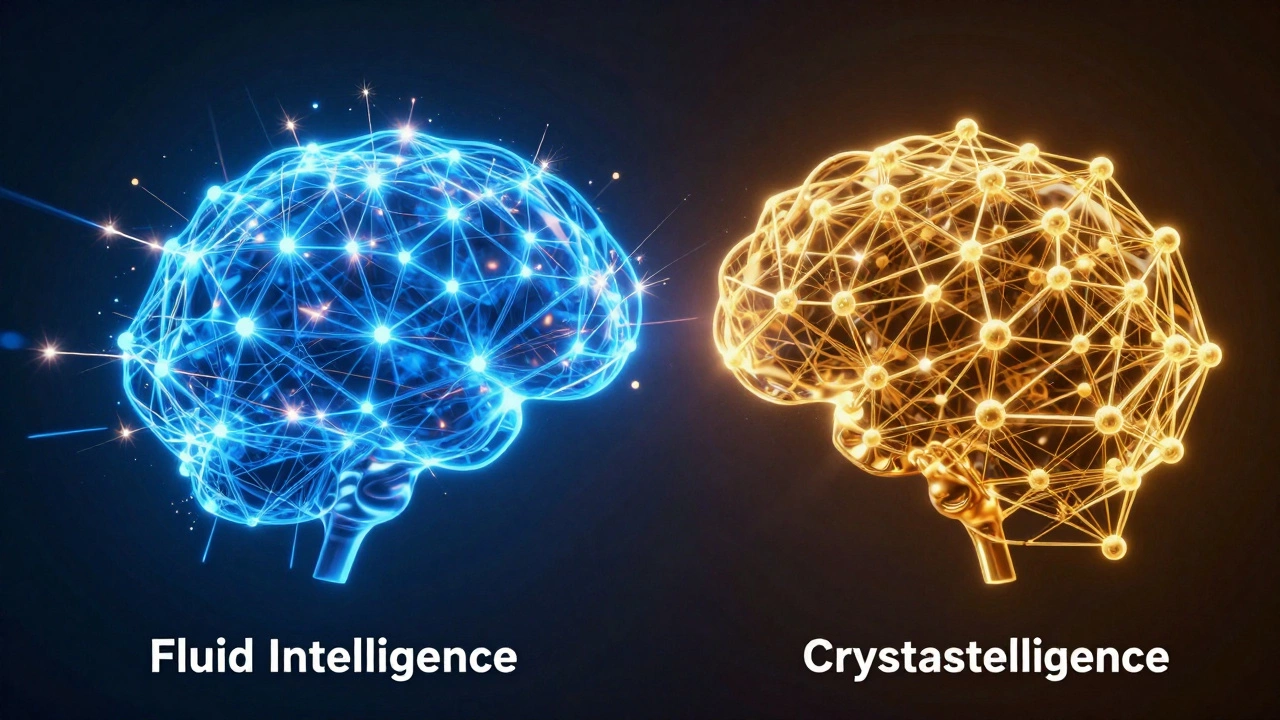
To understand why learning feels different as we age, we need to look at how psychologists classify intelligence. It isn't just one thing. There are two main buckets: fluid intelligence and crystallized intelligence. Knowing which one you are relying on explains a lot about the frustration (or success) you might feel when starting something new.
Fluid intelligence is the ability to solve novel problems, use logic in new situations, and identify patterns without relying on past knowledge. This is the mental horsepower used when you first see a complex math equation or try to navigate a city using only landmarks. Fluid intelligence peaks early, usually between ages 20 and 25, and then begins a slow, gradual decline. This is why picking up a brand-new language grammar system or learning coding syntax from scratch can feel harder at 40 than it did at 20. Your brain’s "RAM" for holding temporary, unconnected data is slightly less efficient.
On the flip side, we have Crystallized intelligence, which is the accumulation of knowledge, facts, and skills gained over a lifetime. Unlike fluid intelligence, crystallized intelligence tends to increase or remain stable well into our sixties and even seventies. This is why an older adult might struggle to remember a new phone number (fluid) but can instantly recall historical dates, vocabulary nuances, or professional strategies (crystallized). When adults learn, they are often leveraging this vast library of existing knowledge to scaffold new information.
Neuroplasticity: The Brain That Changes Forever
For decades, scientists believed the brain was "fixed" after childhood. We now know this is false. Neuroplasticity is the brain's ability to reorganize itself by forming new neural connections throughout life. Every time you learn something, whether it's a dance step or a software shortcut, your brain physically changes. Synapses strengthen, and new pathways form.
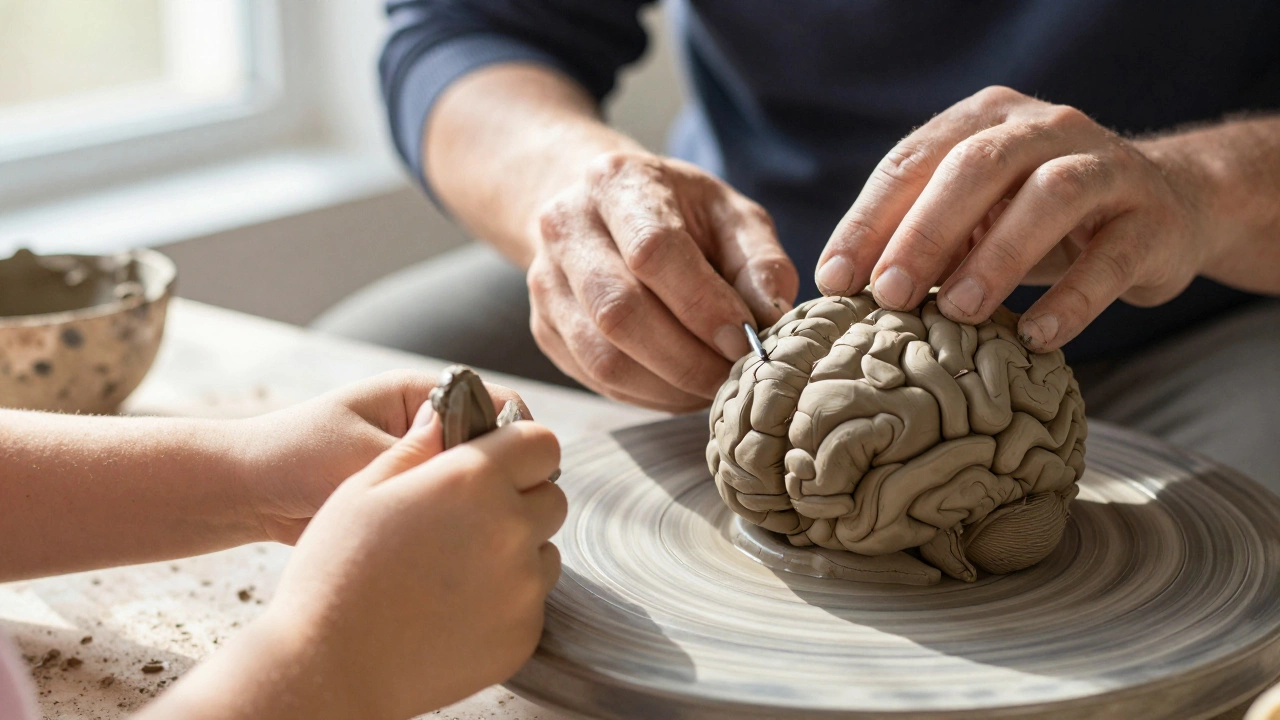
However, the *nature* of this plasticity shifts. In children, the brain is like wet cement-it sets quickly and easily into new shapes. In adults, the brain is more like dried clay. It is harder to mold, requiring more pressure and heat (effort), but once shaped, it holds its form more permanently. This means adult learning requires more intentional effort, but the results are often more robust because they are tied to conscious intent and existing frameworks.
A landmark study published in Nature Human Behaviour tracked brain development across the lifespan. They found that while the volume of gray matter decreases with age, the density of white matter-the wiring that connects different brain regions-continues to improve. This suggests that older brains become better at integrating information across different areas, leading to more holistic understanding rather than isolated fact retention.
The "Savings Effect": Why Adults Have a Hidden Advantage
If you think learning gets harder with age, you are ignoring the "savings effect." This concept suggests that learning never truly disappears; it just goes dormant. If you learned French in high school and forgot most of it, picking it up again at 35 will be significantly faster than learning it for the first time. Even if you don't consciously remember the vocabulary, your brain retains the structural framework for how the language works.
This applies to skills too. A person who played piano as a child will regain muscle memory much faster than a beginner. For adults, this means that diverse life experiences act as hooks. When you learn a new business strategy, you aren't just memorizing steps; you are connecting them to past failures, successes, and observations. This contextual linking makes the new information stickier and easier to retrieve later.
When Does It Actually Get Harder? The Cognitive Cliff
So, when does the difficulty spike? Research points to specific windows where certain cognitive functions decline more noticeably.
- Processing Speed: Begins to slow in the late 20s. You might find yourself taking longer to read complex instructions or react to fast-paced video games.
- Working Memory: The ability to hold multiple pieces of information in mind simultaneously peaks in the 20s and declines gradually. This affects tasks like mental arithmetic or following multi-step directions without writing them down.
- Episodic Memory: Remembering specific events (what you had for breakfast three days ago) tends to weaken in the 50s and 60s.
However, these declines are not uniform. A study from Stanford University showed that while younger adults were faster at learning new motor skills, older adults eventually caught up and sometimes surpassed them in accuracy and efficiency. The key difference was the time required. Adults need more repetition and slower pacing to achieve the same level of mastery, but they do reach it.
Barriers Beyond Biology: Time, Energy, and Identity
Often, what we perceive as "getting harder to learn" is actually a logistical or psychological barrier, not a biological one. Let's be honest: trying to learn guitar at 9 PM after a full day of work and parenting is objectively harder than studying during college hours. This is the "cognitive load" problem.
Cognitive load refers to the amount of working memory resources used during learning. Adults carry a heavy background load: bills, relationships, health concerns, and job pressures. This leaves less mental bandwidth for new learning. It’s not that your brain can’t do it; it’s that your brain is busy managing other things.
Then there is the issue of identity. Children are sponges because they have no ego invested in being "good" or "bad" at something. An adult might resist learning public speaking because they identify as "shy" or "introverted." Unlearning old self-concepts is often the hardest part of adult education. Overcoming the fear of looking foolish is a major hurdle that has nothing to do with neural capacity.
How to Learn Smarter After 30: Practical Strategies
If you want to master a new skill later in life, you cannot rely on brute force memorization. You need to hack your learning process to align with how an adult brain works.
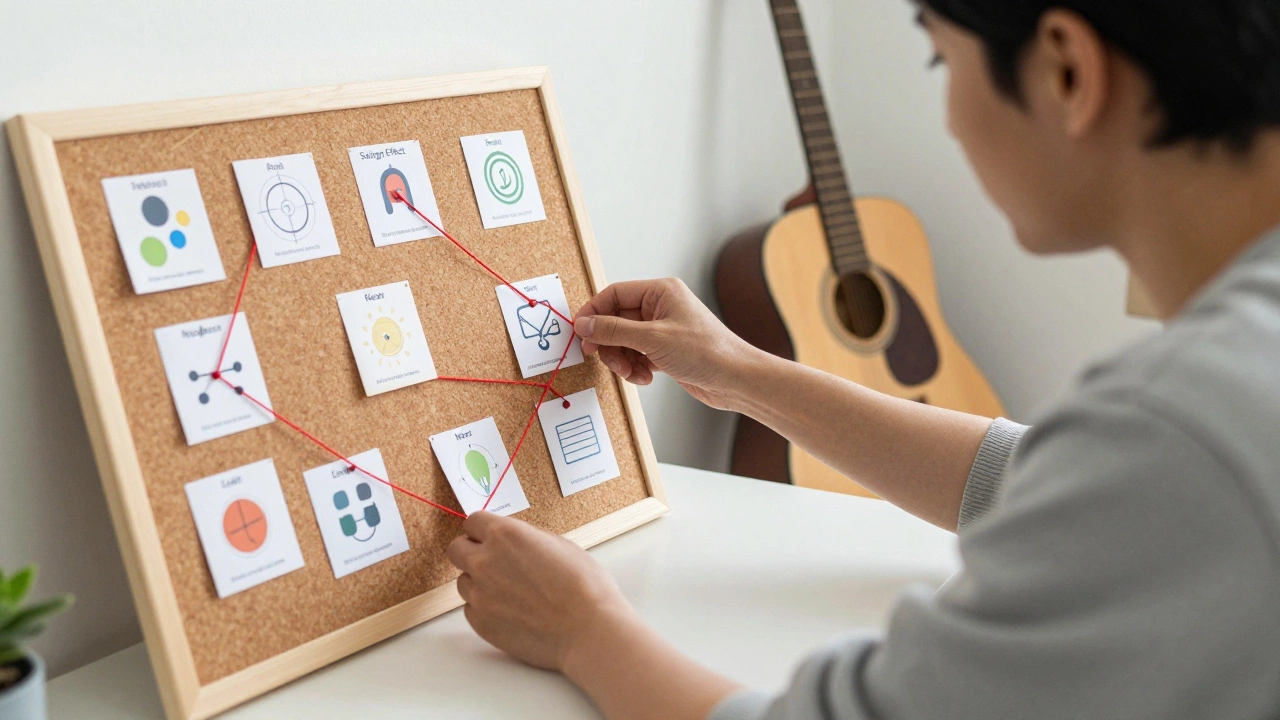
- Leverage Analogies: Connect new information to what you already know. If you are learning Python programming, compare variables to labeled boxes you already use in your office. This uses crystallized intelligence to support fluid tasks.
- Spaced Repetition: Instead of cramming, review material at increasing intervals. This combats the natural decline in episodic memory by reinforcing neural pathways before they fade.
- Focus on Concepts, Not Facts: Adults excel at understanding the "why." Dive deep into the underlying principles of a subject. Once you grasp the core logic, the details become easier to infer or look up.
- Sleep and Exercise: These are non-negotiable. Sleep is when memory consolidation happens. Aerobic exercise increases blood flow to the hippocampus, the brain region responsible for memory formation. You cannot out-train poor sleep habits.
- Accept Slower Progress: Give yourself grace. It may take twice as long to reach fluency in a language, but the foundation will be stronger. Consistency beats intensity.
Comparison: Young vs. Adult Learners
| Feature | Young Learners (Under 25) | Adult Learners (Over 30) |
|---|---|---|
| Primary Strength | Fast processing, rapid absorption | Contextual understanding, pattern recognition |
| Memory Type | Rote memorization | Associative and conceptual memory |
| Motivation | External (grades, parents) | Internal (career, passion, curiosity) |
| Time Availability | High (structured schedule) | Low (fragmented, competing priorities) |
| Error Tolerance | High (no ego investment) | Low (fear of judgment/failure) |
| Learning Pace | Fast start, plateaus early | Slow start, steady long-term growth |
Frequently Asked Questions
Is it too late to learn a new language after 30?
No, it is not too late. While you may not achieve native-like accent pronunciation as easily as a child, adults often surpass children in grammar accuracy and vocabulary size because they can use logical rules and analogies. Many polyglots start their second or third languages in their 30s, 40s, or even 50s and achieve high proficiency.
Does the brain stop growing after a certain age?
The brain does not stop changing. Neurogenesis (the creation of new neurons) occurs primarily in the hippocampus throughout life, although at a slower rate. More importantly, synaptic plasticity-the strengthening and weakening of connections between existing neurons-continues indefinitely. Your brain physically remodels itself based on your activities.
Why is it harder to memorize facts as I get older?
This is due to the decline in fluid intelligence and working memory capacity. Rote memorization relies heavily on these systems. To compensate, adults should focus on understanding the meaning behind facts and using mnemonic devices or storytelling techniques to anchor information to existing knowledge networks.
Can lifestyle changes improve learning ability in older adults?
Yes, significantly. Regular aerobic exercise has been shown to increase the size of the hippocampus. A diet rich in omega-3 fatty acids, antioxidants, and low in processed sugars supports brain health. Adequate sleep is critical for memory consolidation. Managing stress through mindfulness or meditation also preserves cognitive resources for learning.
What is the best way to overcome the fear of looking stupid when learning something new?
Reframe failure as data collection. In a growth mindset, mistakes are not indicators of inability but necessary steps in the learning process. Remind yourself that every expert was once a beginner. Joining a community of fellow learners can also normalize the struggle and reduce social anxiety.