
Exam Fuel Score Calculator
Select Your Pre-Exam Meal Components
Select up to 3 items that make up your main meal or snack.
Your Cognitive Fuel Score
You’re sitting in the exam hall. The clock is ticking. You reach for your pen, but suddenly your mind goes blank. It’s not that you didn’t study; it’s that your brain has run out of fuel. This happens more often than we like to admit, and usually, it comes down to what you ate (or didn’t eat) before walking through those doors.
We often treat our brains like magic machines that just need sleep and coffee to function. But the truth is, your brain is a biological organ with specific nutritional needs. When you are under stress-like during an exam-your body demands steady energy, not sugar spikes. Choosing the right brain food isn't about eating exotic superfoods; it's about timing and balance. Let’s look at exactly what fuels concentration and how to avoid the common dietary traps that kill performance.
The Science of Steady Energy
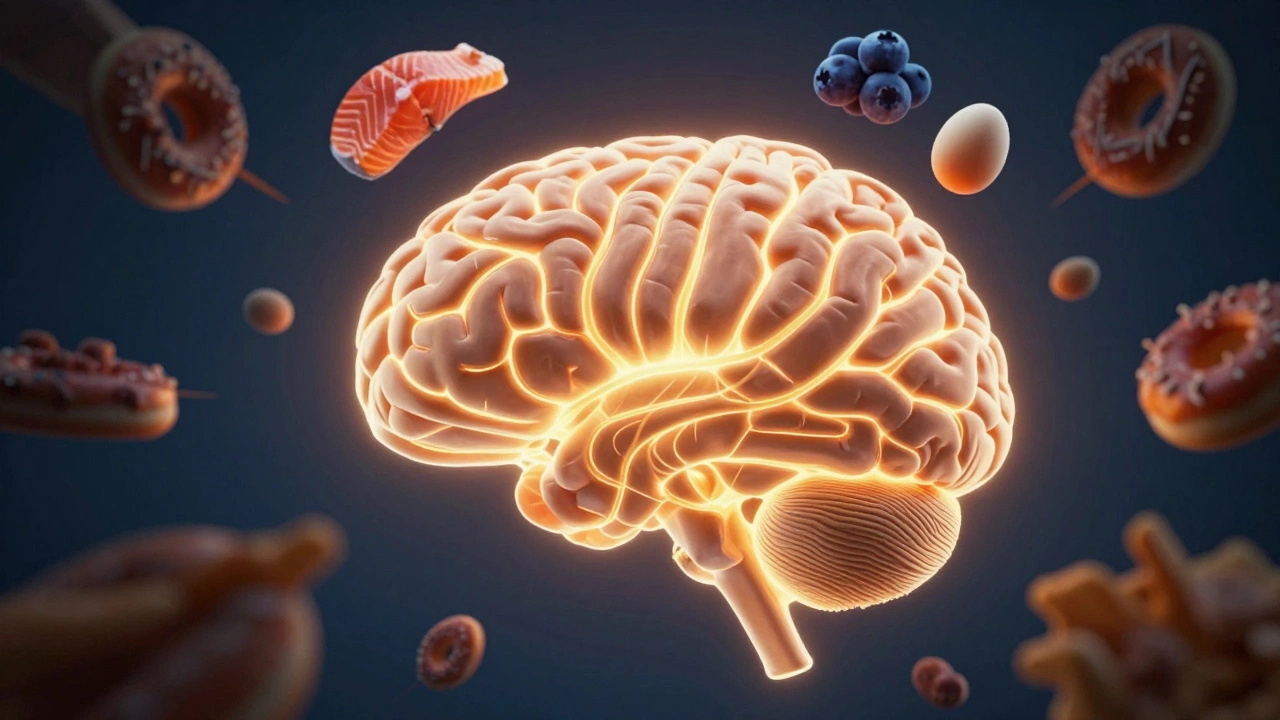
Your brain consumes about 20% of your daily calories, even though it makes up only 2% of your body weight. It runs primarily on glucose. However, it doesn’t want a flood of glucose all at once; it wants a slow, steady drip. When you eat simple sugars-like a donut, a candy bar, or even a sugary energy drink-your blood sugar spikes rapidly. Your pancreas releases insulin to manage this, causing your blood sugar to crash shortly after. That crash is what feels like "brain fog." You feel tired, irritable, and unable to focus.
To keep your cognitive functions sharp, you need complex carbohydrates paired with protein and healthy fats. This combination slows down digestion, ensuring that glucose enters your bloodstream gradually. Think of it as burning a log rather than a piece of paper. The log burns longer and provides consistent heat. For an exam, you want that consistent mental heat for two or three hours straight.
Top Foods for Memory and Recall
Certain nutrients directly support neurotransmitter production and blood flow to the brain. Here are the most effective options backed by nutritional science:
- Fatty Fish Rich in Omega-3 fatty acids, particularly DHA, which builds brain and nerve cells. Salmon, mackerel, and sardines are top choices. These fats improve memory and help reduce inflammation.
- Blueberries Packed with antioxidants called flavonoids. Studies suggest these compounds can delay brain aging and improve memory. They also increase blood flow to the brain.
- Nuts and Seeds Walnuts, almonds, and pumpkin seeds provide Vitamin E, magnesium, and healthy fats. Vitamin E protects cell membranes from free radical damage, keeping neurons firing efficiently.
- Eggs The yolks contain choline, a precursor to acetylcholine, a neurotransmitter that helps regulate mood and memory. Choline is essential for learning and retaining new information.
- Dark Chocolate Choose chocolate with at least 70% cocoa. It contains flavonoids, caffeine, and antioxidants that enhance attention and speed up reaction times without the jitteriness of pure caffeine pills.
Hydration: The Silent Performance Killer
Dehydration is perhaps the most overlooked factor in exam performance. Even mild dehydration (losing just 1-2% of body water) can impair concentration, short-term memory, and cause headaches. If you are thirsty, you are already dehydrated.
Water is the best option. Keep a bottle with you during revision sessions and take sips regularly. Avoid drinking large amounts right before the exam starts to prevent bathroom breaks, but ensure you are well-hydrated throughout the morning. Herbal teas can be soothing, but watch out for added sugars. Electrolyte drinks can help if you have been sweating heavily, but they are rarely necessary for a standard indoor exam.
Timing Your Meals for Peak Performance
What you eat matters, but when you eat matters just as much. Digestion takes energy. If you eat a heavy meal right before an exam, your body diverts blood flow to your stomach to aid digestion, leaving your brain slightly deprived. This is why you might feel sleepy after a big lunch.
- The Night Before: Eat a balanced dinner with lean protein, vegetables, and complex carbs (like quinoa or sweet potato). Avoid heavy, greasy foods that might disrupt sleep. Sleep is when your brain consolidates memory, so good nutrition supports good rest.
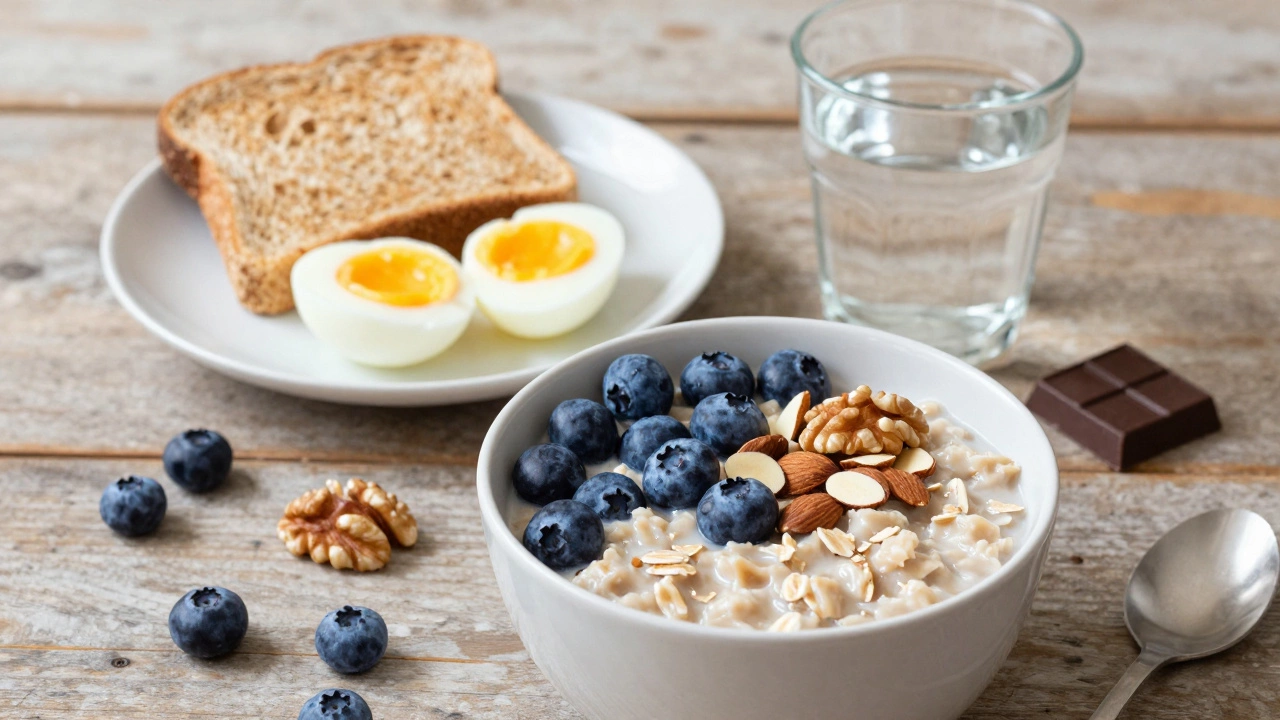
- Morning Of: Aim to finish breakfast 60-90 minutes before the exam. This gives your body time to start digesting without feeling full or hungry during the test. A classic combo: oatmeal with berries and nuts, or whole-grain toast with eggs.
- During the Break (if applicable): If your exam is long and includes a break, bring a small snack. A handful of almonds or a piece of dark chocolate can reset your focus levels without causing a crash.
Foods to Avoid Before an Exam
Avoiding the wrong foods is just as important as eating the right ones. Here are the biggest pitfalls:
| Food Item | Why It Hurts Performance |
|---|---|
| Sugary Cereals & Pastries | Causes rapid blood sugar spike followed by a crash, leading to fatigue and poor concentration. |
| Heavy Fried Foods | Takes too long to digest, diverting blood flow from the brain and causing lethargy. |
| Excessive Caffeine | More than 400mg (about 4 cups of coffee) can cause anxiety, jitters, and increased heart rate, mimicking panic symptoms. |
| High-Sodium Snacks | Chips and pretzels can lead to dehydration and bloating, distracting you from the task at hand. |
| New Foods | Never try a new supplement or exotic food before an exam. Stick to what your body knows to avoid digestive issues. |
The Role of Supplements
You might see ads for "smart drugs" or nootropics promising instant genius. The reality is far less exciting. Most over-the-counter supplements lack robust clinical evidence for immediate cognitive enhancement in healthy individuals. Vitamins like B-complex and Vitamin D are important for overall brain health, but taking them on the day of an exam won’t magically improve your grades.
If you have a diagnosed deficiency, consult a doctor. Otherwise, real food works better. Whole foods provide a matrix of nutrients that work synergistically, something isolated pills rarely replicate. Save your money for a nice dinner after the exams are done.
Practical Tips for Exam Day Nutrition
Preparation is key. Don’t leave your food choices to chance on the morning of the exam. Here is a quick checklist to ensure you are fueled correctly:
- Pack a Backup Snack: Bring a granola bar (low sugar), a banana, or a packet of nuts in your bag. Hunger pangs can distract you more than difficult questions.
- Stick to Routine: Try to eat similar meals during your revision period. Your body adapts to routines, reducing the risk of unexpected digestive discomfort.
- Listen to Your Body: Everyone reacts differently to caffeine. If coffee makes you anxious, switch to tea or water. If dairy causes bloating, skip the milk in your cereal.
- Chew Slowly: Eating quickly can lead to swallowing air and indigestion. Take five minutes to eat your pre-exam snack calmly.
Remember, nutrition is one part of a larger puzzle. It supports your sleep, your stress management, and your study habits. By treating your body with respect and giving it the right fuel, you remove one potential obstacle between you and your best performance. Now, go grab some water and maybe a few walnuts-you’ve got this.
Is coffee good before an exam?
Coffee can help with alertness due to caffeine, but moderation is key. One cup is usually fine for most people. However, excessive caffeine can cause jitters, anxiety, and a subsequent energy crash. If you are sensitive to caffeine, stick to half a cup or switch to green tea, which provides a smoother energy boost due to L-theanine.
What should I eat if I have no appetite before an exam?
Nervousness often kills appetite. Force yourself to eat something small and easy to digest. A banana, a smoothie, or a few crackers with peanut butter are good options. Skipping food entirely will likely lead to low blood sugar and difficulty concentrating later.
Can chocolate really help me concentrate?
Yes, but only dark chocolate with high cocoa content (70% or higher). It contains flavonoids that improve blood flow to the brain and small amounts of caffeine. Milk chocolate is mostly sugar and fat, which can cause an energy crash. A square or two is enough to get the benefit without the sugar spike.
How much water should I drink before an exam?
Aim for about 500ml of water in the morning before the exam. Sip slowly rather than gulping. Being hydrated helps maintain cognitive function and prevents headaches. Avoid drinking large quantities right before entering the exam room to minimize the need for bathroom breaks.
Are there any specific vitamins that boost memory instantly?
No vitamin provides an instant memory boost. Vitamins like B12, D, and Omega-3s support long-term brain health. Taking them on the day of the exam will not change your performance. Consistent intake over weeks and months is what matters. Focus on getting these nutrients from whole foods instead.