Category: Special Needs Education - Page 2

Special Needs in Education: What Does It Really Mean?
What does 'special needs' actually mean in education? This article makes sense of the label, clears up common myths, and dives into how schools adapt for different learners. Get clear examples of the kinds of challenges students face and practical tips for supporting them. Perfect for anyone who wants to understand inclusive education better—whether you’re a parent, teacher, or just curious.

Most Common Special Educational Needs: What Parents and Teachers Should Know
This article breaks down the most common special educational needs in schools. It uses real-life tips and facts to help parents, teachers, and caregivers spot and support children who learn differently. You'll get clear explanations of each need and spot easy signs to look out for. Simple advice will help anyone who wants to make classrooms and homes more inclusive. No jargon—just the stuff that matters.
Can a Child Grow Out of Special Ed? Answers You Won’t Find in the Brochures
Parents often wonder if their child will always need special education or if it’s possible to move into a regular classroom. This article unpacks how some kids do leave special ed while others continue to need support, and what’s actually influencing that journey. It covers what goes on behind the decision-making, common turning points, and stories from real families. You’ll also find tips for helping your child thrive, no matter where they are on their path.
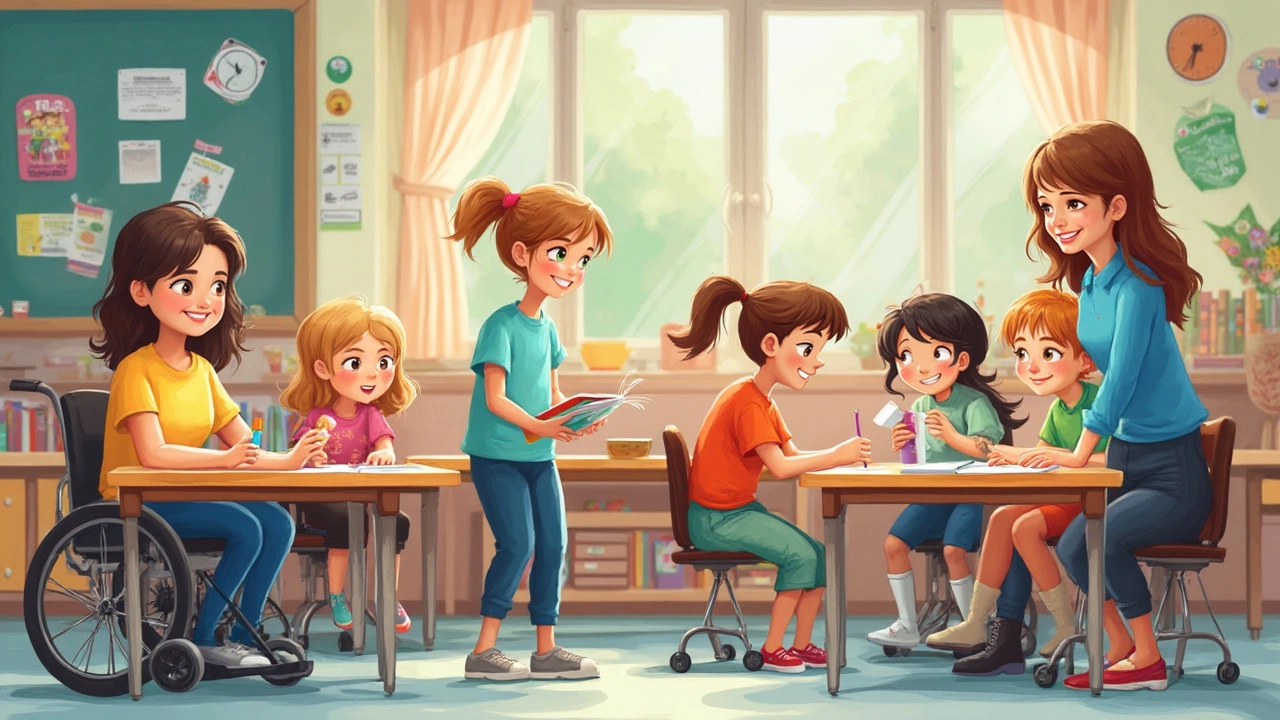
Understanding the Four Major Types of Special Needs in Children
The article explores the four major types of special needs children face, offering insights into physical, developmental, behavioral/emotional, and sensory impairments. Each type has unique challenges and requires specific approaches in education and care. Through understanding and awareness, we can create better opportunities and support systems for these children to thrive. Practical tips and relatable insights make the article not only informative but also a helpful guide for caregivers and educators.
Understanding Awareness in Special Education
Children in special education often perceive their differences through their environment, impacting their self-awareness. This article explores whether special ed kids know they are special, the factors influencing their awareness, and how educators and parents can support them. Discover strategies that foster positive self-identity and inclusion. The goal is to ensure that these children feel confident and understood.
Understanding the Special Needs Status of Individuals with Autism
This article addresses whether individuals with autism are considered to have special needs. It explores the diverse spectrum of autism and its implications for education and social support. The article provides insights into personalized teaching methods and support systems designed to aid autistic individuals. Additionally, it discusses the societal understanding and accommodations necessary to foster an inclusive environment for those with autism.
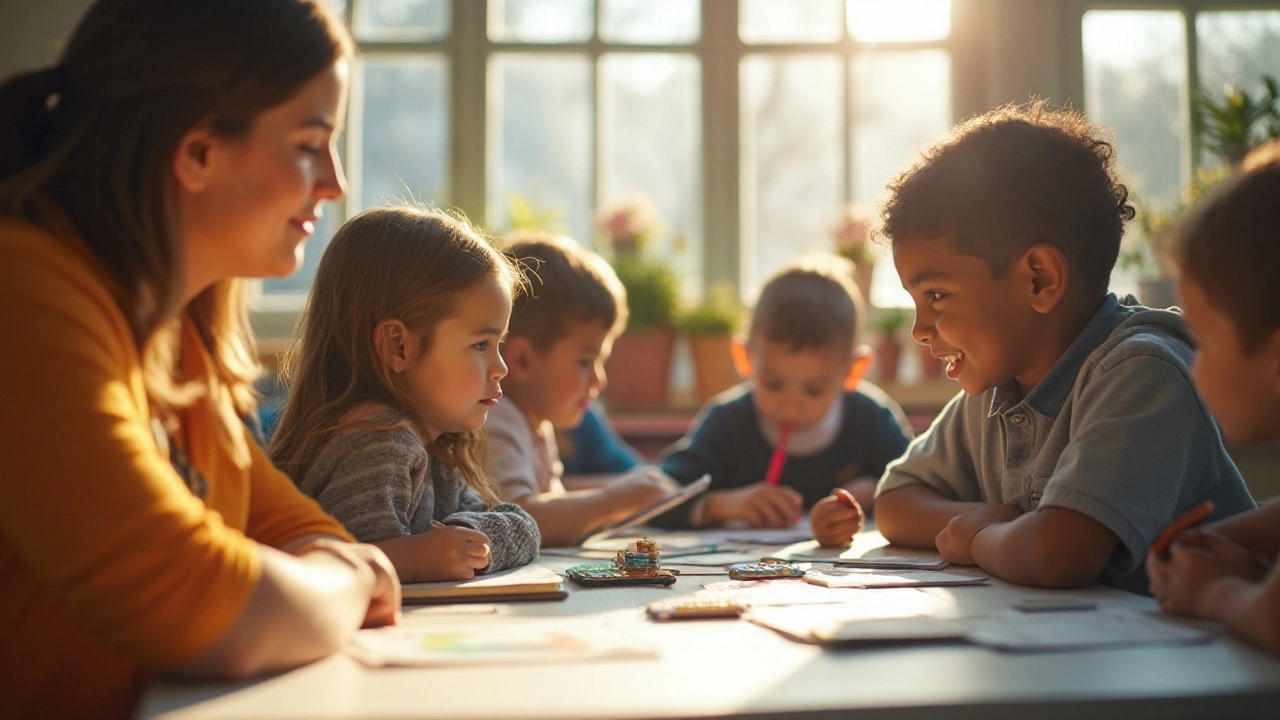
Understanding Common Learning Disabilities and Their Associated Conditions
Learning disabilities can significantly impact an individual's educational journey. This article highlights three common conditions associated with learning disabilities: dyslexia, ADHD, and dyscalculia. Each condition has unique characteristics and challenges that affect learning and comprehension differently. We will explore interesting facts about these conditions and provide practical tips for educators and parents to support individuals with learning disabilities.
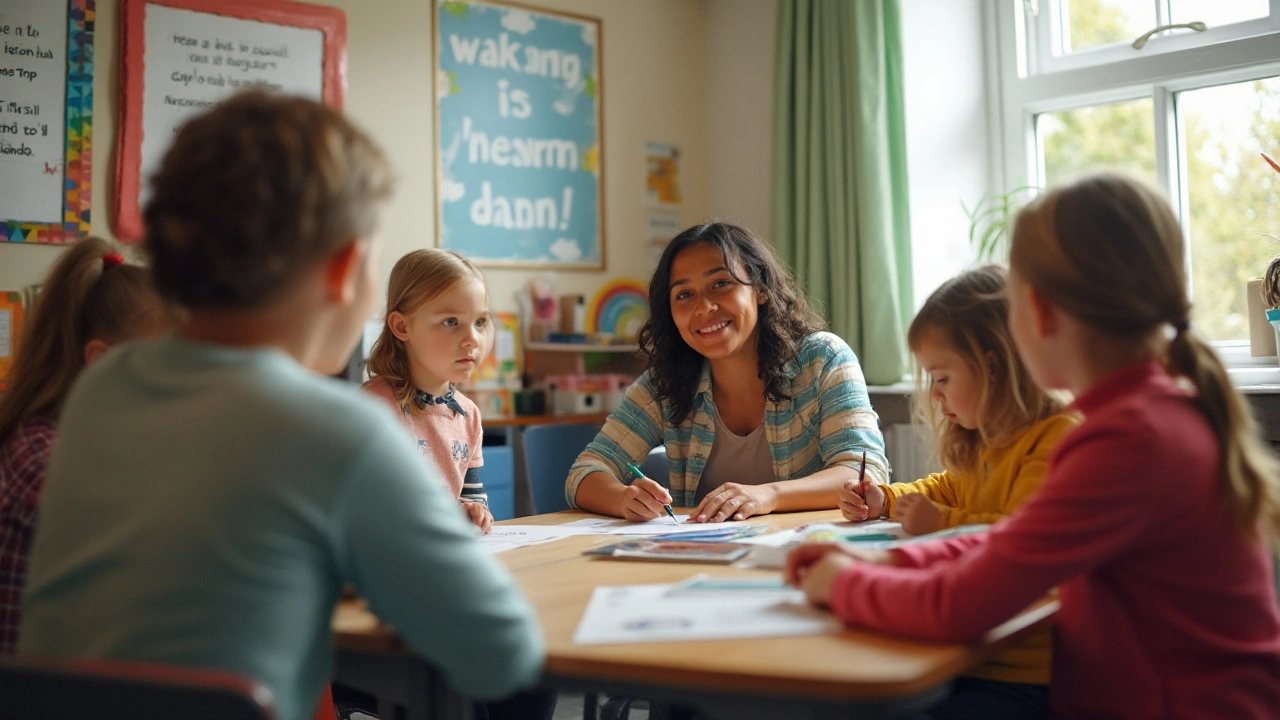
Understanding the Language of Special Needs Education for Children
Navigating the terminology around special needs education can be challenging for both educators and parents. It explores the importance of person-first language, the nuances of different terms, and the evolving nature of special needs vocabularies. This article aims to provide clarity and respect, ensuring that language reflects the dignity of all children. By understanding the preferred terms, one can contribute to a more inclusive environment for children with special needs.