Learning Path Suitability Calculator
Complete the form to see which learning path suits you best based on the article's insights.
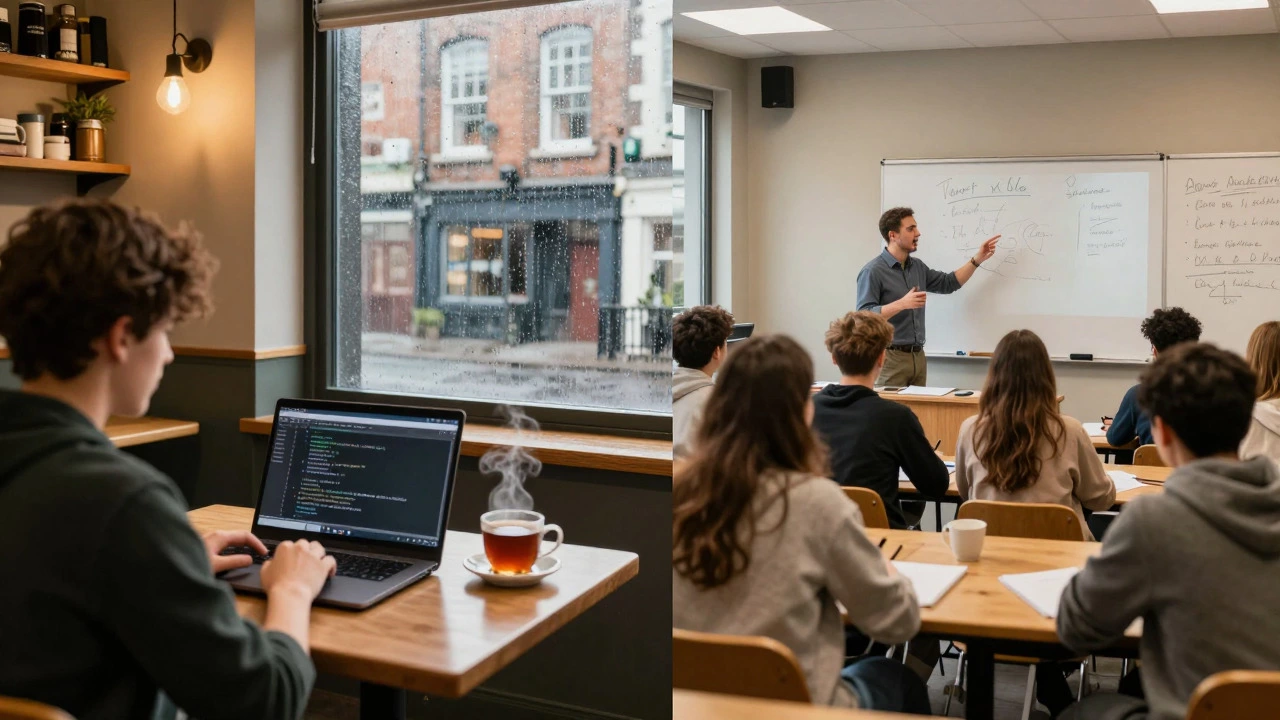
Imagine this: You are sitting in a quiet coffee shop in Dublin, laptop open, ready to tackle a complex module on data science. Or picture yourself in a bustling university lecture hall, surrounded by peers, with a professor pacing the stage. Both scenarios represent valid paths to knowledge, but which one actually works better for you? The debate between distance learning and traditional classroom education is no longer about which model is objectively superior. It is about fit. In 2026, the gap between these two worlds has narrowed significantly, thanks to better technology and shifting workplace expectations. However, the core differences remain stark.
Choosing the right path affects your retention rates, your social network, and your financial stability. Let’s break down the reality of both options so you can make a decision that aligns with your life, not just a trend.
The Reality of Distance Learning in 2026
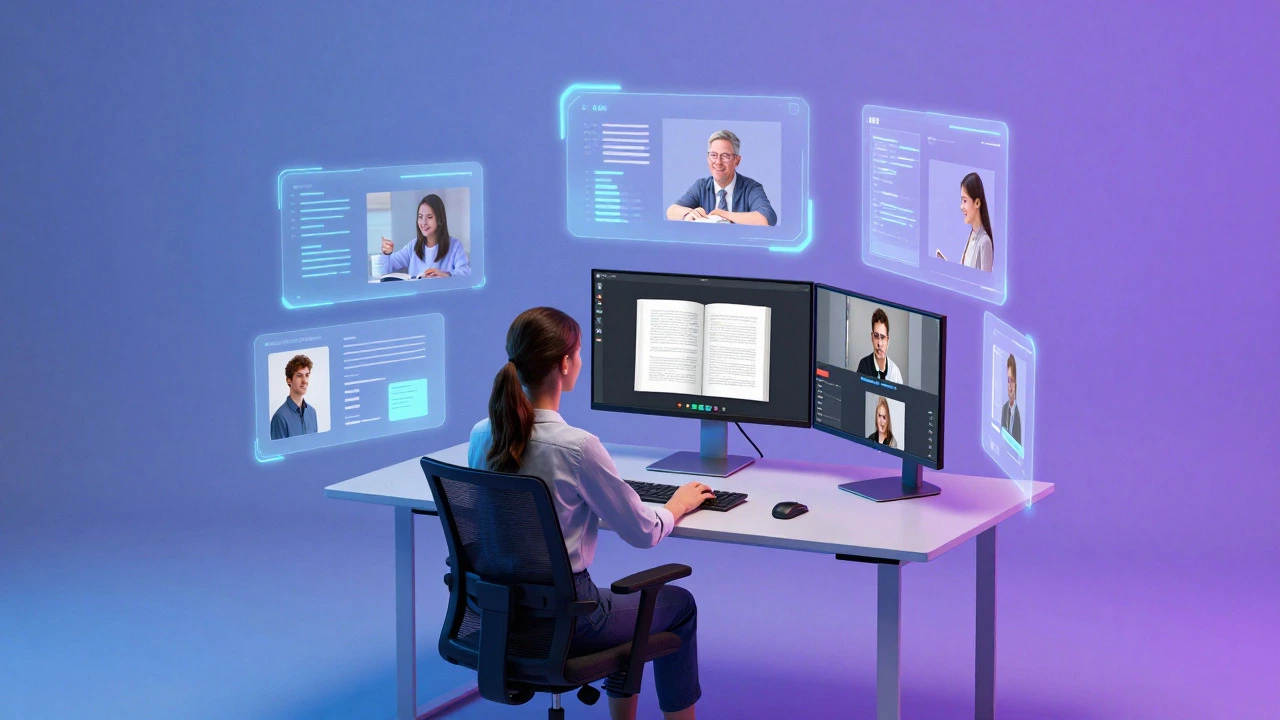
The biggest advantage here is flexibility. If you are working full-time, raising children, or managing other responsibilities, distance learning allows you to structure your day around your commitments rather than forcing your life into a rigid timetable. You can watch a recorded lecture at 10 PM if that is when your brain is sharpest. This autonomy fosters self-discipline, a skill highly valued in modern remote-first workplaces.
However, there is a catch. Distance learning requires intense self-motivation. Without the external pressure of a teacher watching over your shoulder or peers judging your silence, it is easy to procrastinate. Studies consistently show that dropout rates in fully online programs are higher than in face-to-face settings. This is not because the material is harder, but because the barrier to entry for daily engagement is lower. You have to actively choose to show up every single day.
Financially, distance learning often wins. You save on commuting costs, campus housing, and sometimes even tuition fees. Institutions like the Open University in the UK or various Massive Open Online Courses (MOOCs) offer accredited degrees at a fraction of the cost of traditional universities. For someone in Ireland looking to upskill without taking on massive student debt, this is a compelling option.
The Enduring Value of Classroom Education
Traditional classroom education provides something screens struggle to replicate: immediate, nuanced human interaction. When you ask a question in a physical room, you read the professor’s body language. You see if they hesitate, smile, or look confused. These non-verbal cues add depth to understanding. Furthermore, the spontaneous discussions that happen before and after class-often called "hallway learning"-are where many deep connections and collaborative ideas are born.
For subjects requiring hands-on practice, such as medicine, engineering labs, or performing arts, the classroom (or lab/studio) environment is irreplaceable. You cannot simulate the tactile feedback of surgery or the acoustics of a concert hall perfectly through a screen yet. Even in theoretical subjects, the structured routine of attending classes helps regulate sleep patterns and social rhythms, which contributes to mental well-being.
Socially, the classroom is a networking hub. Your classmates become colleagues, friends, and future business partners. The shared experience of struggling through an exam week creates bonds that virtual breakout rooms rarely achieve. For introverts, this might seem daunting, but for those who thrive on collaboration, the energy of a physical group is unmatched.
Key Comparison: What Matters Most?
| Factor | Distance Learning | Classroom Education |
|---|---|---|
| Flexibility | High: Study anytime, anywhere | Low: Fixed schedules and locations |
| Cost | Generally lower (no commute/housing) | Higher (tuition + living expenses) |
| Social Interaction | Limited, mostly digital | Rich, face-to-face networking |
| Self-Discipline Required | Very High | Moderate (external structure provided) |
| Hands-On Experience | Limited (simulations only) | Direct access to labs/equipment |
| Pace of Learning | Self-paced or asynchronous | Instructor-led pace |
The Rise of Hybrid Models
Perhaps the best answer isn't one or the other, but a blend. Hybrid learning combines the flexibility of online modules with the social and practical benefits of occasional in-person sessions. Many universities now offer "flipped classrooms," where you watch lectures online and use class time for discussion and problem-solving. This model maximizes efficiency. You consume information at your own speed and then apply it in a supportive, interactive environment.
If you are considering a degree, look for programs that offer this balance. It mitigates the isolation of distance learning while reducing the rigidity of full-time attendance. For employers, hybrid graduates often demonstrate both technical proficiency (from navigating digital tools) and interpersonal skills (from team projects).
How to Choose the Right Path for You
Your choice should depend on your personal circumstances and learning style. Ask yourself these questions:
- Are you a self-starter? If you struggle to meet deadlines without reminders, distance learning might lead to stress and failure. Classroom structures provide the accountability you need.
- What is your budget? If finances are tight, distance learning offers significant savings. Calculate not just tuition, but also transport, meals, and potential lost wages from reduced work hours.
- Do you learn by doing? If your field requires physical practice, prioritize programs with strong lab or studio components. Check if their virtual alternatives are robust enough.
- How important is networking? If your career relies heavily on who you know, the face-to-face connections made in a classroom can be invaluable. However, remember that professional networks can also be built online through LinkedIn and industry forums.
Common Pitfalls to Avoid
Whichever path you choose, awareness of common traps will help you succeed. In distance learning, the biggest pitfall is isolation. Combat this by joining online study groups, participating in forum discussions, and scheduling regular video calls with peers. Treat your home office like a real workplace: set boundaries, dress appropriately, and take breaks.
In classroom settings, the risk is passive learning. Sitting in the back row and nodding along does not equal understanding. Engage actively. Ask questions, participate in debates, and form study groups. Don’t let the comfort of the crowd lull you into complacency.
Finally, verify accreditation. Whether online or offline, ensure your institution is recognized by relevant bodies. In Ireland, check with QQI (Quality and Qualifications Ireland). An unaccredited degree holds little value in the job market, regardless of how convenient it was to obtain.
Is distance learning respected by employers in 2026?
Yes, absolutely. The stigma around online degrees has largely disappeared. Employers now value the self-discipline and digital literacy required to complete distance learning programs. As long as the institution is accredited, the mode of delivery matters less than the skills you demonstrate.
Which is better for introverts: online or classroom?
Many introverts prefer distance learning because it reduces social anxiety and allows for deeper, written communication. However, some find the lack of casual interaction isolating. If you choose online, seek out small-group collaborations to maintain necessary social skills without overwhelming yourself.
Can I switch from distance learning to classroom later?
In most cases, yes. Many universities allow credit transfers between their online and on-campus programs. However, policies vary, so check with the admissions office before switching to ensure your previous coursework counts toward your new degree.
Does distance learning cost less than traditional university?
Usually, yes. While tuition fees can be similar, you save significantly on accommodation, commuting, and campus-related expenses. Some online-only institutions also charge lower tuition rates due to reduced overhead costs.
How do I stay motivated during distance learning?
Create a dedicated study space, stick to a consistent schedule, and set clear weekly goals. Join online communities related to your course to build accountability. Break large tasks into smaller, manageable chunks to avoid feeling overwhelmed.