
Pre-Exam Brain Optimization Calculator
Calculate your readiness score based on science-backed strategies for sleep, nutrition, movement, and stress management.
Your Brain Readiness Score
Personalized Recommendations:
You’ve crammed the notes. You’ve highlighted the textbooks. But when you sit down at that desk, your mind goes blank. It’s a terrifying feeling, and it happens to the best of us. The problem isn’t usually what you know; it’s how your brain is functioning in that specific moment. Boosting your brain before an exam isn’t about magic pills or last-minute miracles. It’s about optimizing your biology so your existing knowledge can flow out onto the page.
We often treat our brains like computers-just plug them in and run the program. But your brain is a biological organ. It runs on glucose, oxygen, sleep, and neurotransmitters. If you starve it of these essentials, no amount of revision will save you. This guide breaks down exactly how to tune up your mental hardware in the 24 hours leading up to the test.
The Non-Negotiable Foundation: Sleep Hygiene
If you do nothing else from this list, fix your sleep. There is a persistent myth among students that pulling an all-nighter is a valid strategy. It is not. In fact, it is actively harmful to your performance. During deep sleep, specifically the slow-wave phase, your brain consolidates memories. It takes the information you studied during the day and moves it from short-term storage (the hippocampus) to long-term storage (the cortex). Without this transfer, the information remains fragile and easily lost under stress.
| Cognitive Domain | Effect of 1 Night of Poor Sleep | Recovery Time |
|---|---|---|
| Focus & Attention | Decreases by up to 30% | 2-3 nights of good sleep |
| Memory Recall | Significant impairment in retrieval speed | Immediate upon waking well-rested |
| Emotional Regulation | Increased anxiety and irritability | Variable, depends on baseline stress |
Aim for seven to nine hours of quality rest. If you’re worried about dreaming too much and losing time, remember that REM sleep (Rapid Eye Movement) is crucial for creative problem-solving and connecting disparate ideas. Don’t sacrifice it. Keep your room cool, dark, and quiet. Avoid screens for at least an hour before bed because blue light suppresses melatonin, the hormone that signals your body it’s time to shut down.
Fuel Your Engine: Nutrition for Neurotransmitters
Your brain consumes about 20% of your daily energy intake, despite being only 2% of your body weight. What you eat directly impacts the production of neurotransmitters like dopamine, serotonin, and acetylcholine, which regulate focus, mood, and memory. The goal isn’t just to avoid hunger; it’s to maintain stable blood sugar levels. Spikes and crashes in glucose lead to brain fog and fatigue.
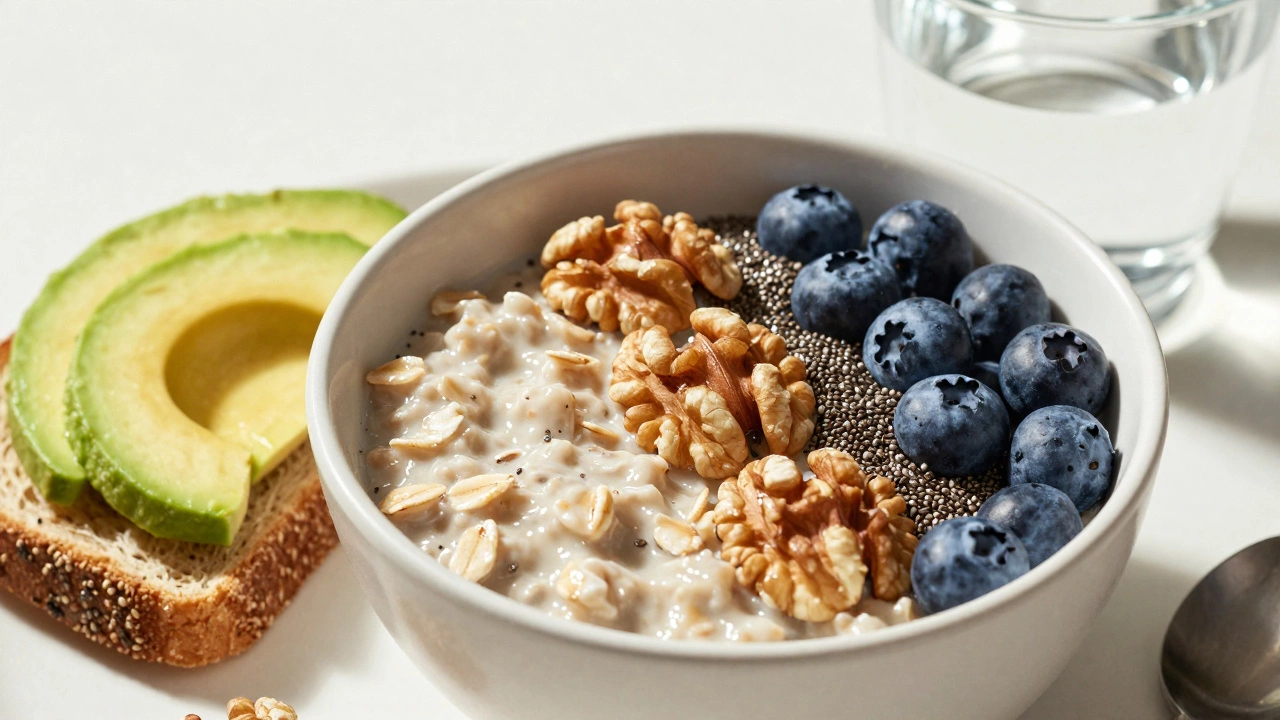
Start with complex carbohydrates. Foods like oatmeal, whole grain toast, or quinoa provide a slow, steady release of energy. Pair these with healthy fats and proteins. Avocado, nuts, seeds, and fatty fish like salmon are rich in Omega-3 fatty acids. These fats are structural components of brain cells and improve communication between neurons. A study published in the American Journal of Clinical Nutrition found that higher Omega-3 intake was associated with better cognitive scores in older adults, but the principle applies to young minds under pressure too.
Hydration is equally critical. Even mild dehydration (1-2% loss of body water) can impair concentration, short-term memory, and psychomotor skills. Drink water consistently throughout the day. Avoid sugary energy drinks. They might give you a ten-minute burst of alertness, followed by a crash that leaves you more tired than before. Stick to water, herbal tea, or black coffee in moderation. Caffeine can help, but timing matters. Stop consuming caffeine at least six hours before bedtime to protect your sleep quality.
Movement as Mental Medicine
It feels counterintuitive. You have an exam tomorrow, and I’m telling you to move your body? Yes. Physical activity increases blood flow to the brain, delivering oxygen and nutrients. More importantly, exercise stimulates the release of Brain-Derived Neurotrophic Factor (BDNF). Think of BDNF as fertilizer for your brain. It promotes the growth of new neurons and strengthens synaptic connections, making it easier to learn and recall information.
You don’t need to run a marathon. A brisk 20-30 minute walk, a light jog, or even some yoga poses can trigger this effect. The key is moderate intensity. High-intensity interval training (HIIT) right before an exam might leave you too fatigued. Aim for something that gets your heart rate up slightly but doesn’t exhaust you. Morning exercise is particularly effective because it boosts cortisol levels naturally, helping you wake up and feel alert without the jitters of excess caffeine.
Mastering Stress: The Cortisol Connection
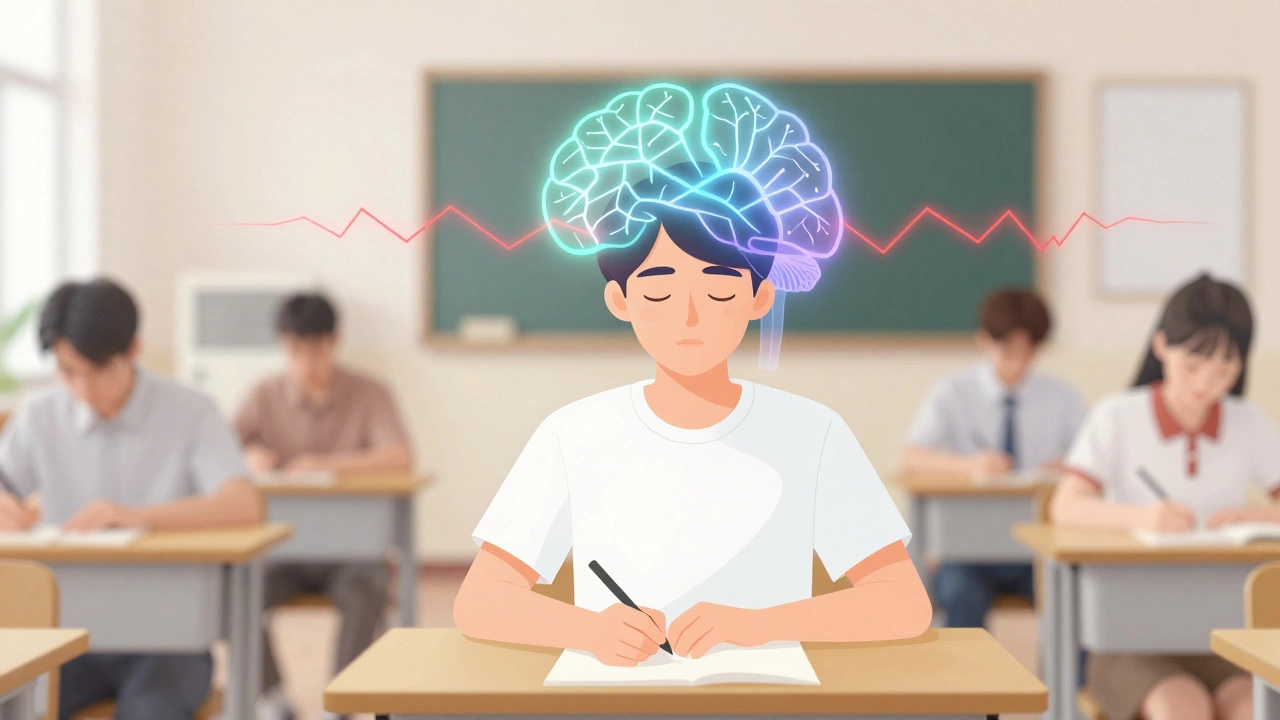
Stress is inevitable before an exam. A little bit of stress can actually be helpful-it sharpens focus and mobilizes energy. This is the "fight or flight" response working in your favor. However, chronic or excessive stress floods your system with cortisol. High levels of cortisol inhibit the hippocampus, literally shrinking its ability to retrieve memories. That’s why you go blank when you’re panicked.
To manage this, practice active relaxation techniques. Deep breathing exercises, such as box breathing (inhale for 4 seconds, hold for 4, exhale for 4, hold for 4), activate the parasympathetic nervous system. This tells your body to calm down, lowering your heart rate and reducing anxiety. Visualization is another powerful tool. Spend five minutes imagining yourself walking into the exam hall calmly, reading the questions clearly, and recalling the answers with ease. This primes your neural pathways for success.
Avoid catastrophizing. Instead of thinking, "I’m going to fail," reframe it to, "I am prepared, and I will do my best." Positive self-talk reduces the emotional load on your brain, freeing up cognitive resources for the actual task at hand.
Strategic Review: Active Recall Over Passive Reading
In the final 24 hours, stop passively rereading your notes. It gives you a false sense of competence because the material looks familiar. Instead, use active recall. Test yourself. Close the book and try to write down everything you remember about a topic. Then check your notes to see what you missed. This struggle to retrieve information strengthens the memory trace.
Use the Feynman Technique. Try to explain a complex concept in simple terms, as if you were teaching it to a child. If you get stuck or use jargon to hide gaps in your understanding, you’ve identified a weak spot. Go back and review that specific area. Focus on high-yield topics-concepts that are likely to appear on the exam or form the foundation for other questions. Don’t try to learn everything new; reinforce what you already know.
The Day Of: Logistics and Mindset
Reduce friction on exam day. Lay out your clothes, pack your bag, and prepare your breakfast the night before. Every small decision you have to make drains your cognitive battery. Use this saved energy for the exam itself. Bring necessary supplies: pens, pencils, a watch, a calculator if allowed, and a bottle of water.
Arrive early. Rushing to the venue spikes adrenaline and anxiety. Give yourself time to settle in. When you get the exam paper, take a deep breath. Scan the questions first. Start with the ones you know best. This builds confidence and momentum. If you get stuck on a question, skip it and come back later. Getting hung up on one problem wastes time and increases stress.
What to Avoid: Common Pitfalls
- All-nighters: As mentioned, sleep deprivation destroys memory consolidation and cognitive function.
- New Information: Don’t try to learn entirely new concepts the night before. It creates confusion and anxiety. Stick to reviewing known material.
- Sugar Crashes: Avoid candy, soda, or pastries for breakfast. They cause rapid blood sugar spikes and subsequent crashes, leading to mid-exam fatigue.
- Isolation: While solo study is important, complete isolation can increase anxiety. A brief chat with a supportive friend or family member can provide perspective and calm.
- Over-Caffeination: Too much coffee leads to jitteriness, increased heart rate, and difficulty concentrating. Stick to one cup if you’re sensitive.
Final Thoughts
Boosting your brain before an exam is about working with your biology, not against it. Prioritize sleep, fuel your body with nutrient-dense foods, move your body to stimulate neuroplasticity, and manage stress through mindfulness and positive reframing. These strategies don’t replace studying-they enhance it. By optimizing your physical and mental state, you ensure that the hard work you’ve put in over weeks or months can shine through when it counts.
Remember, an exam is just one measure of your knowledge. It doesn’t define your intelligence or your worth. Trust your preparation, trust your process, and walk into that room ready to perform.
Can supplements really help boost brain power before an exam?
While some supplements like Omega-3s, Vitamin D, and B-complex vitamins support overall brain health, there is no evidence that they provide an immediate cognitive boost for exams. Most "smart drugs" or nootropics lack robust scientific backing for short-term academic performance and may have side effects. It is safer and more effective to focus on whole foods, hydration, and sleep. Always consult a healthcare provider before starting any new supplement regimen.
How much sleep is enough before an exam?
Most teenagers and adults need between 7 and 9 hours of quality sleep. Consistency is key. Try to go to bed and wake up at roughly the same time as you would on a normal school day to keep your circadian rhythm aligned. If you are severely sleep-deprived, a 20-minute power nap earlier in the day can help, but avoid napping late in the afternoon as it may interfere with nighttime sleep.
Is it okay to study the night before the exam?
Light review is beneficial, but heavy cramming is not. Spend the evening doing active recall on key concepts and formulas. Stop studying at least an hour before bed to allow your brain to wind down. The goal is to consolidate what you already know, not to learn new material. If you find yourself getting frustrated or anxious, stop and switch to a relaxing activity like reading fiction or listening to music.
What should I eat for breakfast on exam day?
Choose a balanced meal with complex carbohydrates, protein, and healthy fats. Examples include oatmeal with nuts and berries, whole-grain toast with avocado and eggs, or Greek yogurt with granola. Avoid high-sugar foods like donuts or sugary cereals, which cause energy crashes. Stay hydrated by drinking a glass of water with your meal.
How can I calm my nerves if I panic during the exam?
If you feel panic rising, pause. Put your pen down and take three deep, slow breaths. Focus on the sensation of air entering and leaving your lungs. Remind yourself that you are prepared. Look around the room and ground yourself in the present moment. Then, scan the exam for a question you can answer easily to rebuild your confidence and momentum.