Mature Learner Strategy Planner
Discover the best way to start your next learning journey. Answer three quick questions to get a tailored plan.
Based on your inputs, here is how to approach your new skill effectively after 60.
Why This Works For You
You might think your brain has hit its expiration date. Maybe you’ve heard that once you pass sixty, new skills are like trying to teach an old dog new tricks-hard work with little reward. But here is the truth: your brain is not a battery that runs out; it’s more like a muscle that needs different training. Learning after 60 isn’t just possible; it is one of the most effective ways to keep your mind sharp, your mood bright, and your world wide open.
The science backs this up. Neuroplasticity-the brain's ability to reorganize itself by forming new neural connections-doesn't stop at retirement age. In fact, engaging in lifelong learning is linked to a reduced risk of dementia and better cognitive resilience. If you’re wondering how to start, what to learn, or how to make it stick without feeling overwhelmed, you’re in the right place. This guide breaks down exactly how to approach education when you’ve got decades of experience behind you but maybe less patience for rote memorization.
Why Your Brain Still Wants to Learn
Let’s bust the biggest myth first: older adults don’t learn slower because they are "broken." They process information differently. Younger brains are great at raw speed and absorbing unrelated facts quickly. Older brains excel at pattern recognition, connecting new info to existing knowledge, and understanding context. You have a massive library of experiences to draw from. When you learn something new, you aren’t starting from zero; you are adding a new book to a well-stocked library.
This advantage means you can grasp complex concepts faster if they relate to things you already know. For example, if you spent thirty years managing people, learning about organizational psychology will click much faster than it would for a twenty-year-old student who has never held a team meeting. Leverage this. Don’t try to compete with young students on memorizing random dates or vocabulary lists. Focus on meaning, connection, and application.
Choosing What to Learn (And Why It Matters)
One of the biggest hurdles for learners over 60 is decision paralysis. There are so many options! Should you learn Spanish? Coding? Watercolor painting? History? The key is to choose based on two criteria: joy and utility. If you hate the subject, you won’t stick with it. If it has no practical use or emotional payoff, motivation will fade.
Consider these categories for inspiration:
- Cognitive Challenges: New languages, chess, or musical instruments. These require active engagement and have been shown to build cognitive reserve.
- Tech Literacy: Smartphone photography, video editing, or basic coding. These keep you connected to family and independent in daily tasks.
- Creative Outlets: Writing, pottery, or gardening botany. These provide tangible results and reduce stress.
- Professional Refresh: Consulting skills, public speaking, or financial planning. Useful if you want to stay relevant in a part-time role or volunteer capacity.
A common mistake is picking something too abstract. Instead of "learning history," pick "the history of Irish folklore" or "the WWII era in Europe." Specificity creates focus. Vague goals lead to vague efforts.
Adapting Study Methods for an Older Mind
Your study habits need an upgrade. The cramming sessions you used in school probably won’t work now. Your attention span might be shorter, but your depth of focus can be deeper when interested. Here is how to adapt:
1. Short, Frequent Sessions: Instead of studying for three hours on Saturday, do 20 minutes every day. Consistency beats intensity. Spaced repetition-reviewing material at increasing intervals-is highly effective for long-term retention. Use apps like Anki or simple flashcards to review yesterday’s lesson today, then again in three days, then a week later.
2. Multisensory Learning: Engage multiple senses. If you are learning a language, speak it aloud, write it down, and listen to it. If you are learning a craft, watch a video, read the manual, and then physically handle the tools. This creates multiple pathways in the brain for recall.
3. Teach It Back: The best way to know if you understand something is to explain it to someone else. Tell your spouse, your friend, or even talk to yourself while walking the dog. If you can’t explain it simply, you don’t understand it well enough yet. This is known as the Feynman Technique, and it works wonders for seniors because it turns passive consumption into active processing.
4. Rest is Part of Work: Sleep is when your brain consolidates memories. Never sacrifice sleep for study time. A tired brain learns poorly. Prioritize rest days. Overtraining leads to burnout, especially when you are juggling other life responsibilities.
Overcoming Emotional Barriers
Fear is the biggest enemy of the learner over 60. Fear of looking foolish. Fear of technology. Fear of failure. Many adults feel self-conscious returning to a classroom or online forum alongside younger peers. Remember this: everyone starts somewhere. No one expects you to be perfect. In fact, most instructors respect the dedication it takes to return to learning later in life.
Imposter syndrome hits hard. You might think, "I’m too old for this." Replace that thought with, "I am experienced enough to appreciate this." Confidence comes from competence, and competence comes from practice. Start small. Master one module before moving to the next. Celebrate tiny wins. Finished a chapter? Good. Sent an email attachment correctly? Great. Acknowledge progress.
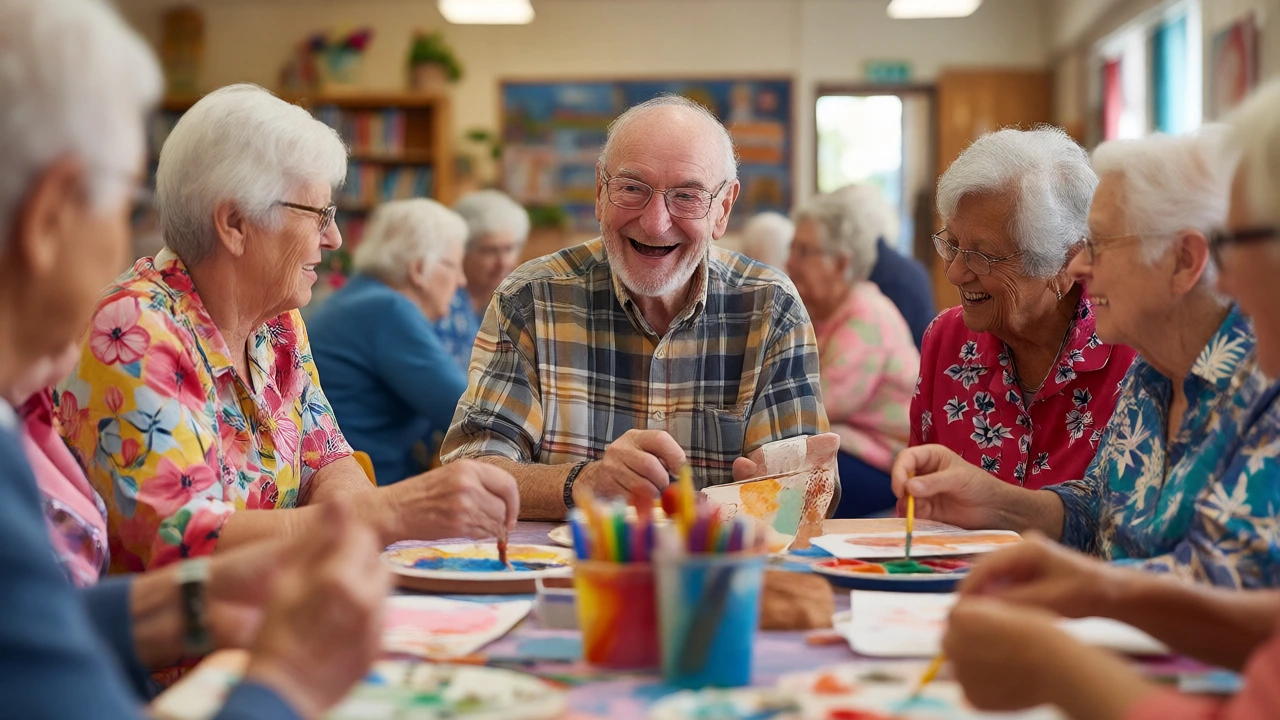
Social isolation can also be a barrier. Learning is often solitary, but it doesn’t have to be. Join local groups. Libraries in Dublin and across Ireland often host free workshops for seniors. Online communities exist for almost every hobby. Connecting with others who share your interest provides accountability and fun.
Tools and Resources That Actually Help
You don’t need expensive software. You need accessible tools. Here is a breakdown of resources tailored for mature learners:
| Resource Type | Best For | Cost | Ease of Use |
|---|---|---|---|
| Coursera | University-level courses, certificates | Free to audit; paid for certificates | Moderate (requires self-discipline) |
| Khan Academy | Math, science, basic tech skills | Completely Free | High (simple interface) |
| Local Community Colleges | Hands-on skills, social interaction | Varies (often subsidized for seniors) | High (in-person support) |
| Duolingo | Language basics, gamified learning | Free (with ads); Premium available | Very High (app-based) |
| Public Libraries | Books, audiobooks, free workshops | Free | High (staff assistance available) |
If you struggle with technology, don’t fight it. Ask a grandchild or a local volunteer to help set up your devices. Once the initial setup is done, navigating platforms becomes easier. Many websites now offer "senior-friendly" modes with larger text and simplified navigation. Look for those features.
Health Factors That Impact Learning
Your physical health directly affects your mental performance. Vision and hearing changes can make reading or listening difficult. If you find yourself losing focus during lectures, check your hearing aids or glasses. Uncorrected sensory deficits mimic cognitive decline. Get regular check-ups.
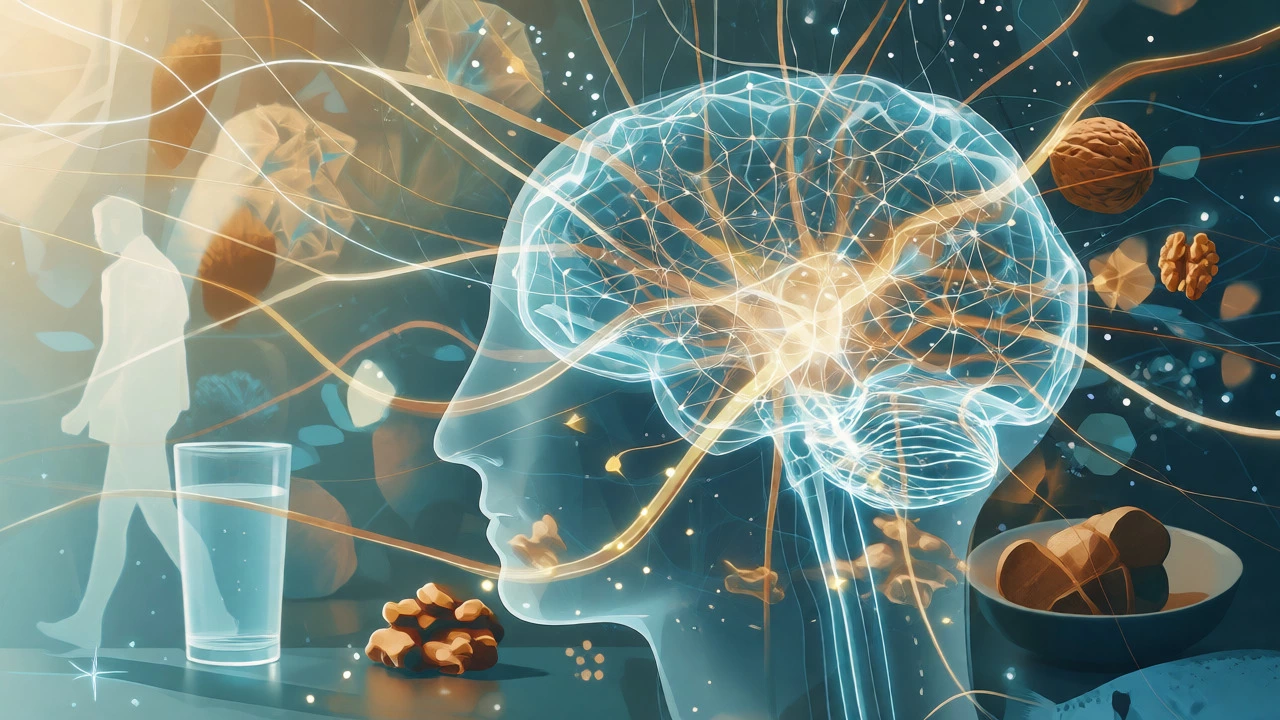
Physical activity boosts blood flow to the brain. Even a brisk 20-minute walk before a study session can improve concentration. Diet matters too. Omega-3 fatty acids found in fish, walnuts, and flaxseeds support brain health. Hydration is critical; dehydration causes brain fog. Keep a water bottle nearby while you study.
Medications can sometimes affect memory or alertness. Talk to your doctor if you notice sudden changes in your ability to concentrate. Sometimes adjusting a dosage or timing can make a huge difference in your learning efficiency.
Building a Sustainable Routine
Consistency is king. Create a dedicated space for learning. It doesn’t need to be a home office. A specific chair with good light and minimal distractions works fine. Train your brain to associate that spot with focus.
Schedule your learning time like a medical appointment. Put it in your calendar. Tell your family, "From 10 AM to 10:30 AM, I am studying." Protect that time. If you miss a day, don’t quit. Just restart the next day. Guilt is a productivity killer. Be kind to yourself.
Track your progress visually. Use a paper calendar and mark an 'X' for each day you study. Seeing the chain of X’s grow motivates you to keep going. This method, popularized by Jerry Seinfeld, works because it makes progress tangible.
Is it really true that my brain slows down after 60?
Yes and no. Processing speed for new, unrelated information may slow slightly, but your ability to synthesize information, recognize patterns, and apply wisdom improves significantly. You trade speed for depth and accuracy.
What is the best subject for a beginner over 60?
There is no single "best" subject. Choose something that solves a current problem in your life or brings you genuine joy. Technology skills like smartphone usage are practical. Languages or music are excellent for cognitive health. Pick what excites you, not what you think you "should" learn.
How much time should I spend learning each day?
Start with 15-20 minutes per day. It is better to study consistently for short periods than to binge-study once a week. As your stamina builds, you can extend sessions to 45 minutes. Listen to your body; if you feel fatigued, stop.
Can learning help prevent dementia?
Research suggests that lifelong learning contributes to "cognitive reserve," which can delay the onset of symptoms in dementia. While it doesn't guarantee prevention, keeping your brain active is one of the most recommended strategies for maintaining mental health in older age.
I feel embarrassed being the oldest in the class. How do I cope?
Shift your mindset. You are not there to compete; you are there to explore. Most classmates will respect your life experience. Often, older learners bring valuable perspective to discussions. If anxiety persists, look for classes specifically designed for seniors or online forums where you can participate at your own pace.