
Online Schooling Transition Checklist
Click on each step below to reveal specific action items. Check off tasks as you complete them to track your readiness for the switch.
Legal & Eligibility
Check accreditation and notify authorities.
Learning Style
Assess your child's needs and habits.
Home Classroom
Set up space, tech, and ergonomics.
Routine & Schedule
Create structure and breaks.
Socialization
Plan mental health and social activities.
Financials
Budget for costs and grants.
Select a Step Above
0/0 CompletedClick on one of the categories above to view the specific checklist items.
✔ You are ready to switch!
You have completed all essential preparatory steps. Your family is well-positioned for a successful transition to online schooling.
Imagine your child logging into class from the kitchen table, wearing pajama bottoms and a blazer top. It sounds like a scene from a sitcom, but for thousands of families in Ireland and beyond, this is the new normal. The shift toward online schooling isn't just a trend; it's a viable educational path that offers flexibility, personalized pacing, and safety. But if you're standing at the edge of this decision, wondering how to actually make the switch without disrupting your child's academic progress, you are not alone.
Switching from a traditional brick-and-mortar school to an online environment can feel overwhelming. You might worry about socialization, technology gaps, or whether your child will stay motivated. The good news? With the right preparation, the transition can be smoother than you think. This guide breaks down exactly what you need to do, from choosing the right program to setting up a home classroom that works.
Understanding Your Options: Virtual Schools vs. Homeschooling
Before you start packing away textbooks, you need to understand the landscape. "Online schooling" is a broad term that covers two distinct models. Knowing the difference is crucial because it changes your legal responsibilities and daily routine.
Virtual Schools are accredited institutions where teachers deliver lessons remotely. These schools handle grading, attendance, and curriculum. Your child interacts with certified educators and peers through video calls and discussion boards. In Ireland, while fully accredited standalone virtual high schools are less common than in the US, many private colleges and international schools offer hybrid or fully remote options. Examples include programs offered by entities like Coláiste na Rinne or international bodies like the International Baccalaureate (IB) which often have remote facilitation options.
Online Homeschooling, on the other hand, places more responsibility on you. You register as a homeschooler with the Department of Education and Skills (DES) in Ireland. You then purchase an online curriculum-such as Khan Academy, Time4Learning, or UK-based platforms like Oak National Academy-and act as the primary facilitator. This option gives you total control over the schedule and content but requires significant time investment from parents.
| Feature | Virtual School | Online Homeschooling |
|---|---|---|
| Teacher Interaction | Daily live sessions with certified teachers | Limited; mostly pre-recorded or automated |
| Parent Role | Supportive; monitor progress | Active instructor and administrator |
| Socialization | Built-in peer groups and clubs | Requires external coordination (sports, co-ops) |
| Cost | Tuition fees apply (varies widely) | Curriculum costs + potential DES grants |
| Flexibility | Fixed schedule with some async work | Complete control over timing |
Step 1: Check Eligibility and Legal Requirements
In Ireland, education is compulsory between the ages of six and sixteen. If you choose to educate your child at home, you must notify the National Educational Welfare Board (EWB). They will conduct an annual review to ensure your child is receiving a suitable education. This doesn't mean they will inspect your house every day, but you need to have a plan.
If you are opting for a virtual school, check their accreditation. Does the school align with the Irish Leaving Certificate or GCSEs? If your goal is university entry, ensure the online qualifications are recognized by the Higher Education Authority (HEA). For example, a student studying for the IB Diploma online needs to ensure their exam center arrangements are sorted, as practical exams may still require physical presence.
Step 2: Assess Your Child’s Learning Style
Not every child thrives in a digital environment. Before committing, observe your child's current habits. Do they struggle with focus in large classrooms? Or do they get distracted easily by screens?
- The Independent Learner: Thrives with self-paced online modules. They likely prefer reading instructions and working alone. Virtual schools with asynchronous options work well here.
- The Social Butterfly: Needs interaction to stay engaged. Look for programs with mandatory live Zoom classes, group projects, and online clubs. Without this, they may become isolated.
- The Hands-On Learner: Struggles with abstract concepts on a screen. They need a hybrid approach. Consider online theory combined with local science kits, art supplies, or field trips.
Ask your child directly. What do they hate about their current school? Is it bullying? Academic pressure? Lack of interest? Online schooling solves specific problems. If the issue is purely academic boredom, a different curriculum might help. If it's social anxiety, a smaller online cohort could be a relief.
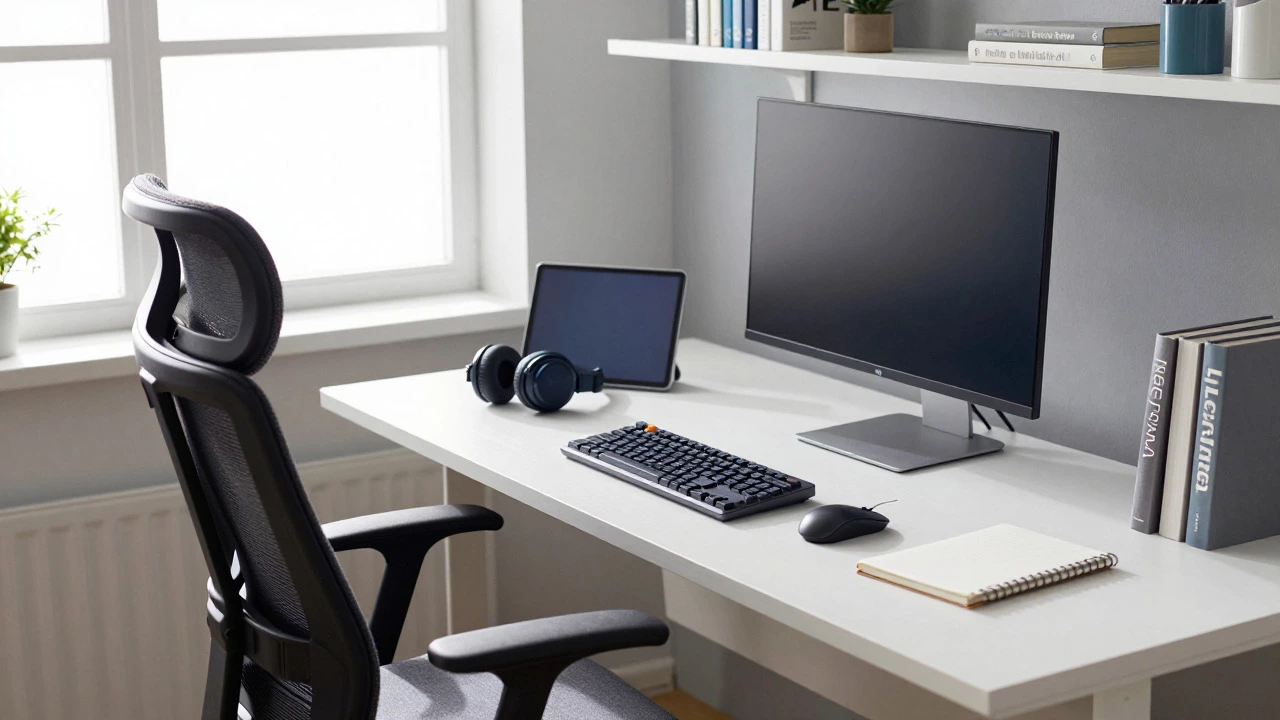
Step 3: Build the Home Classroom
Your living room is not a classroom. To succeed, you need a dedicated space. This isn't about buying expensive furniture; it's about creating boundaries.
Start with ergonomics. A chair that supports the back and a desk at elbow height prevent long-term posture issues. Since children spend hours typing, invest in a mechanical keyboard and a mouse rather than relying solely on a trackpad. Eye strain is real. Use the 20-20-20 rule: every 20 minutes, look at something 20 feet away for 20 seconds. Blue light filters on devices can also help.
Technology setup is non-negotiable. You need reliable high-speed broadband. In rural Ireland, this can be a challenge. Check your connection speed using tools like Speedtest by Ookla. Aim for at least 50 Mbps download and 10 Mbps upload for smooth video conferencing. Have a backup plan, such as a mobile hotspot, for when the internet goes down. Noise-canceling headphones are essential for focusing during live lessons, especially if siblings are present.
Step 4: Establish a Routine and Schedule
One of the biggest pitfalls of online schooling is the lack of structure. Without the bell ringing, days can blur together. Create a visual schedule that mimics a school day but includes necessary breaks.
- Morning Block (9:00 AM - 11:00 AM): Core subjects like Math and Language Arts. Brain power is highest here.
- Mid-Morning Break (11:00 AM - 11:30 AM): Physical activity. Go outside, stretch, or play a sport. Movement boosts cognitive function.
- Afternoon Block (12:30 PM - 2:30 PM): Creative subjects, Science, or History. These often involve projects or research.
- After-School Time (3:00 PM onwards): Extracurriculars, hobbies, and social activities.
Stick to this routine consistently. On weekends, allow for flexibility, but keep wake-up times similar to weekdays to maintain circadian rhythms. Use tools like Google Calendar or Trello to manage assignments. Teach your child to use these tools early; it builds organizational skills valuable for university.
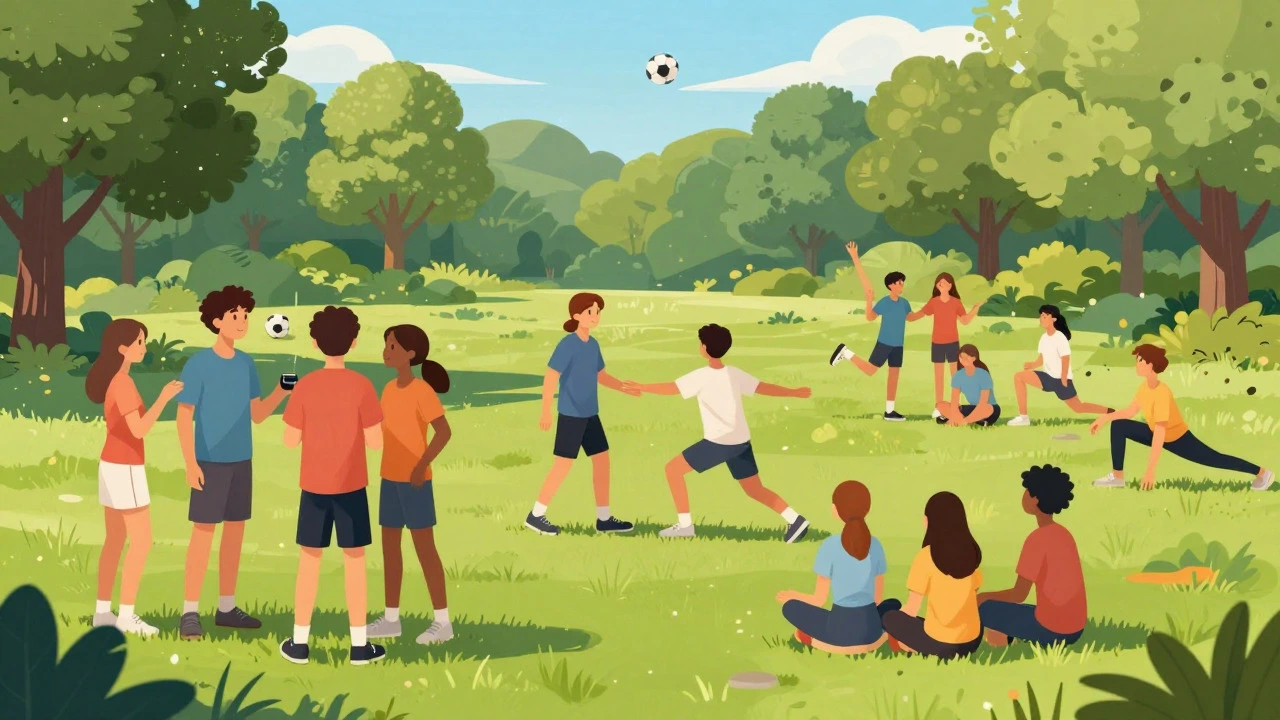
Step 5: Navigate Socialization and Mental Health
The myth that online students are lonely is persistent but outdated. Socialization happens differently. It's intentional rather than incidental. Your job is to facilitate these connections.
Join local homeschooling co-ops. In Dublin, groups like the Irish Homeschoolers Association organize regular meetups, sports leagues, and drama workshops. Encourage your child to join online gaming communities, coding clubs, or language exchange apps. These platforms foster teamwork and communication skills.
Monitor mental health closely. The isolation of screen time can lead to anxiety or depression. Watch for signs of withdrawal. Ensure your child has face-to-face interactions weekly. If your child was bullied in a traditional school, give them time to heal before reintroducing large social groups. Start small with one-on-one playdates.
Common Pitfalls to Avoid
Even with the best plans, challenges arise. Here are three common mistakes and how to fix them.
Over-scheduling: Don't pack the day with back-to-back video calls. Online learning requires more processing time. Allow for "white space" in the schedule for reflection and rest.
Ignoring Tech Support: Assume something will break. Learn basic troubleshooting. Know how to restart routers, update drivers, and clear cache. Keep IT support contacts handy if you're using a paid platform.
Neglecting Soft Skills: Academics are easy to measure; character development is not. Intentionally teach conflict resolution, public speaking, and collaboration. Use group projects in online classes to practice these skills.
Financial Considerations
Switching to online schooling has financial implications. If you withdraw your child from a fee-paying private school, you save tuition. However, you may incur costs for curricula, technology, and extracurriculars. In Ireland, if you homeschool, you may be eligible for a grant from the Department of Education. Check the latest guidelines on the gov.ie website. Budget for annual expenses like software subscriptions (e.g., Microsoft 365, Adobe Creative Cloud) and hardware upgrades every three to four years.
Is online schooling recognized in Ireland?
Yes, provided you follow the regulations set by the Department of Education and Skills. If you homeschool, you must notify the Educational Welfare Officer. If you enroll in a virtual school, ensure it offers qualifications recognized by the Higher Education Authority, such as the Leaving Certificate or IB Diploma.
What age is appropriate for online schooling?
Online schooling can work for any age, but younger children (under 10) require more parental supervision. Older students (teens) benefit from the independence and flexible scheduling. Many families start the transition in secondary school when academic pressures increase.
How do I ensure my child gets enough exercise?
Build physical activity into the daily schedule. Join local sports clubs, dance classes, or hiking groups. Use online fitness apps for structured workouts at home. Aim for at least 60 minutes of moderate-to-vigorous activity daily.
Can my child still take standardized tests online?
Most standardized tests, including the Leaving Certificate and GCSEs, still require physical exam centers. Some virtual schools partner with local centers to facilitate this. Check with your chosen provider for exam logistics.
What if my child struggles with motivation?
Motivation issues are common. Try gamifying learning with apps like Duolingo or Kahoot. Set short-term goals with rewards. Consider hiring a tutor for accountability. Regular check-ins to discuss interests and adjust the curriculum can also reignite engagement.