
Private Tutor Safety Vetting Tool
Use this interactive guide to assess potential tutors. Check off each verified step as you complete it. A higher score indicates a safer, more professional arrangement.
Safety Assessment
You’ve decided your child needs extra help with maths or maybe a bit of push for their upcoming exams. You’re excited about the potential boost in confidence and grades. But then that nagging question hits you: is private tutoring safe? It’s a valid concern. We’re handing over our kids-sometimes literally-to strangers who will be alone with them in our homes or on video calls. The fear isn’t irrational; it’s protective. But does this fear mean we should skip tutoring altogether, or are there ways to make it secure enough to feel comfortable?
The short answer is yes, private tutoring can be incredibly safe. In fact, most families have positive experiences without incident. However, "safe" doesn't happen by accident. It happens through deliberate vetting, clear boundaries, and understanding where the risks actually lie. Whether you are hiring a university student down the road or a professional educator via an online platform, the safety protocols differ slightly but the core principles remain the same.
Understanding the Real Risks
When we talk about safety in tutoring, we aren't just talking about physical harm. That’s the worst-case scenario, sure, but it’s statistically rare. The more common issues are less dramatic but still impactful: poor teaching methods, lack of punctuality, inappropriate communication, or even simple mismatched personalities that waste money and frustrate everyone involved.
Physical safety concerns usually arise when sessions take place in the tutor’s home or when the tutor travels to yours. If you’re using a registered agency, they often handle insurance and basic background checks. Independent tutors, however, might not have any formal vetting. This doesn't mean they are dangerous, but it means the burden of verification falls entirely on you. Online tutoring shifts the risk profile. Physical contact is impossible, which removes certain worries, but introduces digital privacy concerns. Who sees what’s on your screen? Is the connection encrypted? These are modern safety questions that didn't exist twenty years ago.
Vetting Your Tutor: Beyond the CV
A polished CV tells you what a tutor wants you to know. It rarely tells you everything. To ensure safety, you need to dig deeper. Start with references. Not just names and numbers, but actual conversations. Call previous parents. Ask specific questions: Did they show up on time? How did they handle difficult behaviour? Did they maintain professional boundaries? If a tutor hesitates to provide references, treat that as a red flag.
Background checks are crucial, especially if you live in Ireland or the UK. Look for a Garda Disclosure (in Ireland) or a DBS check (in the UK). These certificates verify criminal records. Don’t just ask if they have one; ask to see the certificate itself. Note that these checks have expiration dates and don’t cover minor offences that haven't been reported, so they are a baseline, not a guarantee.
| Vetting Step | Why It Matters | Red Flag |
|---|---|---|
| References | Verifies reliability and teaching style from past clients. | Tutor refuses to provide contact details. |
| Background Check | Confirms no serious criminal history relevant to working with children. | Check is expired or cannot be shown. |
| Qualifications | Ensures competence in the subject matter. | Unable to explain their degree or certification clearly. |
| Insurance | Covers accidents during lessons (especially for in-home visits). | No public liability insurance mentioned. |
Setting Boundaries Before Day One
Safety isn’t just about who the tutor is; it’s about how the relationship is structured. Ambiguity breeds discomfort. Set clear rules before the first lesson begins. Decide where the lessons will take place. For younger children, keeping the door open or having a parent nearby in another room is standard practice. For teenagers, you might allow closed doors, but establish a rule against being alone in bedrooms or bathrooms together.
Communication channels are another boundary. Should the tutor text your child directly, or must all scheduling go through you? Many experts recommend that initial communications stay with the parent, especially for minors. This prevents inappropriate late-night messaging or unauthorized meetups. If you use WhatsApp or email, keep it professional. Avoid sharing personal home addresses immediately if you’re meeting in neutral spaces like libraries or cafes for the first few sessions.

The Specifics of Online Tutoring Safety
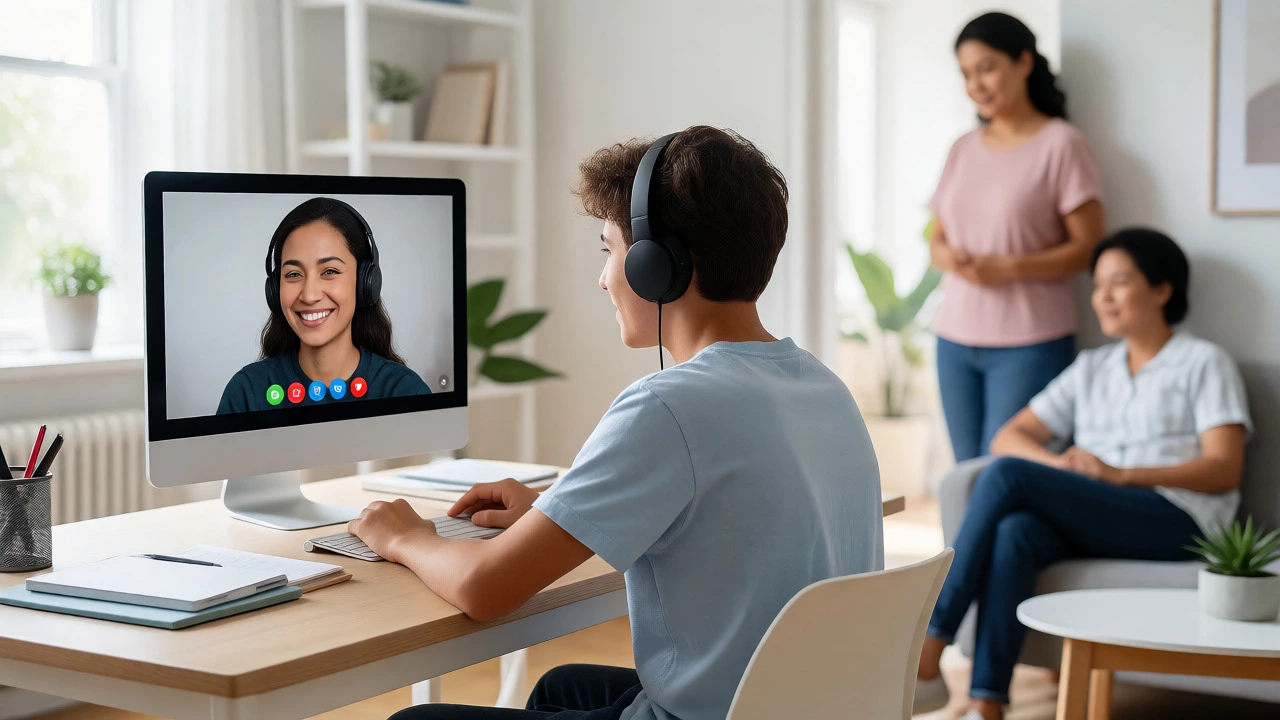
Online Tutoring has exploded in popularity, and for good reason-it’s convenient and offers access to global talent. But it comes with its own set of security protocols. First, choose platforms that offer end-to-end encryption for video calls. Zoom, Microsoft Teams, and specialized education platforms generally meet high security standards, unlike some consumer-grade social media video features.
Screen sharing requires caution. Ensure your child knows how to close tabs containing sensitive information before starting a session. Better yet, have them use a separate user account on their computer for schoolwork. This isolates personal files from the tutor’s view. Also, check the platform’s recording policy. Does the tutor record lessons? If so, where are those recordings stored? Who owns the data? Under GDPR regulations in Europe, you have the right to know how your child’s data is handled.
Trust Your Gut: The Human Element
Data and checks are important, but human intuition is powerful. After the first trial lesson, ask yourself: Did my child seem relaxed? Was the tutor respectful of my child’s pace? Did they listen more than they talked? If something feels off, it probably is. You don’t owe anyone a long-term contract after one bad session. A safe environment allows for easy exit strategies. If you decide to stop, do so politely but firmly. You don’t need to justify your decision with detailed reasons if you prefer not to.
Consider the dynamic between tutor and student. A safe tutor encourages independence rather than dependency. They should challenge your child, not just spoon-feed answers. Watch for signs of emotional manipulation, such as a tutor making your child feel guilty for asking questions or criticizing their intelligence harshly. Positive reinforcement is key to a healthy learning environment.
What to Do If Something Goes Wrong
Even with thorough vetting, issues can arise. Maybe the tutor cancels repeatedly, or perhaps your child seems anxious about the next session. Address small issues early. Have a frank conversation with the tutor. Often, they are unaware of the problem. If the issue persists, trust your instinct and switch tutors. There is no shame in changing providers. Your priority is your child’s well-being and educational progress, not politeness.
If you suspect a more serious safeguarding issue, report it. If you used an agency, notify them immediately. They have a duty of care. If you hired independently, consider reporting to local authorities or safeguarding bodies if necessary. Document everything-dates, times, and descriptions of incidents. This paper trail helps if you need to escalate the situation.
Frequently Asked Questions
Do I need to be present during private tutoring sessions?
For young children (under 10), yes, parental presence is highly recommended, either in the same room or within earshot. For teenagers, it depends on comfort levels and the nature of the subject. Many parents opt for "open door" policies where the parent is nearby but not hovering. As trust builds, you may step back further.
Are online tutoring platforms safer than independent tutors?
Platforms often provide better technical security (encrypted video, chat logs) and sometimes conduct background checks. However, they may have less oversight on individual interactions compared to a direct relationship. Both can be safe if you follow best practices: verify identity, monitor sessions initially, and use secure payment methods.
How much should I pay for a safe, vetted tutor?
Prices vary widely based on location and qualifications. In Dublin, for example, expect to pay €25-€40 per hour for students and €40-€60+ for qualified teachers. Higher rates often correlate with extensive vetting, insurance, and professional training, which contributes to overall safety and reliability.
What if my child doesn't like the tutor?
That’s okay. Compatibility matters. A safe tutor respects feedback and understands that fit is subjective. Don’t force a match. End the engagement politely and seek someone else. A forced relationship can create anxiety, which defeats the purpose of tutoring.
Should I hire a male or female tutor for my daughter?
This is a personal preference. Some parents feel more comfortable with same-gender tutors for adolescent girls, particularly for subjects involving body language or if the child is shy. Others find mixed-gender dynamics beneficial for real-world preparation. Discuss preferences with your child and respect their comfort level.