Online Tutoring Cost & Value Calculator
Compare hourly rates, account for platform commissions, and estimate your real financial impact based on session efficiency.
You just got a quote for online tutoring. It’s $60 an hour. Your neighbor pays $80 for their kid to see a tutor in person. You feel ripped off. Why aren’t you paying less? After all, the tutor didn’t drive twenty minutes. They didn’t sit on your couch. They just logged onto Zoom.
This is the big question hanging over the ed-tech industry: Should online tutoring be cheaper? On paper, it seems like it should. No travel time, no physical space costs, no gas money. But when you dig into what you’re actually buying, the price tag makes a lot more sense than it first appears. Let’s break down why the sticker shock happens and where you can actually find real savings.
The Myth of "Zero Overhead" for Tutors
When people think about why online services are cheap-like streaming movies or downloading music-they assume the provider has almost no costs. For tutors, that assumption is wrong. A tutor isn’t just selling their time; they’re selling a specialized service that requires significant upfront and ongoing investment.
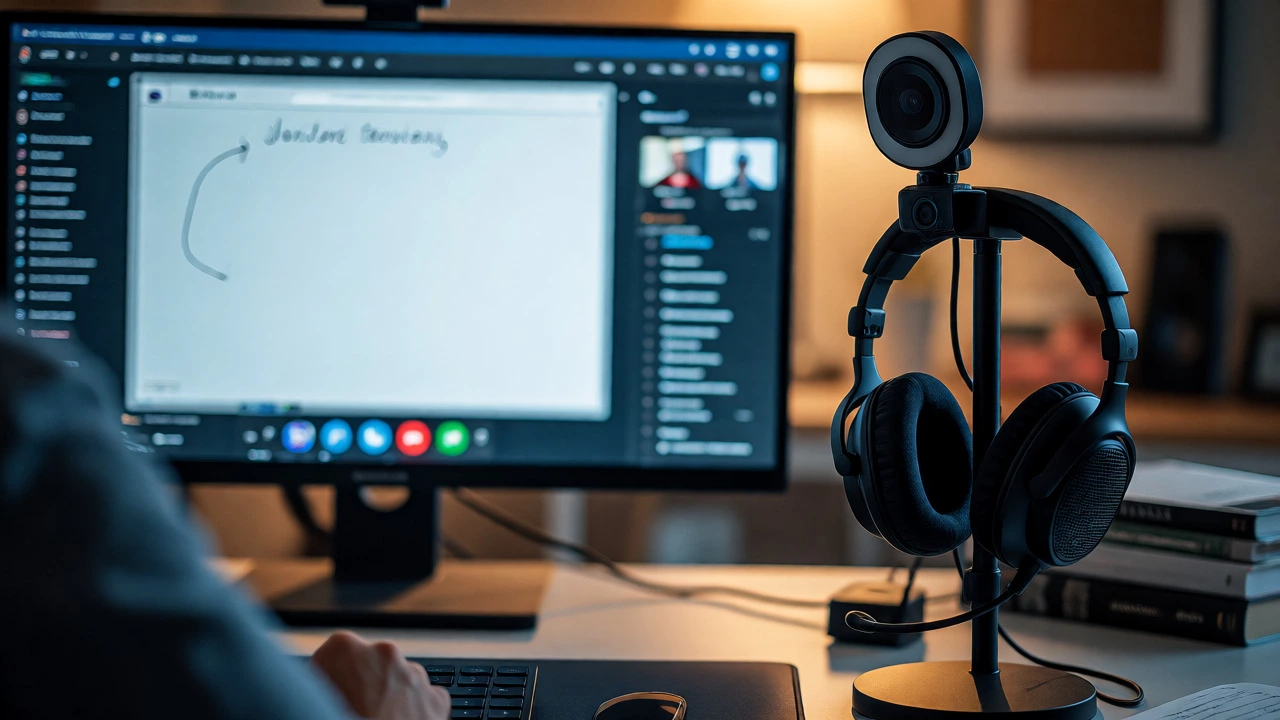
Think about the infrastructure. To run a professional Online Tutoring session, a tutor needs high-speed internet, a noise-canceling headset, a good webcam, and often multiple monitors to manage digital whiteboards while keeping eye contact with the student. That setup alone can cost between $500 and $1,500. Then there’s the software. Platforms like Wyzant, Preply, or Varsity Tutors take a commission-often ranging from 15% to 30% of every dollar earned. If a tutor charges $60, they might only keep $45 after the platform takes its cut.
Furthermore, online teaching is mentally exhausting. Without body language cues, tutors have to work twice as hard to read engagement levels. This leads to higher burnout rates, meaning tutors need to charge enough to sustain themselves during breaks between students. So, while they save on gas, they pay in tech, fees, and mental energy.
In-Person vs. Online: Where the Money Goes
To understand if online tutoring should be cheaper, we have to look at the cost structure of traditional Private Tutoring versus its digital counterpart. In-person tutoring includes hidden costs that parents rarely see but always pay for.
| Cost Factor | In-Person Tutoring | Online Tutoring |
|---|---|---|
| Travel Time/Cost | $10-$20 per session (gas + wear) | $0 |
| Platform Fees | 0% (if direct) to 10% | 15%-30% (platform dependent) |
| Resource Sharing | Physical handouts, printing costs | Digital PDFs, screen sharing tools |
| Preparation Time | Standard lesson planning | Tech checks, digital resource prep |
| Flexibility | Limited by geography/schedule | High (global talent pool) |
Notice the shift. In-person tutors charge a premium for convenience and location. An Elite Tutor in New York City might charge $150/hour simply because rent is high and clients expect luxury service. An online tutor in Ohio might charge $50/hour. Is the Ohio tutor worse? Not necessarily. They just operate in a lower-cost-of-living area. This geographic arbitrage is one of the few places where online tutoring genuinely offers better value per dollar.
Why Prices Haven't Dropped (Yet)
If online tutoring saves money, why haven’t prices plummeted? Because supply and demand still favor the expert. There is a massive shortage of qualified STEM (Science, Technology, Engineering, Math) tutors. When you search for a calculus tutor who can also explain concepts to a teenager without making them cry, you’re competing with thousands of other parents.
Moreover, the market is fragmented. While some platforms offer low-cost options, the best tutors often leave these platforms to go independent once they build a reputation. Independent online tutors know their worth. They realize that a parent in London will happily pay $70/hour to access a tutor in Bangalore or Toronto. The price isn’t set by the cost of electricity; it’s set by the scarcity of effective teaching skills.
Also, consider the quality control. Many low-cost online tutors lack formal training. They may speak English fluently but struggle with pedagogy-the science of how people learn. Paying $20/hour for a tutor who wastes an hour explaining something poorly is actually more expensive than paying $60/hour for a tutor who nails it in fifteen minutes. Efficiency is the new currency in tutoring.

Where You Can Actually Save Money
So, does this mean you’ll never get a bargain? Absolutely not. There are specific strategies to lower your bill without sacrificing quality.
- Group Sessions: Most platforms offer group classes. Instead of one-on-one attention, you join a small pod of 3-5 students. This splits the tutor’s hourly rate, dropping your cost by 50-70%. It works well for exam prep or homework help, though less so for personalized remediation.
- Peer Tutoring: Look for college students rather than certified teachers. A bright junior majoring in Chemistry can often teach AP Chemistry effectively for half the price of a retired professor. Just ensure they have references or verified credentials.
- Off-Peak Hours: Some platforms adjust pricing based on demand. Booking sessions late at night or early in the morning can sometimes yield lower rates, especially if you’re flexible with time zones.
- Direct Hiring: Once you find a great tutor on a platform, ask if they accept direct payments after the first few sessions. This bypasses the 20% platform fee, saving you money long-term. (Check the platform’s terms of service first, as some penalize this).
The Value Proposition: What Are You Really Buying?
Stop looking at the hourly rate in isolation. Look at the outcome. If your child fails Algebra II, repeating the course costs tuition, time, and confidence. A slightly more expensive tutor who guarantees a grade improvement might save you thousands in the long run.
Online tutoring also offers accessibility that in-person cannot match. If you live in a rural area, your local options might be limited to a generalist teacher who hasn’t taught calculus in ten years. Online, you can hire a specialist who focuses solely on AP Calculus BC. That specialization commands a higher price, but it delivers a result that a generic local tutor cannot. In this case, paying more for online tutoring is actually cheaper than paying for ineffective local instruction.
How to Negotiate and Vet Effectively
You don’t have to accept the first price. Here’s how to approach the negotiation like a pro:
- Bulk Discounts: Ask if the tutor offers a package deal. Buying 10 hours upfront often secures a 5-10% discount compared to paying weekly.
- Trial Sessions: Never commit to a long contract without a paid trial. Use this session to assess communication style, not just subject knowledge. Did they engage your child? Did they use visuals? Was the audio clear?
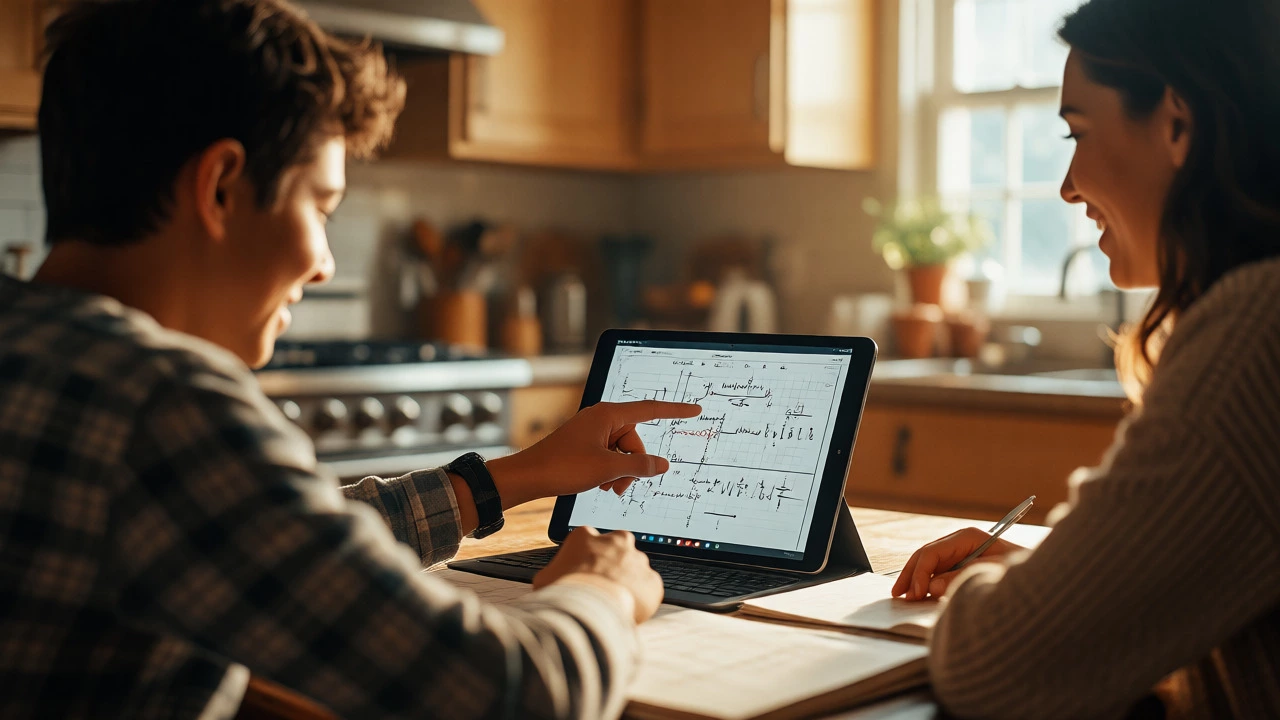
- Ask About Their Tech Stack: A tutor who uses interactive tools like GeoGebra or Desmos is likely investing in their craft. This justifies a higher rate because they provide a richer learning environment than someone just talking over a static PDF.
Remember, the goal isn’t just to find the cheapest option. It’s to find the most efficient path to mastery. Sometimes, the cheapest tutor ends up costing you double because you need three times as many sessions to achieve the same result.
Frequently Asked Questions
Is online tutoring really as effective as in-person tutoring?
Research generally shows that online tutoring is equally effective for academic performance, provided the technology works reliably and the student is engaged. However, it may be less effective for very young children or students with severe attention deficits who benefit from physical presence and non-verbal cues.
Why do some online tutors charge less than others?
Price variation comes from experience, qualifications, geographic location, and demand. A tutor in a country with a lower cost of living may charge less, even if they are highly qualified. Conversely, a tutor specializing in a high-demand niche like SAT prep or coding interviews will charge a premium regardless of location.
Can I get a refund if I don't like the online tutor?
Most reputable platforms have satisfaction guarantees or allow you to cancel upcoming sessions for a full refund. Always check the cancellation policy before booking. Independent tutors may have stricter policies, so clarify this during the initial interview.
Do online tutors prepare materials differently?
Yes. Effective online tutors rely heavily on digital whiteboards, screen sharing, and pre-prepared digital resources. They often spend more time preparing visual aids to compensate for the lack of physical interaction. This preparation time is factored into their hourly rate.
Is it safe to hire an unknown tutor online?
Safety protocols vary by platform. Reputable sites conduct background checks and verify identities. For independent hires, always meet via video call first, read reviews, and ensure sessions occur on monitored platforms or recorded calls until trust is established.