Adult Literacy: What It Is and Why It Matters for Adults and Families
When we talk about adult literacy, the ability of adults to read, write, understand, and use written information to function in daily life. Also known as basic skills, it’s not just about passing a test—it’s about being able to fill out a job application, read a medicine label, help a child with homework, or understand a lease agreement. This isn’t a one-time skill you learn in school. It’s something adults build, rebuild, or finally unlock at any age—and it changes everything.
Andragogy, the method and practice of teaching adult learners, is the backbone of how adult literacy works in real life. Unlike kids, adults don’t learn just because they’re told to. They need to see the point. They want to solve problems they face right now—like understanding a bank statement or writing a note to their child’s teacher. That’s why adult learning, the process by which adults acquire new knowledge and skills works best when it’s practical, self-directed, and tied to real experiences. And when adults gain confidence in reading and writing, they don’t just improve their own lives—they become better role models for their kids.
It’s not just about books. Learning styles, the ways people prefer to take in and process information matter too. Many adults learn better with visuals—charts, videos, pictures—than with long paragraphs. Others need to talk it through or do something hands-on. That’s why effective adult literacy programs don’t use one-size-fits-all methods. They adapt. They listen. They meet people where they are.
And here’s the truth: adult literacy doesn’t exist in a vacuum. It connects directly to adult education, structured learning opportunities designed specifically for grown-ups. Whether it’s a night class, a community workshop, or a quiet hour with a tutor, these programs give adults the tools to break cycles of limitation. They’re not just teaching reading—they’re teaching possibility.
What you’ll find below are real stories, clear explanations, and practical guides about how adults learn best. You’ll see how the same principles that help someone read their first sentence also help them land a better job, support their child’s education, or finally feel like they belong in a world that’s full of words they once feared. This isn’t theory. It’s lived experience. And it’s happening right now—in homes, in classrooms, in quiet moments of courage.
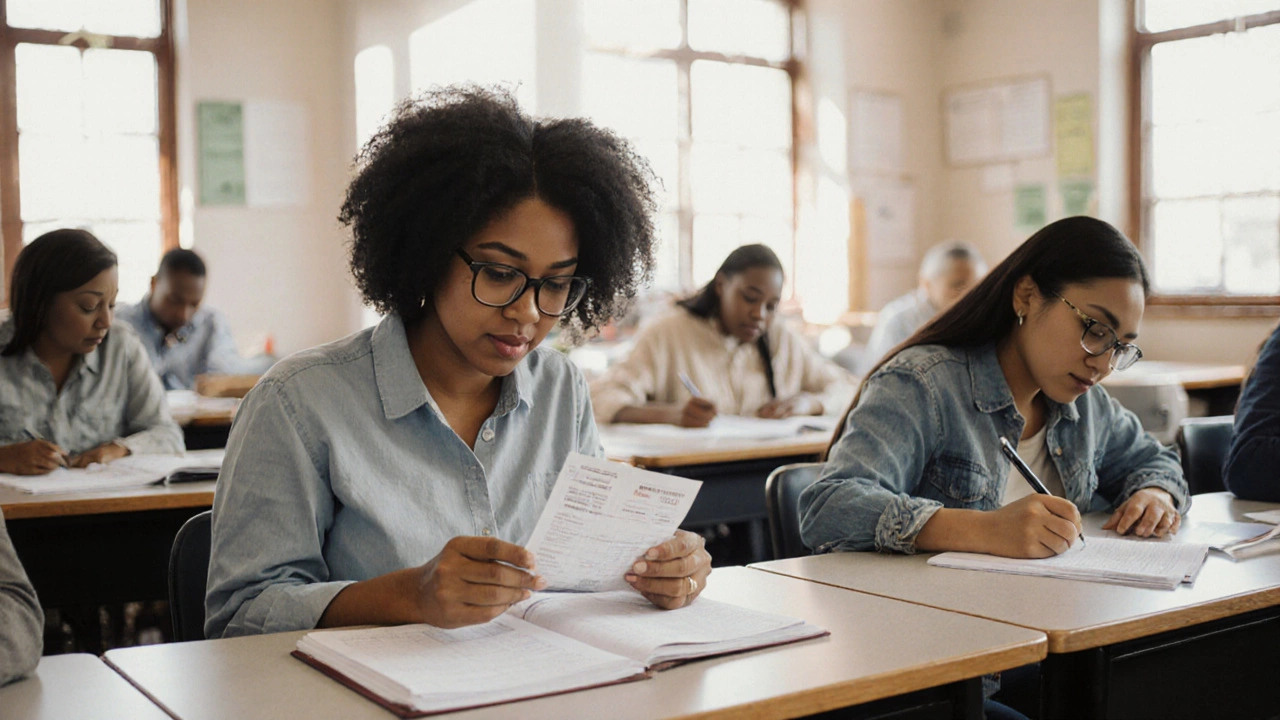
What Do You Learn in Adult Education? Real Skills for Real Life
Adult education teaches real-world skills like reading, math, English, job training, and financial literacy. It helps adults finish high school, get better jobs, and gain confidence-no matter their age or background.