Private Tutoring Impact Calculator
Financial & Time Inputs
Risk Assessment Factors
Annual Financial Burden
Total estimated yearly expenditure.
Opportunity Cost: This amount could alternatively fund a university semester deposit or significant family savings.
Time Investment
Equivalent to 0 full days.
Social Trade-off: Time spent in structured lessons is time removed from social development and independent exploration.
Risk Profile Analysis
Based on your inputs, there is a moderate level of risk regarding student well-being and dependency.
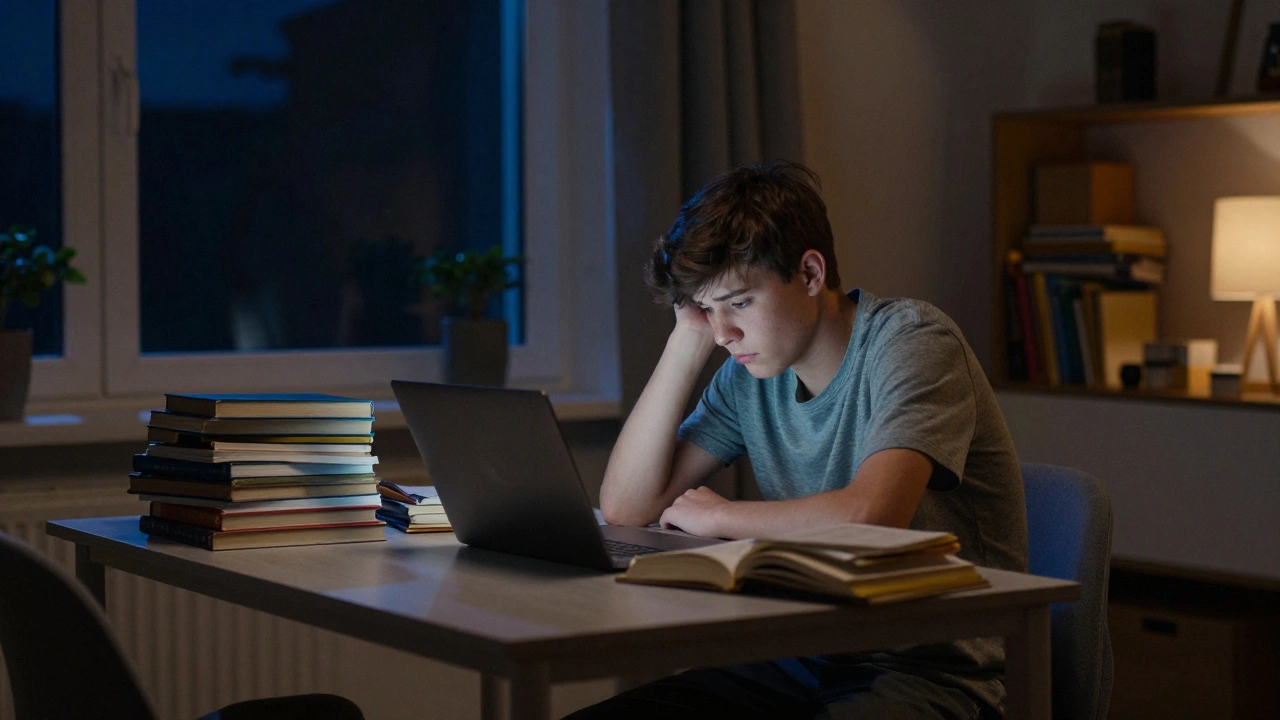
Picture this: It’s 7 PM on a Tuesday. While most teenagers are hanging out with friends, playing sports, or just decompressing after school, your child is sitting in a cramped living room or logging into another Zoom call for private math tutoring. The intention is noble-better grades, university acceptance, future success. But what happens when the pursuit of academic perfection starts to eat away at everything else? Private tutoring is one-on-one or small group instructional support provided outside of formal schooling, often driven by parental anxiety or competitive school systems. While it can boost test scores, the shadow side of this industry is growing darker. From crushing student mental health to widening the gap between rich and poor, the negative effects are real, measurable, and often overlooked until it’s too late.
The Mental Health Toll on Students
We often talk about the benefits of extra help, but we rarely discuss the cost to the child’s well-being. When tutoring becomes mandatory rather than supportive, it transforms from a safety net into a cage. The primary issue is the erosion of autonomy. Children who spend their evenings and weekends in structured learning sessions lose the chance to explore their own interests. This lack of free time leads to burnout, a state of emotional, physical, and mental exhaustion caused by excessive and prolonged stress.
In high-pressure environments like East Asia, where the concept of "shadow education" (tutoring that mirrors formal schooling) is dominant, studies have shown a direct correlation between hours spent in private lessons and increased rates of anxiety and depression among adolescents. Even in Western contexts, such as the UK and Ireland, the trend is rising. Parents push for GCSE revision is targeted preparation for General Certificate of Secondary Education exams or A-Level coaching not because the child is struggling, but because they want to ensure top grades. The result? Students feel that their worth is tied exclusively to their academic performance. If they fail a test, despite the tutoring, the psychological blow is devastating. They learn to fear failure rather than embrace it as part of the learning process.
- Loss of Playtime: Unstructured play is crucial for cognitive development and social skills. Tutoring replaces this essential developmental stage.
- Sleep Deprivation: Late-night tutoring sessions cut into sleep hours, leading to fatigue, poor concentration, and irritability.
- Anxiety Spikes: The constant monitoring creates a high-stress environment where mistakes are punished rather than corrected.
You might ask, "Is a little extra pressure really that bad?" Consider the difference between healthy motivation and toxic pressure. Healthy motivation comes from within; toxic pressure is imposed from the outside. When a child feels they cannot disappoint their parents, the joy of learning evaporates. They become robots executing tasks, not curious minds exploring ideas.
Widening the Gap: Educational Inequality
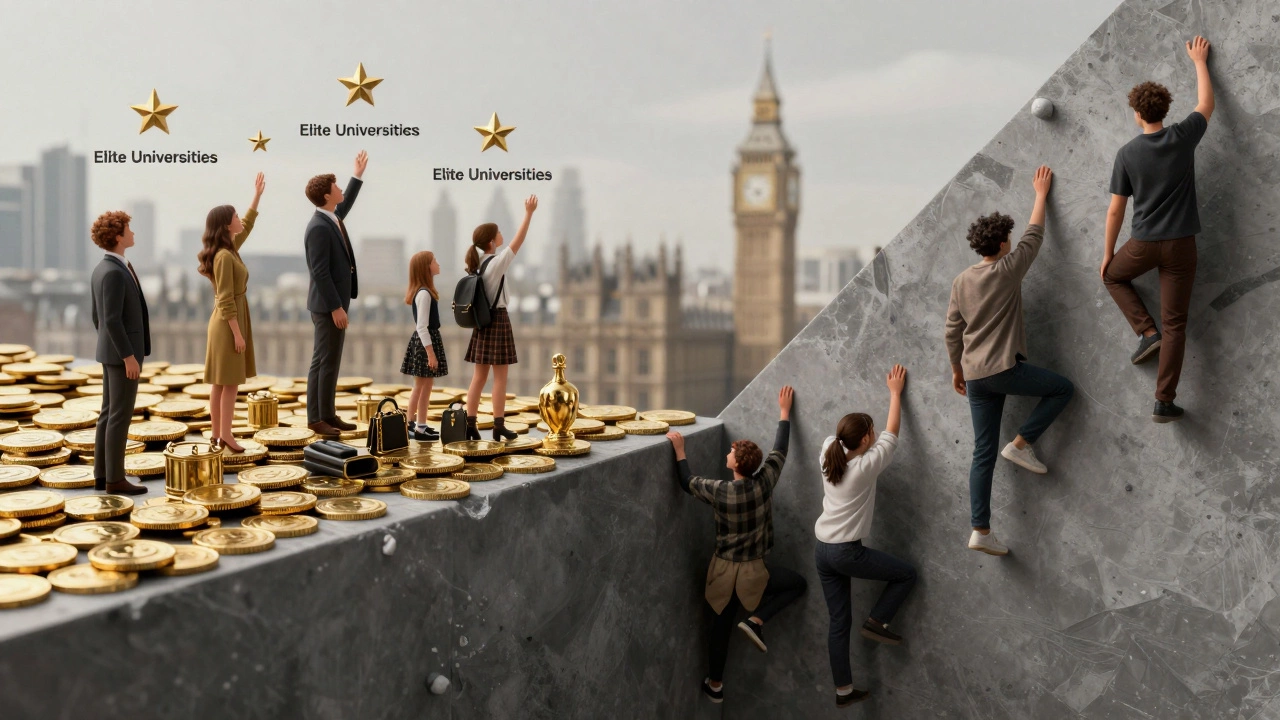
Perhaps the most damaging effect of private tutoring isn’t on the individual child, but on society as a whole. It exacerbates educational inequality is the disparity in access to quality education based on socioeconomic status. In an ideal world, public schools provide equal opportunities for all students. However, when wealthier families invest heavily in private tutors, they gain an unfair advantage. This creates a two-tier system where success is determined less by talent or effort and more by how much money your parents can spend on supplementary education.
This phenomenon is known as the "Matthew Effect" in education: the rich get richer, and the poor get poorer. A student from a low-income family who struggles with algebra doesn’t have the same resources as a peer whose parents hire a specialist tutor. Over time, this gap widens. By the time these students reach university applications, the playing field is tilted significantly. Meritocracy-the idea that people succeed based on ability-is undermined. Instead, we see a system where credentials are purchased. This not only demoralizes disadvantaged students but also reduces social mobility. If you can’t afford the best tutors, your chances of entering elite universities drop, regardless of your potential.
| Factor | Public School Support | Private Tutoring |
|---|---|---|
| Cost | Funded by taxes (free at point of use) | High hourly rates (£30-£60+ per hour) |
| Accessibility | Universal access for all students | Limited to those who can afford it |
| Focus | Broad curriculum and holistic development | Narrow focus on exam results and grades |
| Social Interaction | Diverse peer groups | Isolated or homogeneous groups |
This isn’t just a theoretical concern. In countries with heavy reliance on private tutoring, such as South Korea and Japan, the government has had to intervene with policies to limit tutoring hours because the social divide became unsustainable. We need to ask ourselves: Are we building a smarter society, or just a more segregated one?
Erosion of Critical Thinking and Independence
There is a subtle but dangerous shift in how students approach learning when they rely heavily on tutors. Instead of developing problem-solving skills, many students become dependent on external guidance. They wait for the tutor to explain the next step rather than trying to figure it out themselves. This dependency hinders the development of critical thinking, resilience, and self-regulation-skills that are far more valuable in the long run than memorizing formulas for a test.
Consider a student preparing for A Level is Advanced Level qualifications taken by students aged 16-18 in the UK and Ireland exams. With a tutor, they might learn shortcuts to solve specific types of problems quickly. However, if the exam question changes slightly, they may panic because they haven’t developed a deep conceptual understanding. True learning involves struggle. It’s the friction of not knowing that forces the brain to build new neural pathways. When a tutor removes that friction, they rob the student of the opportunity to grow intellectually.
Moreover, this reliance can extend beyond academics. Students accustomed to having someone manage their schedule, explain concepts, and check their work may struggle in university or the workplace, where autonomy is expected. They haven’t learned how to study independently, how to seek help from peers, or how to manage their time without external enforcement. This sets them up for failure in higher education, where the structure of school disappears.
The Financial Burden on Families
Let’s talk money. Private tutoring is expensive. In cities like Dublin, London, or New York, hourly rates for qualified tutors can range from €40 to €80 or more. For a family hiring a tutor twice a week for three subjects, the annual cost can easily exceed €5,000 to €10,000. This is a significant financial burden, especially for middle-class families who are not wealthy but aspire to give their children every advantage.
This spending often comes at the expense of other family needs. Money spent on tutoring could go toward savings for college, family vacations, home improvements, or retirement funds. The pressure to keep up with neighbors or classmates creates a cycle of consumption that strains household budgets. Parents may take on extra work or reduce leisure activities to pay for these sessions, which affects the overall family dynamic.
Furthermore, there is no guarantee of return on investment. Just because you pay for a tutor doesn’t mean the grade will improve. If the student is unmotivated or if the tutor is ineffective, the money is wasted. Unlike investing in stocks or property, tutoring is an intangible service with variable outcomes. Many families fall into the trap of believing that more money equals better results, leading to overspending without proportional gains.
Social Isolation and Reduced Peer Interaction
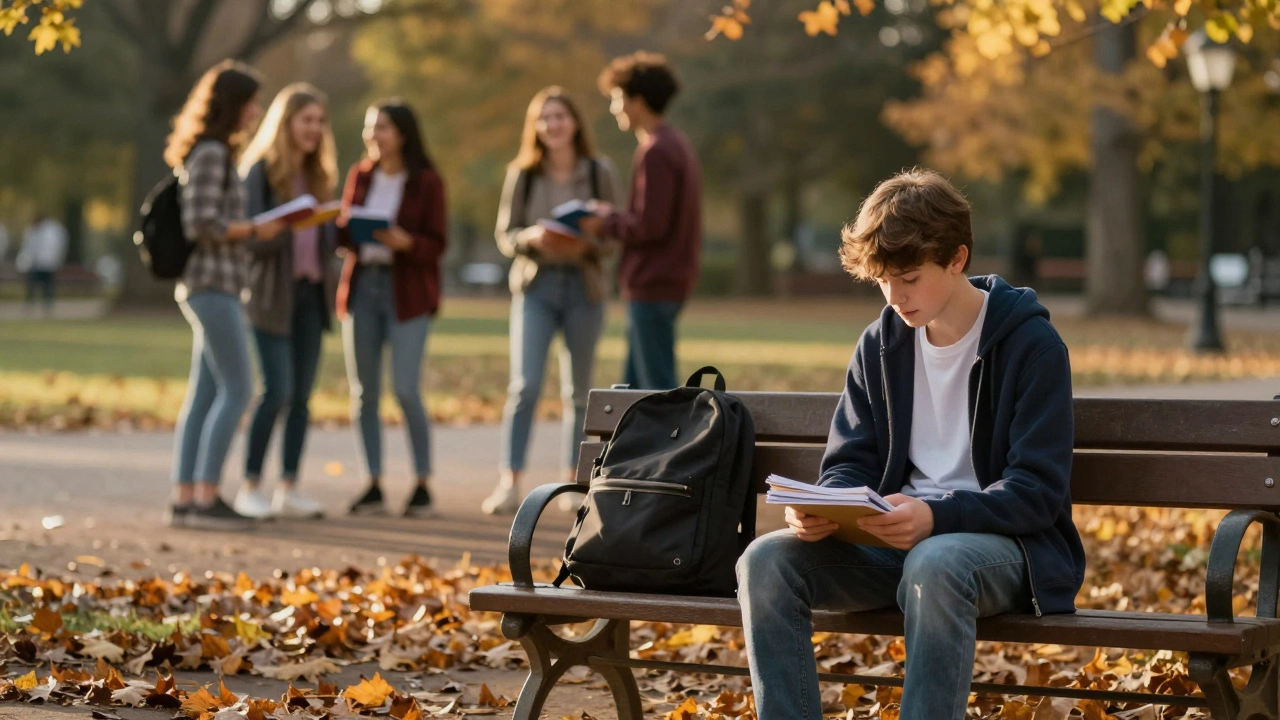
School is not just about academics; it’s a social ecosystem. It’s where children learn to navigate friendships, resolve conflicts, collaborate on projects, and develop empathy. When a significant portion of a child’s day is spent in isolated tutoring sessions, they miss out on these crucial social interactions. They may feel disconnected from their peers, who are engaging in extracurricular activities, sports, or casual hangouts.
This isolation can lead to feelings of loneliness and alienation. The student may perceive themselves as different from their classmates, creating a barrier to forming genuine connections. In extreme cases, this can contribute to bullying, either as a victim (being seen as a "teacher's pet" or overly studious) or as a perpetrator (using academic superiority to belittle others). Healthy social development requires balance. Without it, children may struggle with interpersonal skills later in life, affecting their careers and relationships.
Additionally, tutoring often reinforces a narrow definition of success. It sends the message that intellectual achievement is the only metric that matters. This devalues other talents, such as artistic creativity, athletic ability, or emotional intelligence. A child who is great at painting but average at math may feel inadequate if their time is dominated by math tutoring. We risk raising a generation that is academically proficient but socially stunted and emotionally fragile.
Impact on Teacher Authority and Classroom Dynamics
Private tutoring can also disrupt the classroom environment. When some students have received extra instruction, they may already know the material being taught in class. This can lead to boredom and disengagement during regular lessons. Conversely, teachers may feel undermined if they sense that parents do not trust their ability to teach their children. This tension can erode the partnership between home and school, which is essential for effective education.
In some cases, tutors may contradict the methods used by classroom teachers, confusing students. Different tutors have different styles and approaches. If a student is taught one way at school and another at home, it creates cognitive dissonance. The teacher’s authority is weakened when students prioritize the tutor’s instructions over the teacher’s. This fragmentation of educational responsibility makes it harder to maintain a cohesive learning community.
Moreover, the presence of widespread tutoring can pressure teachers to accelerate the pace of the curriculum, assuming that students have received additional support outside of school. This leaves behind those who do not have access to tutoring, further marginalizing vulnerable students. The classroom becomes a place for advanced review rather than foundational learning, which is detrimental to inclusive education.
When is private tutoring actually harmful?
Private tutoring becomes harmful when it replaces unstructured playtime, causes significant stress or anxiety, is forced upon an unwilling child, or creates a financial strain that impacts family well-being. It is also detrimental if it fosters dependency rather than independence.
Does private tutoring guarantee better grades?
No, it does not. While it can help students understand difficult concepts, outcomes depend on the student's motivation, the tutor's effectiveness, and consistency. Many students show minimal improvement despite extensive tutoring.
How can parents avoid the negative effects of tutoring?
Parents should treat tutoring as a temporary intervention for specific gaps, not a permanent solution. Limit sessions to one or two times a week, ensure the child has ample free time, and choose tutors who encourage independent thinking rather than rote memorization.
What are the alternatives to private tutoring?
Alternatives include peer study groups, online educational resources (like Khan Academy), seeking help from classroom teachers during office hours, and using library resources. These options are often free or low-cost and promote collaborative learning.
Is the "shadow education" system sustainable?
Many experts argue it is not. The intense competition and high costs lead to societal burnout and reduced birth rates in some countries. Governments are increasingly implementing regulations to limit tutoring hours to protect children's well-being and reduce inequality.