
Adult education isn’t just school for grown-ups. It’s a different kind of learning altogether. If you’ve ever gone back to school after raising kids, switched careers in your 40s, or taken an online course while working full-time, you’ve experienced it. Adult learners don’t sit in classrooms the way teenagers do. They bring life experience, deadlines, and real-world goals into every lesson. That changes everything.
Adult learners are self-directed
Most adults don’t wait for someone to tell them what to learn. They pick courses based on what they need right now - maybe to get a promotion, pass a certification, or fix a skill gap. A 52-year-old nurse taking a course in electronic health records isn’t doing it because her teacher assigned it. She’s doing it because her hospital just switched systems, and her job depends on it.
This self-direction shows up in how they choose materials, set study schedules, and decide when to ask for help. They’re not passive recipients of information. They’re active problem-solvers. Research from the National Center for Education Statistics shows that over 70% of adult learners in the U.S. say they chose their program because it matched their personal goals - not because it was easy or popular.
They learn best when content is relevant
Adults tune out fast if they can’t see how it connects to their lives. A lecture on abstract economic theories won’t stick if you’re a small business owner trying to understand cash flow. But break that same theory down into how to price your products, manage payroll, or reduce overhead? That’s useful. That’s memorable.
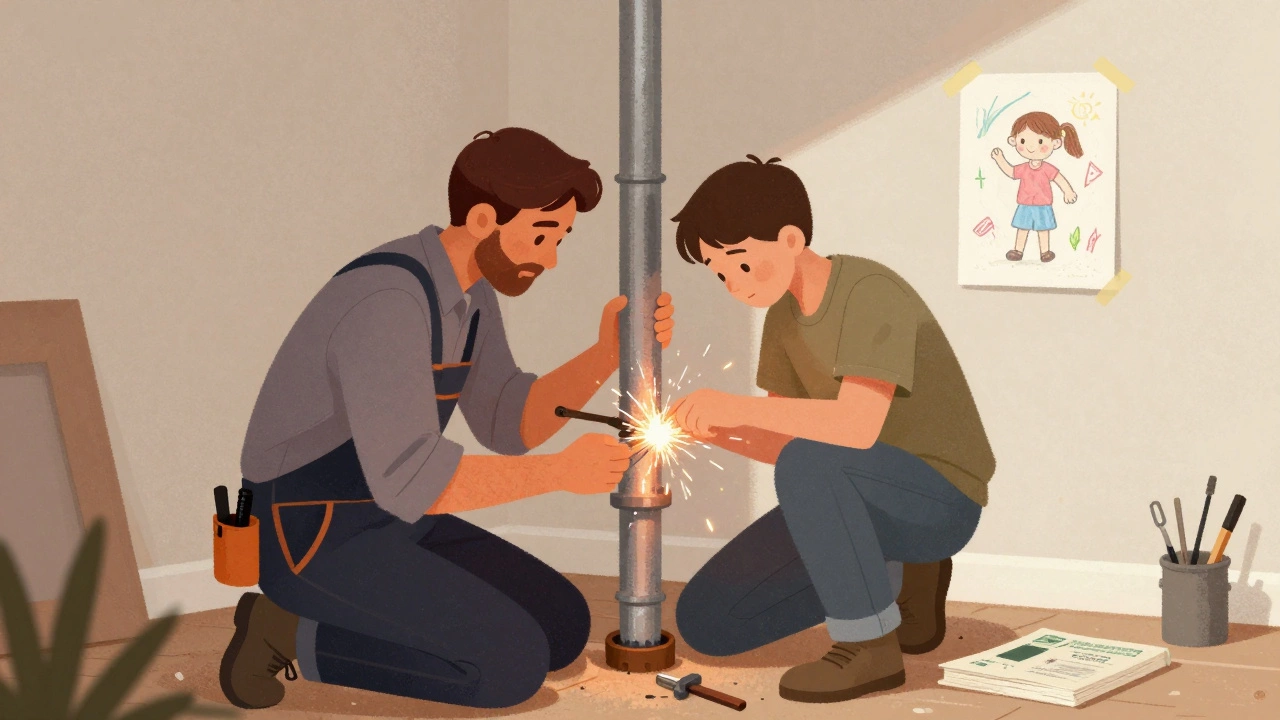
That’s why successful adult education programs tie every topic to real applications. A welding course doesn’t just teach how to hold a torch - it shows how to fix a leaking pipe in a home renovation. A literacy class doesn’t just drill grammar - it helps someone fill out a job application or read their child’s report card. Relevance isn’t a nice-to-have. It’s the foundation.
Experience is their starting point
Adults come into learning with decades of lived experience. They’ve worked, raised families, dealt with loss, managed budgets, solved problems. That’s not baggage - it’s fuel. Good adult education doesn’t ignore that. It builds on it.
Think about a classroom where learners are asked to share how they’ve handled conflict at work before the instructor even mentions conflict resolution theory. Or a math class where students use grocery receipts to practice percentages. These aren’t gimmicks. They’re strategies that honor what adults already know. Studies from the University of Toronto show that adult learners retain information 40% longer when new concepts are linked to past experiences.
They need practical, immediate results
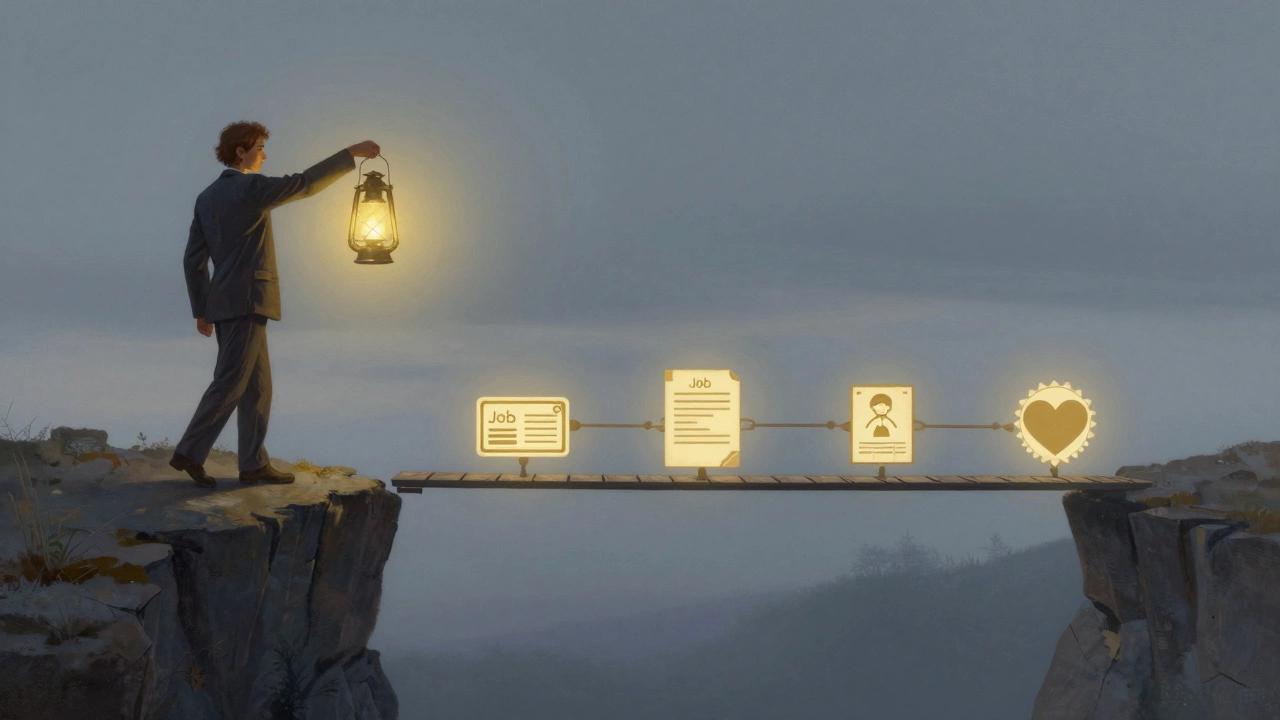
Adults aren’t learning for the sake of learning. They’re learning to do something - change jobs, fix something broken, get a license, pass a test. They want to see progress quickly. A six-week course that only gives theory without practice will lose them by week three.
That’s why hands-on projects, simulations, and real-world tasks work better than lectures. A cybersecurity course for IT professionals doesn’t just explain firewalls - it lets them set up a mock network and defend it against simulated attacks. A parenting class doesn’t just talk about child development - it gives participants scripts to use when their toddler throws a tantrum in public.
Adults measure success by what they can do tomorrow, not what they’ll remember next semester.
Emotional barriers are real - and must be addressed
Many adults haven’t been in a classroom since they were 18. Some had bad experiences. Others feel too old. Some worry they’re not smart enough. Shame, fear, and self-doubt are common - and they’re bigger obstacles than any textbook.
Successful adult education programs don’t pretend these feelings don’t exist. They build trust. They create safe spaces. They celebrate small wins. A program in Dublin that helps unemployed adults return to education starts every session with a 5-minute check-in: “What’s one thing you’re proud of this week?” It’s not about academics. It’s about rebuilding confidence.
When adults feel respected, seen, and safe, they learn faster. When they feel judged or talked down to, they shut down - no matter how good the curriculum is.
These five characteristics - self-direction, relevance, experience-based learning, practical outcomes, and emotional safety - aren’t just teaching tips. They’re the core of how adults actually learn. Ignore them, and you’re just giving adults school again. Honor them, and you unlock real change.