Special Needs Cost Calculator
Calculate Your Monthly Expenses
Estimate your costs for therapy, equipment, and support based on Irish government rates and typical expenses.
Your Estimated Monthly Costs
Net CostTotal Monthly Costs
€0.00
Government Support
€0.00
Net Out-of-Pocket Cost: €0.00
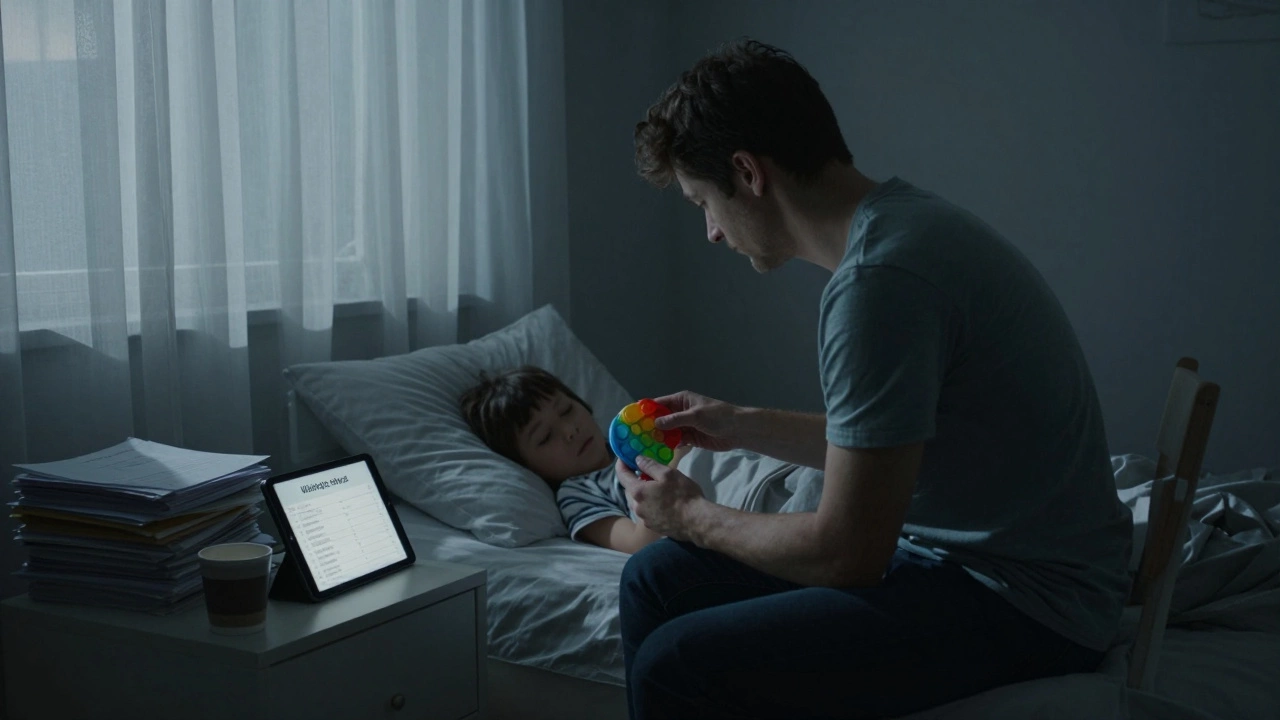
Every parent wants to give their child the best start in life. But when your child has special needs, the journey looks different - not because you love them less, but because the world isn’t built for them. The struggles aren’t always visible. You won’t see them in photos on social media. You won’t hear them in polite small talk at the school gate. But they’re there - in the quiet moments, the sleepless nights, the endless meetings, and the constant weighing of choices no parent should have to make.
The Emotional Toll
Parenting a child with special needs often means grieving a future you never planned for. You imagined your child learning to ride a bike, going to prom, or getting their first job. Instead, you’re learning to celebrate small wins: saying a word for the first time, tying a shoe without help, sitting through a full meal without meltdown. These moments matter deeply - but they don’t erase the grief. Many parents describe feeling like they’re mourning a child they never met - the one they thought they’d have.
And then there’s guilt. Guilt for feeling overwhelmed. Guilt for wishing things were easier. Guilt for snapping at your partner after a long day. Guilt for needing a break. You’re told to be strong, to be patient, to be the calm in the storm. But no one tells you it’s okay to be tired. To cry. To need help.
Accessing Services Is a Full-Time Job
In Ireland, the Education for Persons with Special Educational Needs (EPSEN) Act was passed over 20 years ago. But the reality? Families still wait over a year for an assessment. You’ll spend hours filling out forms, chasing emails, calling departments, and attending meetings with therapists, psychologists, and school staff - all while managing your child’s daily needs. One mother in Cork told me she spent 14 months waiting for a speech therapist appointment. By the time her child got help, they’d lost crucial developmental momentum.
Even when services are approved, they’re often inconsistent. A child might get 30 minutes of occupational therapy per week - not enough to make a real difference. Schools may say they can’t accommodate a child’s needs, and parents are left to fight for legal rights they never asked to understand.
School Isn’t Always Safe or Supportive
Public schools are stretched thin. Teachers care deeply, but many haven’t been trained to handle complex needs. A child with autism might be excluded from class because they can’t sit still. A child with Down syndrome might be placed in a separate room because the mainstream class can’t adapt. One father in Limerick described how his daughter was sent home for three weeks because staff didn’t know how to manage her anxiety meltdowns. No one called it bullying. No one called it neglect. It was just ‘too difficult’.
Special needs education isn’t about labels. It’s about access. But too often, access means being shuffled between schools, moving districts, or pulling your child out entirely. Private schools aren’t always better. Many refuse to take children with behavioral or learning challenges. And if you can’t afford private therapy or tutors, you’re stuck.
The Social Isolation
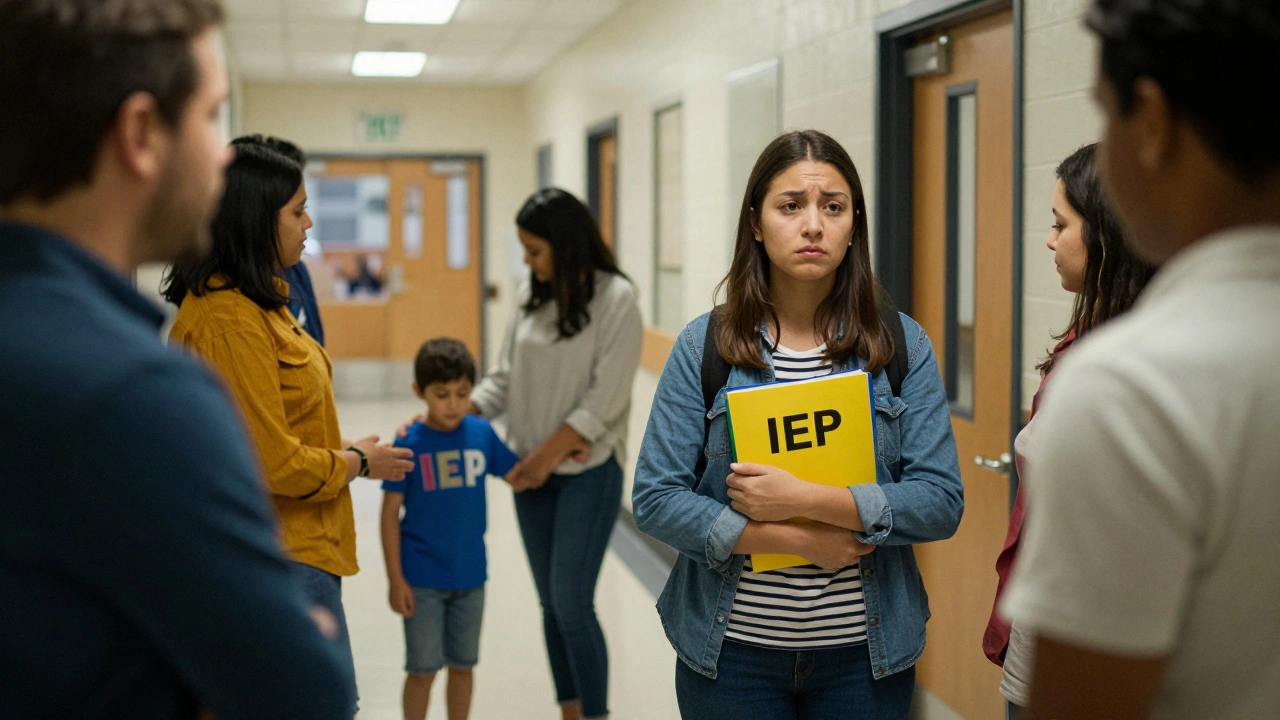
You used to chat with other parents at the park. Now, invitations stop coming. Playdates get canceled. Friends don’t know what to say. One mom in Galway said, ‘I stopped going to birthday parties because I didn’t want my son to be stared at. I didn’t want to explain why he screamed when the music turned up.’
Siblings feel it too. They miss out on family time. They learn to be quiet. They worry their brother or sister will be judged. Some feel guilty for being ‘normal’. Others feel invisible. A 12-year-old girl in Dublin told her counselor, ‘I don’t think my parents notice me anymore.’
The Financial Strain
Special needs cost money - and not just for therapy. You need sensory-friendly clothes. Noise-canceling headphones. Specialized strollers. Modified car seats. Dietary supplements. Home adaptations. Transportation to appointments. And that’s before you factor in lost income. One parent had to quit their job because no childcare would take their child. Another works two shifts just to afford a private speech therapist. The government offers some supports - like the Disability Allowance or the Carer’s Allowance - but they don’t cover the real cost. In 2025, the average monthly out-of-pocket expense for a family with a child on the autism spectrum in Ireland was €1,200. That’s not a donation. That’s a second mortgage.
When the System Fails
There’s a gap between policy and practice. The Department of Education says every child has a right to education. But when a child can’t sit in a classroom, who steps in? When a child needs 1:1 support, but the school says they can’t afford it - who pays? Parents are left holding the bag. Some take out loans. Some sell their cars. Some move into smaller homes. One family in Waterford sold their house and moved into a rented apartment so they could afford a live-in support worker.
And then there’s the transition to adulthood. Once a child turns 18, most educational supports vanish. There’s no clear path to employment, independent living, or continued therapy. Many families are left wondering: ‘What happens when we’re gone?’
You’re Not Alone - But It Still Feels Like It
There are communities out there. Online groups. Parent networks. Advocacy organizations. But finding them takes time - and energy you don’t always have. You’ll learn to recognize the quiet ones: the parent who doesn’t speak much at meetings, the one who always brings extra snacks, the one who shows up with coffee and silence when you’re falling apart.
There’s no magic fix. No quick win. But there is hope - not in the form of a cure, but in the quiet strength of parents who keep showing up. Who fight for their child’s right to be seen. Who learn to measure love in small steps, not big milestones.
It’s hard. It’s exhausting. It’s unrelenting. But you’re doing better than you think. Because the world didn’t prepare you for this. But you - you’re learning how to build a new one.
What are the most common special needs in children today?
The most common special needs include autism spectrum disorder (ASD), attention deficit hyperactivity disorder (ADHD), dyslexia, Down syndrome, and developmental delays. Anxiety, sensory processing disorders, and speech or language impairments are also widespread. In Ireland, autism diagnoses have increased by 45% since 2019, according to the HSE. Many children have overlapping needs - for example, a child with ADHD may also struggle with dyslexia or emotional regulation.
Can a child with special needs attend a mainstream school?
Yes, under Irish law, children have the right to be educated in mainstream settings where possible. The EPSEN Act requires schools to make reasonable accommodations. But in practice, many schools lack funding, training, or staff to support complex needs. Some children thrive with extra help - like a teaching assistant, modified curriculum, or sensory breaks. Others need smaller, specialized settings. The key is individual planning. Every child should have a Personal Education Plan (PEP) that outlines supports.
What financial help is available for families in Ireland?
Families can apply for the Disability Allowance (monthly payment), Carer’s Allowance (if you’re the main caregiver), and the Child Disability Benefit. The HSE provides free therapies like speech, occupational, and physiotherapy - but wait times can be long. The Department of Education funds Special Needs Assistants (SNAs) and Resource Teachers for schools. Many families also access the Assistive Technology Fund for devices like communication aids. However, out-of-pocket costs for therapies, equipment, and transportation often exceed these supports.
How do I know if my child needs a formal assessment?
If your child is significantly behind peers in speech, movement, learning, or social skills - or if they have extreme emotional reactions, sensory sensitivities, or difficulty with daily routines - it’s worth asking for an assessment. You can request one through your GP, pediatrician, or school. Schools in Ireland must respond within 6 weeks. A full assessment typically includes input from a psychologist, speech and language therapist, and occupational therapist. Don’t wait for a crisis. Early intervention makes the biggest difference.
What should I do if my child is being excluded from school activities?
Exclusion without proper support is a breach of the Equal Status Act and EPSEN Act. First, document everything: dates, incidents, who was involved, what was said. Then, request a meeting with the principal and SENCO (Special Educational Needs Coordinator). Bring any medical or therapy reports. If the school refuses to accommodate, contact the National Council for Special Education (NCSE). They can assign an Area Co-ordinator to help negotiate supports. You can also reach out to IPSEA or Special Needs Ireland for free legal advice. No child should be denied access because they’re different.