Education Terminology Checker
Check a Job Title
Enter an educational role to see the correct modern, gender-neutral term.
Common Education Roles
Headmaster / Headmistress
Headteacher / Principal
Chairman / Chairwoman
Chairperson / Chair
Tutress
Female Tutor
Authoress / Poetess
Author / Poet
Tip: Use adjectives like "female" or "male" only when gender is relevant to the specific context (e.g., cultural preference), rather than changing the noun itself.
You’ve probably heard someone ask this before: "What is the feminine word for tutor?" It’s a question that pops up more often than you’d think, especially when parents are looking for a female tutor who can connect with their daughter, or when students want to match genders for comfort. The short answer might surprise you. There isn’t one.
In modern English, the word tutor is gender-neutral. It applies to anyone providing instruction, regardless of sex. If you hire a man, he is a tutor. If you hire a woman, she is also a tutor. Unlike words like "actor" (which has the specific feminine counterpart "actress") or "waiter" (now often replaced by "server"), "tutor" doesn’t have a distinct female version like "tutress." That word exists in dictionaries, but nobody uses it anymore. It sounds archaic, almost Victorian, and using it today would likely confuse your audience rather than clarify things.
Why "Tutress" Faded Away
To understand why we don’t have a common feminine word for tutor, we have to look at how language evolves. Historically, English had many paired terms: poet/poetess, author/authoress, and yes, tutor/tutress. These suffixes (-ess) were used to denote women in roles that were traditionally male-dominated. However, over the last fifty years, there has been a massive shift toward gender-neutral language.
This shift wasn’t just about politics; it was about practicality and respect. Using separate words for men and women implies that the "default" human is male, and the female version is an exception. In the world of private tutoring, this matters because the focus should be on expertise, not gender. When you search for a tutor on platforms like Superprof or Bark, you aren’t searching for a "male tutor" or a "female tutor" as primary categories; you are searching for a math expert, a French speaker, or a GCSE coach. The gender is a secondary filter, if it’s considered at all.
So, if "tutress" is out, what do people actually say? They usually stick with "tutor" or add a descriptor. You might hear:
- A female tutor
- A woman tutor
- My girl tutor (informal)
The Nuance of "Teacher" vs. "Tutor"
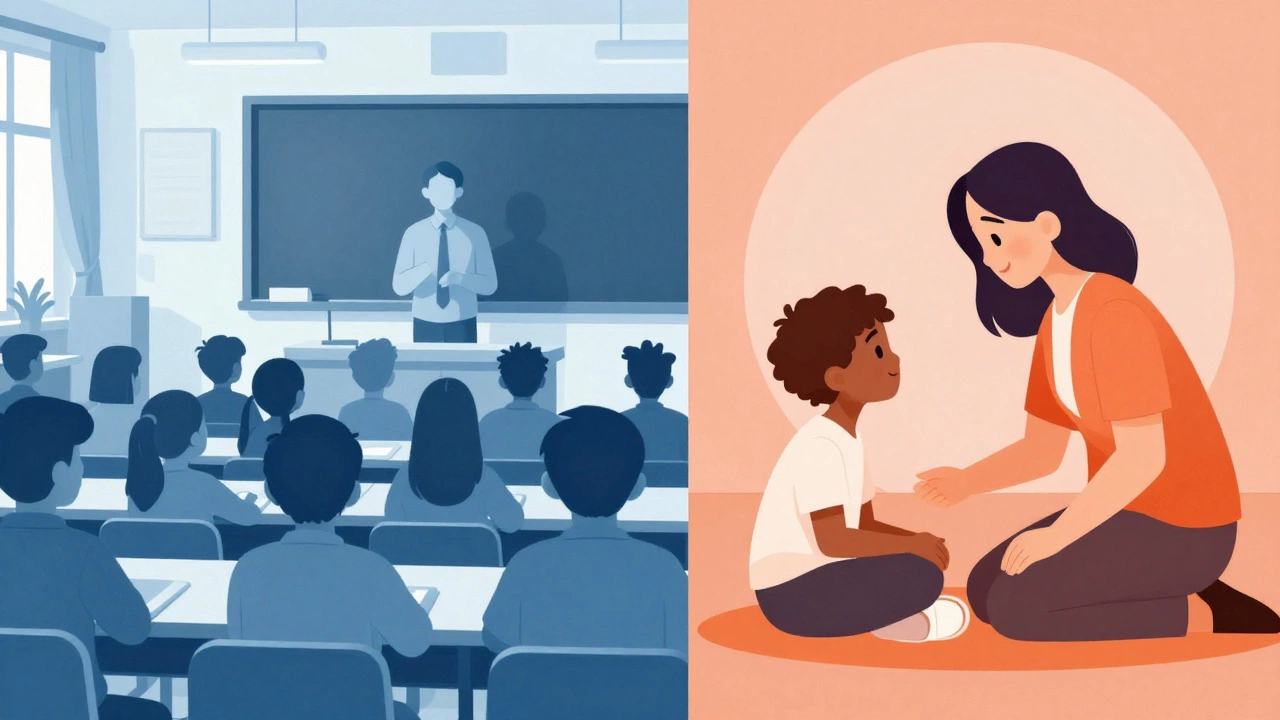
It’s worth noting that confusion sometimes arises because people mix up "tutor" with "teacher." While both educate, their roles differ significantly. A teacher works within a formal school system, managing classrooms of thirty or more students. A tutor provides one-on-one or small-group instruction, often outside of school hours.
Interestingly, the word "teacher" is also gender-neutral. We don’t say "teachess." But historically, in early childhood education, you might have seen "kindergarten teacher" implicitly assumed to be female, while "headmaster" was male. Today, we use "headteacher" or "principal" to avoid that bias. The same logic applies to tutoring. Whether you are helping a child with homework in Dublin or coaching a professional for an interview in New York, the title remains "tutor."
When Gender Does Matter in Tutoring
Even though the word itself is neutral, gender preferences in hiring tutors are real. Why? Because comfort and relatability play huge roles in learning. For example:
- Adolescent Girls: Some teenage girls feel more comfortable discussing personal development, health, or even certain academic subjects with a female mentor. They may fear judgment from male authority figures during vulnerable developmental stages.
- Cultural Preferences: In some cultures, families prefer same-gender tutors for religious or modesty reasons. This is common in communities where physical proximity or mixed-gender interaction is restricted.
- Role Modeling: Parents of daughters often seek female tutors in STEM (Science, Technology, Engineering, Math) fields to provide visible role models. Seeing a confident woman explaining calculus can break stereotypes and inspire young girls to pursue those paths.

Other Gendered Terms in Education
If "tutor" is neutral, what about other jobs in the education sector? Let’s look at a few common ones and see how they handle gender:
| Traditional Term | Feminine Counterpart (Historical) | Modern Standard |
|---|---|---|
| Headmaster | Headmistress | Headteacher / Principal |
| Usher | Usheres | Usher / Greeter |
| Chairman | Chairwoman | Chairperson / Chair |
| Tutor | Tutress | Tutor |
How to Describe a Female Tutor Professionally
If you are writing a bio, an advertisement, or a recommendation letter for a woman who tutors, here is how to handle it naturally:
- Use "She" Pronouns: "Sarah is an excellent math tutor. She explains complex concepts simply." This is the most natural way to indicate gender without changing the job title.
- Add Adjectives Sparingly: Use "female tutor" only if the gender is a selling point or a requirement. For example, "Experienced female tutor available for home visits."
- Focus on Expertise: Instead of highlighting gender, highlight qualifications. "Qualified PGCE holder specializing in GCSE English." This builds trust more effectively than gender markers.
The Impact of Language on Perception
Language shapes how we see the world. When we use gender-neutral terms like "tutor," "doctor," or "firefighter," we subtly reinforce the idea that anyone can do these jobs. Research in linguistics suggests that gender-inclusive language increases the visibility of women in non-traditional roles. For instance, studies have shown that when job ads use "firefighter" instead of "fireman," more women apply for the position.
In the context of online tutoring, this is crucial. Platforms like Chegg Tutors or Preply rely on algorithms and tags. If you label yourself as a "tutress," you might miss out on searches for "tutor." By sticking to the standard term, you ensure maximum visibility. Your profile picture and bio will convey your gender if needed, but your title should remain broad and inclusive.
Common Mistakes to Avoid
Here are a few pitfalls to watch out for when discussing tutors:
- Assuming "Tutor" Means Male: Don’t default to "he" when referring to a generic tutor. Use "they" or rephrase the sentence. Instead of "A tutor must bring his own books," try "Tutors must bring their own books."
- Using Archaic Terms: Never use "tutress" in professional communication. It signals outdated thinking and can alienate clients who value modern, inclusive values.
- Over-Specifying Gender: Unless asked, don’t lead with gender. Lead with subject matter. "Math Tutor" is stronger than "Female Math Tutor" unless the client specifically requested a woman.
Conclusion: Simplicity Wins
So, back to the original question: What is the feminine word for tutor? The answer is simply "tutor." You don’t need a new word. You don’t need a suffix. You just need to recognize that the profession belongs to everyone. By using clear, gender-neutral language, you make the education sector more accessible and professional. Whether you are a student seeking help, a parent finding support, or a tutor marketing your services, sticking to the standard term keeps things simple, respectful, and effective.
Is "tutress" still used today?
No, "tutress" is considered archaic and is rarely used in modern English. It appears in older literature but is not appropriate for contemporary professional or casual conversation. Using it may confuse listeners or seem outdated.
Can I call a woman a "female tutor"?
Yes, "female tutor" is perfectly acceptable and commonly used when gender is a relevant factor, such as when a client has a preference. It is clear and respectful. However, if gender is not important, simply saying "tutor" is preferred.
What is the difference between a tutor and a teacher?
A teacher typically works in a classroom setting with many students, following a standardized curriculum. A tutor provides personalized, one-on-one or small-group instruction, often focusing on specific subjects or exam preparation. Both terms are gender-neutral.
Why do some people prefer a female tutor?
Preferences vary based on cultural norms, personal comfort, or the desire for same-gender role modeling. For example, some adolescent girls may feel more at ease discussing sensitive topics with a female mentor, or parents may seek female role models in STEM fields.
Are there other gender-neutral job titles in education?
Yes, many education roles have shifted to gender-neutral terms. Examples include "headteacher" (instead of headmaster/headmistress), "chairperson" (instead of chairman/chairwoman), and "police officer" (instead of policeman/policewoman). "Tutor" has always been largely neutral, unlike some other professions.