
24-Hour Learning Application Tracker
Apply Your Learning Within 24 Hours Golden Rule
Track your application of new knowledge to strengthen retention. The sooner you use what you've learned, the better you retain it.
Start time
Not started
Time remaining
24:00:00
Application Status
Start your learning application timer to see your progress
There’s a myth that learning gets harder as you get older. That you forget faster, lose focus, or just can’t absorb new things like you did in school. But if you’ve ever picked up a new skill later in life-maybe learning Spanish after 40, mastering Excel for a career shift, or finally understanding how to use your grandkid’s smartphone-you know that’s not true. The problem isn’t your brain. It’s what you’ve been told to do.
The golden rule of learning isn’t about time or talent
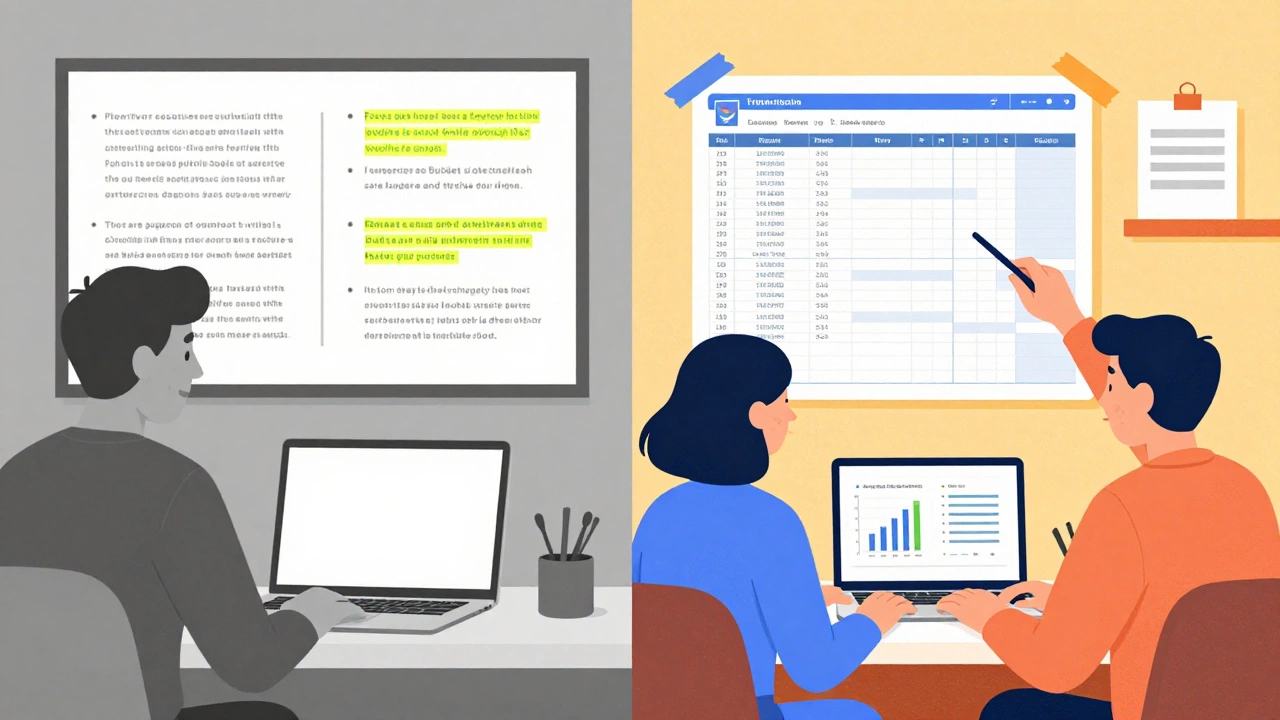
The golden rule of learning is this: you learn best when you use what you’ve learned, right away. Not when you review it. Not when you re-read it. Not when you highlight it in yellow. You learn when you do something with it.
This isn’t some vague advice from a self-help book. It’s backed by decades of cognitive science. The testing effect, also called retrieval practice, shows that recalling information from memory strengthens learning more than passive review. And the spacing effect proves that spreading out practice over time beats cramming. But neither of those work unless you actually use the knowledge.
Think about it. You took a cooking class last year. You watched videos, took notes, even memorized the five mother sauces. But you didn’t cook once. Three months later, you couldn’t remember half of it. Now imagine you made paella that weekend. Then again two weeks later. Then you tried a new recipe every Friday. Suddenly, you know those sauces inside out. You don’t have to think about them. They’re part of you.
Why passive learning fails adults
Most adult learning programs-online courses, webinars, even books-sell you on the idea that watching, reading, and taking notes is enough. But that’s the trap. Your brain treats passive input like background noise. It doesn’t file it away as important. It just lets it drift.
Here’s what happens in real life:
- You sign up for a LinkedIn Learning course on project management.
- You watch all 12 videos in one weekend.
- You take the quiz. Score: 92%.
- Two months later, your manager asks you to lead a small team project. You freeze. You can’t remember the framework you just aced.
Why? Because you never used it. You never had to apply it. Your brain didn’t see a reason to keep it.
Compare that to someone who watches one video, then immediately tries to map out their own work schedule using the same technique. They struggle. They make mistakes. They look up the video again. They try again. A week later, they use it on a real task. That’s learning.
How to apply the golden rule-five simple ways
You don’t need fancy tools or hours of free time. You just need to turn learning into doing. Here’s how:
- Teach it to someone else-even if they’re not listening. Explain the concept out loud to your cat, your mirror, or your partner while they’re scrolling on their phone. If you can’t explain it simply, you don’t understand it well enough.
- Use it within 24 hours. After watching a tutorial, reading an article, or attending a workshop, force yourself to do one small thing with it. Don’t wait for the "perfect moment." Just start.
- Make mistakes on purpose. Try the new software with fake data. Write the email you’re nervous to send. Speak the new language even if you mess up. Mistakes aren’t failures-they’re data points.
- Connect it to something you already know. If you’re learning about budgeting, link it to how you plan your grocery shopping. If you’re learning about negotiation, think about how you bargain at the market. Your brain learns better through familiar patterns.
- Track your progress with one metric. Not grades. Not certificates. Just one thing: "How many times did I use this skill this week?" That’s your real measure of learning.
Real examples from real adult learners
One woman in Cork, age 56, wanted to learn basic coding to help her daughter with homework. She didn’t take a full course. She opened a free coding site, watched a 10-minute video on loops, then wrote a tiny program that calculated her weekly bus fares. She ran it. It crashed. She fixed it. She did it again the next day. Three weeks later, she was building simple games with her daughter.
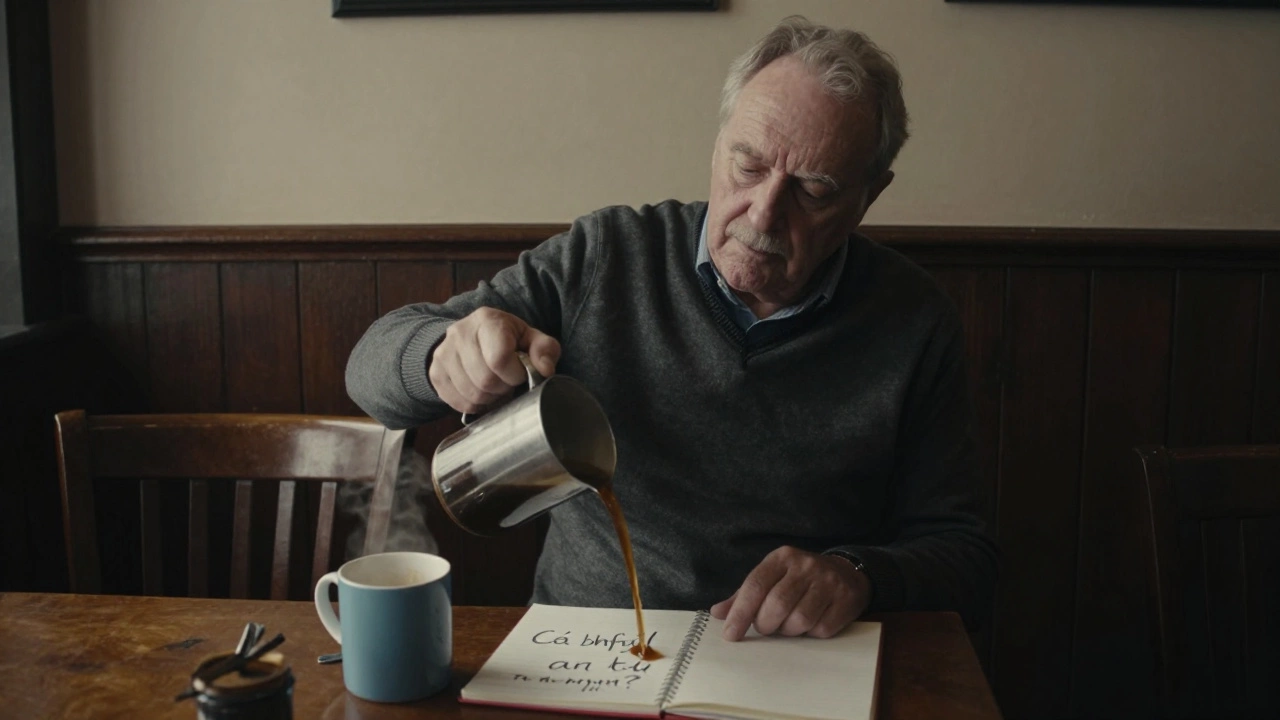
A man in Galway, 61, decided to learn Irish after retiring. He didn’t memorize grammar rules. He started speaking to himself in Irish while making coffee. "Cá bhfuil an t-úll?" Where’s the apple? He’d say it. He’d answer it. He didn’t care if it sounded silly. After six months, he was chatting with neighbors at the local shop.
These people didn’t have more time. They didn’t have better memory. They just followed the golden rule: use it or lose it.
What happens when you ignore the rule
Most adult learners quit not because they’re too busy or too old-but because they feel like they’re not making progress. They think they’re failing. But they’re not failing. They’re just not doing anything.
That’s why so many people spend hundreds on online courses they never finish. They think the course is the learning. It’s not. The course is just the starting line. The real learning starts when you step off it.
Studies from the University of Dublin’s Centre for Lifelong Learning show that adults who apply new knowledge within 48 hours retain 78% of it after six months. Those who don’t apply it? They remember less than 15%.
It’s not about motivation. It’s about structure.
You don’t need to be "motivated" to learn. You need a system. Motivation fades. Systems don’t.
Here’s a simple one:
- Step 1: Learn something new (watch, read, listen).
- Step 2: Do one thing with it before bed.
- Step 3: Repeat next day.
That’s it. No apps. No planners. Just one small action. You’ll be surprised how fast it adds up.
Think of learning like gardening. You don’t plant a seed and wait for it to grow on its own. You water it. You pull the weeds. You move it into the sun. Learning is the same. Input is the seed. Action is the water.
Start today. Not tomorrow.
What’s one thing you’ve been meaning to learn? Maybe it’s how to use Zoom better. Maybe it’s how to file your taxes online. Maybe it’s understanding how interest works on your savings.
Find a 10-minute video or article on it. Watch it. Then, right now-before you close this page-do one thing with it. Open your bank app. Try the feature. Type out a message. Change a setting. Mess it up. Fix it. That’s learning.
You’re not too old. You’re not too busy. You’re not broken. You just never got told the golden rule. Now you know. Use it. Right away.
Is the golden rule of learning the same for kids and adults?
Yes, the core principle is the same: you learn by doing. But adults often have more distractions, less time, and more self-doubt. Kids get forced into practice-homework, sports, music lessons. Adults have to choose it. That’s why structure matters more for adults. The rule doesn’t change, but the way you apply it does.
Can I still learn if I don’t have time to practice every day?
Absolutely. You don’t need daily practice-you need consistent application. If you can only do something once a week, that’s fine. The key is to link it to a real need. Learning to use a new app? Use it to book your next doctor’s appointment. Learning budgeting? Track one expense this week. Small, connected actions beat long, disconnected study sessions.
Does this rule work for complex skills like programming or foreign languages?
It works even better. Complex skills are built through repeated, practical use-not theory. A programmer doesn’t learn by reading code. They learn by writing it, breaking it, fixing it. A language learner doesn’t learn by memorizing verbs. They learn by asking for directions, ordering food, or arguing with a friend about football. The more complex the skill, the more you need real-world practice.
What if I don’t know how to apply what I’m learning?
Start small and fake it. If you’re learning about tax deductions, create a mock spreadsheet with fake numbers. If you’re learning about public speaking, record yourself explaining your favorite recipe. You don’t need an audience. You need a chance to try. The first attempt doesn’t have to be perfect-it just has to happen.
Why does this rule work so well for adults?
Adults have life experience. When you connect new learning to something you already know-like managing a household budget or fixing a car-you give your brain a familiar anchor. That makes the new information stick. It’s not about memory. It’s about relevance. The golden rule works because it turns abstract ideas into real-life tools.
If you’ve ever felt stuck in your learning, it’s not because you’re not smart enough. It’s because you’ve been taught to sit and absorb-not to stand up and act. The golden rule doesn’t ask for more time. It asks for one small step. Take it today.