
Inclusive Language Checker
Check Your Language
Enter a phrase about disability or education to check if it uses respectful, inclusive language.
People used to say "special needs" without thinking twice. But today, that phrase is fading out-not because it was wrong, but because better ways to talk about ability and difference have emerged. If you’re asking what the polite term is, you’re already on the right track. The answer isn’t one word. It’s a shift in how we see people.
Why "special needs" is being replaced
"Special needs" started as a kinder alternative to harsher labels like "handicapped" or "retarded." But over time, it became a catch-all phrase that blurred real differences. Saying someone has "special needs" doesn’t tell you if they’re blind, autistic, have dyslexia, or use a wheelchair. It lumps together vastly different experiences under one vague term.
More importantly, it implies that the person’s needs are somehow outside the norm. Schools, workplaces, and public spaces are built for a supposed "average" person. When we call someone’s needs "special," we’re subtly saying they don’t belong in the regular system. That’s not inclusion. That’s segregation in language.
The shift to person-first and identity-first language
The most widely accepted approach now is to put the person before the condition. This is called person-first language. Instead of "autistic child," say "child with autism." Instead of "down syndrome patient," say "person with Down syndrome."
But here’s the twist: not everyone agrees on this. Many in the autism and Deaf communities prefer identity-first language. They say "autistic person" or "Deaf person" because their identity isn’t separate from their neurotype or sensory experience. For them, saying "person with autism" feels like they’re being told to hide part of who they are.
So the rule isn’t about which phrase to use-it’s about asking. If you’re speaking to a parent, teacher, or adult with a disability, listen to how they describe themselves. If you’re writing for a general audience, default to person-first unless you know the group prefers identity-first.
What to say instead of "special needs"
Instead of "special needs," use precise, respectful terms that reflect reality:
- Children with disabilities - when referring to students in school settings
- Students with learning differences - for those with dyslexia, ADHD, or processing disorders
- Individuals requiring accommodations - when talking about support systems like extra time, assistive tech, or modified assignments
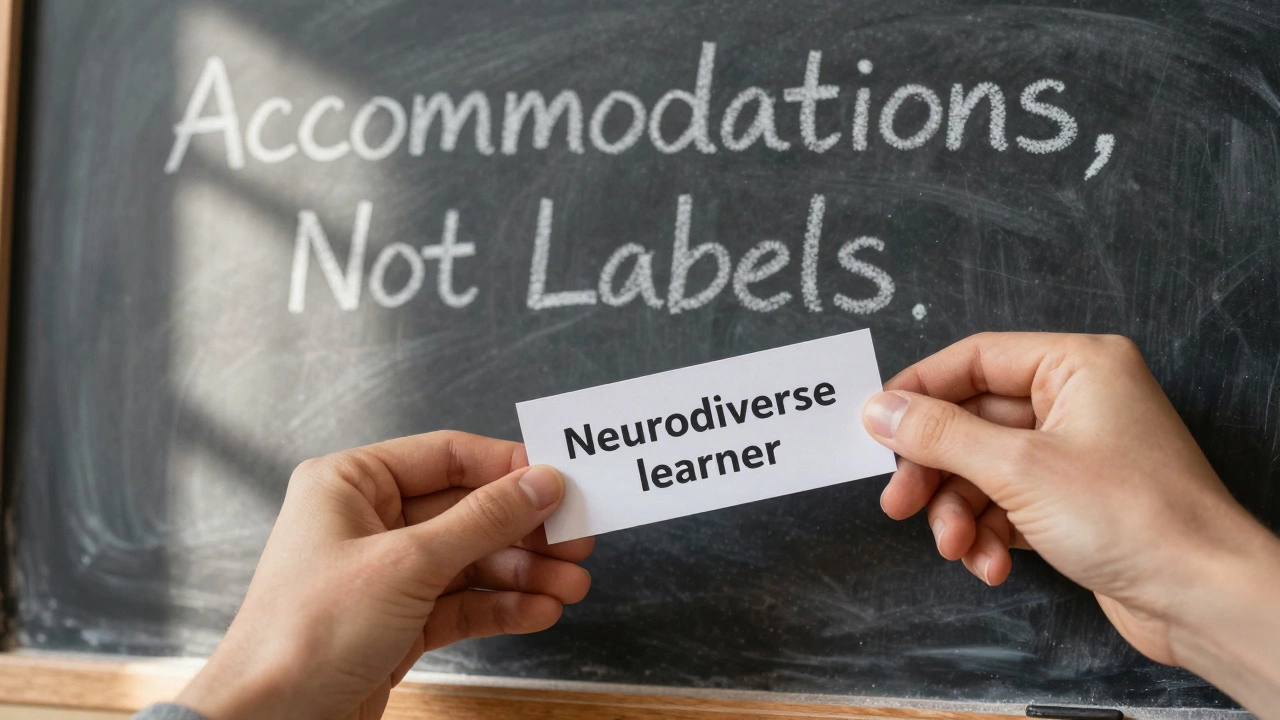
- Neurodiverse students - when discussing autism, ADHD, dyspraxia, or other neurological variations
For example, instead of: "The school has a program for students with special needs," say: "The school provides tailored learning supports for students with a range of disabilities and learning differences."
This isn’t about being politically correct. It’s about accuracy. A child with a physical disability needs ramps and elevators. A child with dyslexia needs multisensory reading instruction. These are different needs. Grouping them under "special needs" hides what actually helps.
How schools and educators are adapting
In the UK, the Department for Education stopped using "special educational needs and disabilities" (SEND) as the default label in public-facing documents in 2023. They now use "children and young people with special educational needs and/or disabilities"-longer, yes, but clearer.
Many U.S. school districts have updated their handbooks. Instead of "special needs classrooms," they now say "resource rooms" or "inclusive learning spaces." The change isn’t cosmetic. It reflects a move toward integration. Students aren’t pulled out to a separate space because they’re "special." They’re supported within general education-with adjustments.
Teachers are trained to say: "I’ve modified the assessment for Maria to account for her processing speed." Not: "Maria is in the special needs group."
Why language matters in real life
Words shape expectations. When a child is labeled "special needs," adults often lower their expectations. They assume the child can’t handle group work, can’t lead a project, can’t express opinions. But when we say "this student needs extra time to process information," we’re describing a temporary condition, not a fixed limitation.
Research from the University of Toronto in 2024 found that students described as "having a learning difference" were 40% more likely to be included in leadership roles and peer mentoring than those labeled "special needs." The difference wasn’t in the student-it was in how adults responded.
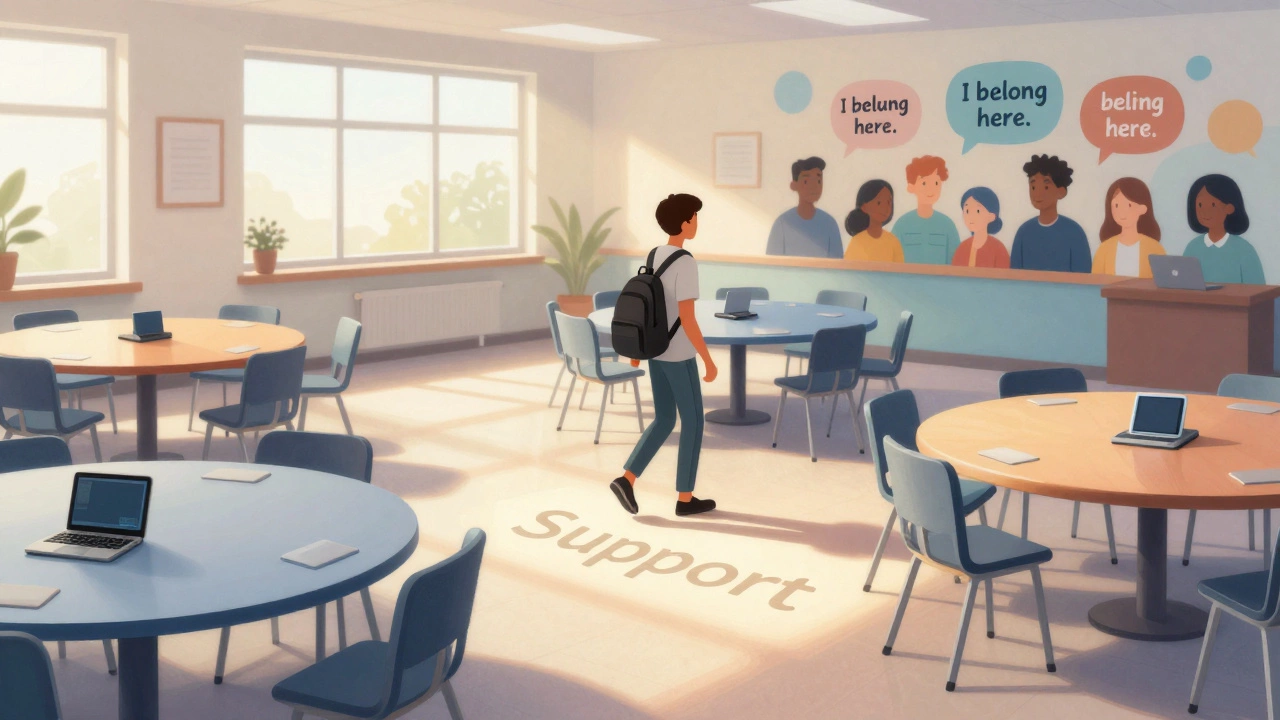
Language also affects how kids see themselves. A 2025 survey of teens with disabilities found that those whose schools used inclusive language reported higher self-esteem and stronger social connections. One 16-year-old said: "When they called me a student with ADHD instead of a special needs kid, I felt like I belonged."
What to avoid
Even well-meaning phrases can do harm. Avoid:
- "Suffers from" - no one "suffers" from being autistic or dyslexic. They may struggle with inaccessible environments, not their own neurology.
- "Wheelchair-bound" - they’re not bound. They use a wheelchair to move freely.
- "Normal" - if you say "most kids are normal," you’re implying the child isn’t.
- "Mentally challenged" - outdated and vague. Use "intellectual disability" if accurate.
- "Different" - too vague. Be specific: "has a visual impairment," "is nonverbal," "has a hearing loss."
When in doubt, ask and listen
There’s no single perfect term. The best approach is simple: ask the person or their family how they prefer to be described. If you’re writing a report or policy, use the language the community uses. The Autistic Self Advocacy Network, for example, recommends "autistic person." The National Federation of the Blind prefers "Blind person."
When you’re unsure, use neutral, accurate language: "student," "child," "individual," followed by the specific need or condition. Avoid euphemisms. Don’t say "differently abled"-it’s a buzzword that sounds nice but adds nothing real.
It’s not about perfection-it’s about respect
You won’t get it right every time. That’s okay. What matters is that you’re trying. If you accidentally say "special needs," apologize briefly, correct yourself, and move on. Don’t make a big deal. Don’t turn it into a lecture. Just say: "I meant to say student with a learning difference." Then keep going.
Language evolves. So do our values. The goal isn’t to police words. It’s to build classrooms, workplaces, and communities where everyone is seen as a whole person-not a label.
Is "special needs" offensive?
It’s not always meant to be offensive, but it’s increasingly seen as outdated and imprecise. Many people with disabilities and their families prefer more specific, person-centered language. Using "special needs" can unintentionally suggest that their needs are abnormal or separate from mainstream society. While some still use it out of habit, the trend in education, healthcare, and policy is moving toward clearer, more respectful terms.
What’s the difference between person-first and identity-first language?
Person-first language puts the person before the condition (e.g., "person with autism"). Identity-first language puts the condition first (e.g., "autistic person"). Person-first is widely used in medical and educational settings. Identity-first is preferred by many in the autism and Deaf communities because they view their condition as part of their core identity, not something separate. The key is to follow the preference of the individual or group you’re speaking about.
Can I still say "special education"?
Yes. "Special education" refers to the system of services and supports provided in schools, not the people receiving them. It’s a legal and administrative term that still has value. The issue is using "special needs" to describe students. You can say "students in special education" while also saying "students with learning differences" or "students with disabilities." The system name doesn’t need to change, but how we talk about the students does.
Why do some people say "neurodiverse"?
"Neurodiverse" describes a group of people whose brains work differently-like those with autism, ADHD, dyslexia, or Tourette’s. It frames these differences as natural variations in human thinking, not defects. The term is popular in schools and advocacy circles because it avoids pathologizing. It’s not a replacement for all terms, but it’s useful when talking about cognitive diversity in classrooms.
What if I’m writing a school policy or official document?
Use the language your district or country’s education department recommends. In the UK, it’s "children and young people with special educational needs and/or disabilities." In the U.S., the Individuals with Disabilities Education Act (IDEA) uses "children with disabilities." Be consistent. Avoid euphemisms like "differently abled" or "handicapped." Always define terms clearly in your document so everyone understands the scope.