Pre-Exam Power-Up Checklist
Don't panic. Use these last 30 minutes wisely. Follow this guided routine to calm your nerves and prime your brain for success.
Logistics & Fuel Check
Check off each item as you confirm it's ready. This reduces uncertainty and anxiety.
Box Breathing Reset
Use this if you feel panicked. Inhale, Hold, Exhale, Hold (4 seconds each).
Strategic Review Tip
You walk into the exam hall, heart pounding, palms sweaty. You spent weeks studying, maybe months. But now, with just half an hour left before the papers hit the desk, your brain feels like a browser with 50 tabs open. What do you actually do? Panic-scroll through notes? Chug another coffee? Stare at the wall? The last 30 minutes are critical, but not for the reason most students think. It’s not about cramming new facts-it’s about priming your brain and calming your nerves so what you already know can come out.
The Golden Rule: Stop Learning New Things
Here is the hard truth: trying to learn something new 30 minutes before an exam is usually a waste of time. In fact, it can backfire. Your working memory has limits. If you try to shove in a complex formula or a historical date you’ve never seen, you risk pushing out the stuff you did study. This is called cognitive overload. Instead of adding value, you’re creating noise.
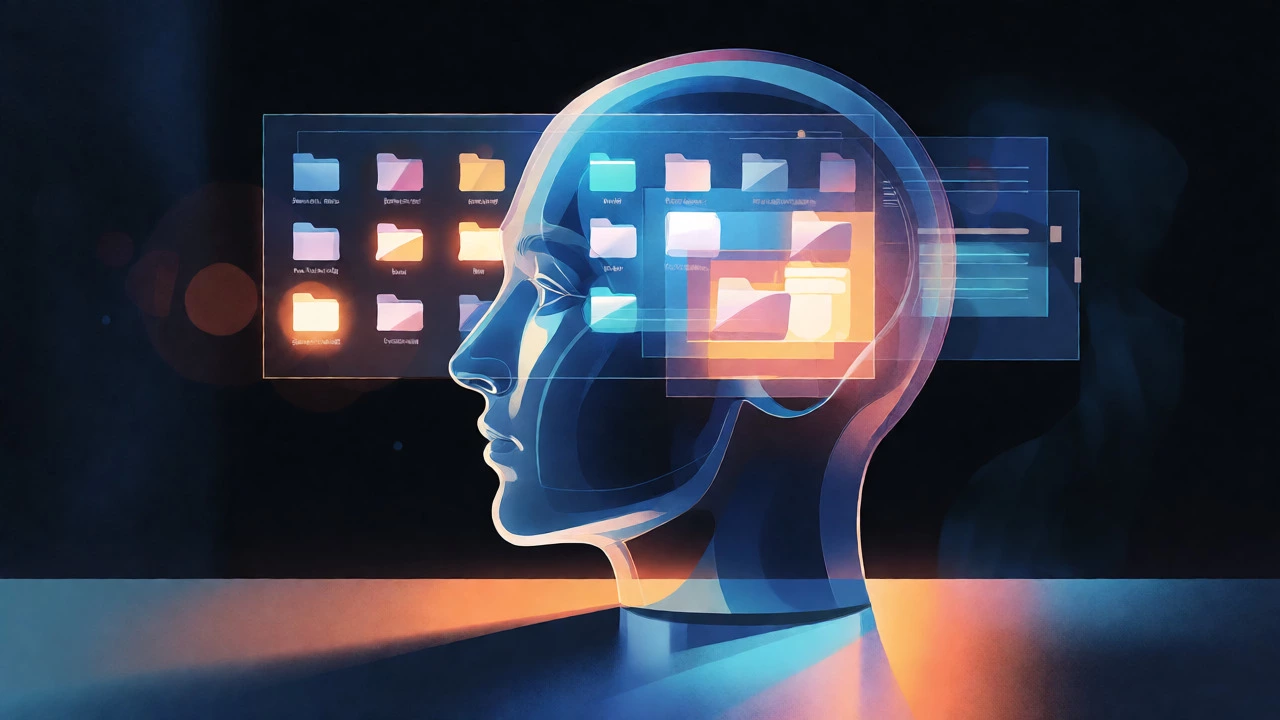
Think of your brain like a computer. You’ve installed all the software (the knowledge) over the last few weeks. The last 30 minutes aren’t for installing more programs; they’re for booting up the system and making sure the desktop icons are visible. So, put away the textbook. Close the PDFs. If you must look at notes, stick to one-page summaries or flashcards you’ve already mastered. The goal here is recall, not acquisition.
Physical Prep: Fuel and Hydration
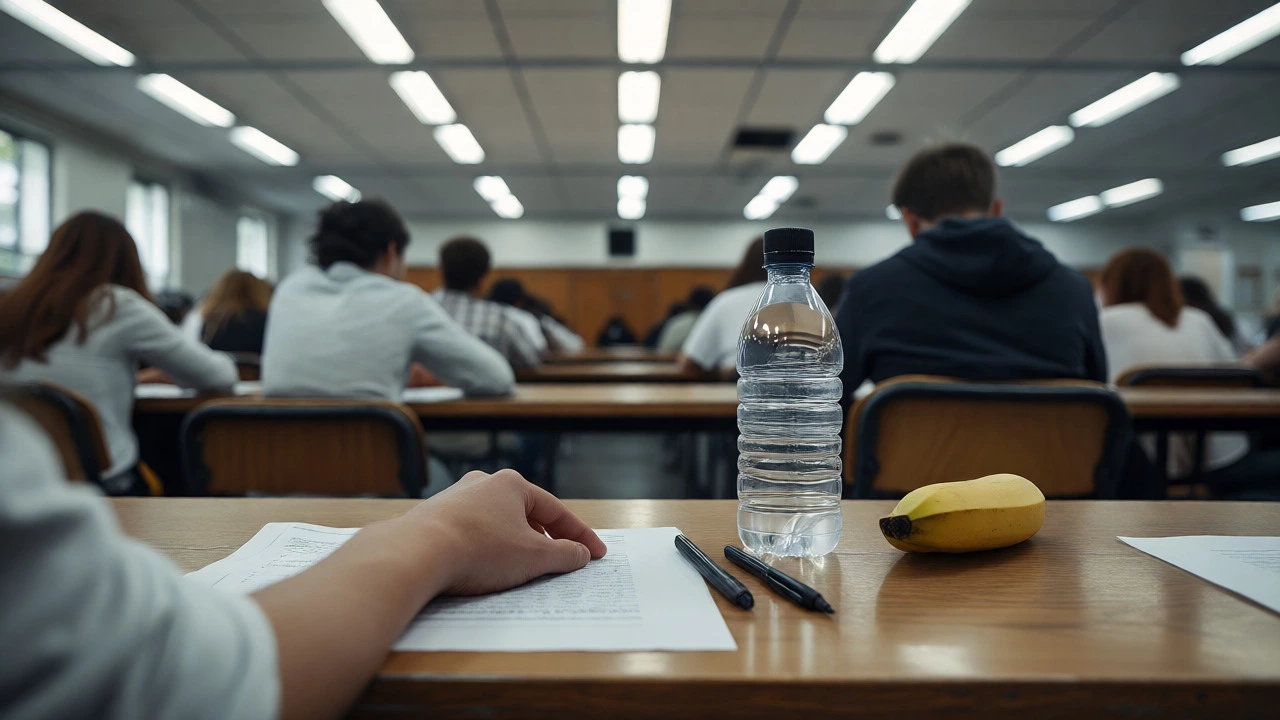
Your brain runs on glucose, but it doesn’t like sugar spikes. That candy bar you grabbed from the vending machine might give you a quick buzz, followed by a crash right when you need focus the most. Aim for slow-release energy. A banana, a handful of nuts, or a slice of wholemeal toast with peanut butter works wonders. These foods provide steady fuel without the jittery aftermath.
Hydration is equally tricky. You don’t want to be dehydrated-brain fog sets in fast-but you also don’t want to spend five minutes of your precious exam time looking for a bathroom. Sip water slowly. Don’t chug. And skip the double espresso if you’re prone to anxiety. Caffeine increases cortisol, the stress hormone. If you’re already nervous, adding caffeine is like throwing gasoline on a fire. Stick to water or herbal tea. If you absolutely need the caffeine kick, have it two hours before, not thirty minutes before.
Mental Reset: The Power of Box Breathing
Anxiety triggers the fight-or-flight response. Your body prepares to run or fight, which isn’t helpful when you need to sit still and write. To counter this, use a technique called box breathing. It’s simple, effective, and used by everyone from Navy SEALs to public speakers.
- Inhale deeply through your nose for 4 seconds.
- Hold that breath for 4 seconds.
- Exhale slowly through your mouth for 4 seconds.
- Hold your lungs empty for 4 seconds.
Repeat this cycle four or five times. It takes less than two minutes. Why does it work? It forces your parasympathetic nervous system-the "rest and digest" mode-to kick in. Your heart rate slows down, your mind clears, and you regain control. Try it while waiting outside the door. It’s invisible to others, but it changes everything internally.
Strategic Review: Activate, Don’t Absorb
Okay, so no new learning. But should you review old material? Yes, but strategically. Use the "Active Recall" method. Instead of passively reading your notes, close them and try to recite key concepts out loud or scribble them on a scrap piece of paper. If you can explain it simply, you know it. If you stumble, glance at the note, then try again immediately.
| Activity | Benefit | Risk | Verdict |
|---|---|---|---|
| Cramming new topics | None | Cognitive overload, confusion | Avoid |
| Passive reading | Familiarity | Illusion of competence | Low Value |
| Active recall (flashcards) | Strengthens neural pathways | Can cause panic if gaps found | High Value |
| Box breathing | Reduces cortisol, improves focus | None | Essential |
Focus on high-yield information. What are the big themes? The main formulas? The dates that anchor the timeline? Don’t worry about the tiny details you barely remember. Trust that the deep study sessions earlier in the week did their job. Right now, you’re just polishing the surface.
Logistics Check: Avoid Last-Minute Chaos
Nothing kills focus faster than realizing you forgot your ID card or your pen ran dry. Spend five minutes doing a physical inventory. Do you have:
- Your student ID or exam ticket?
- Two or three pens/pencils (and spares)?
- Water bottle (clear label removed if required)?
- Approved calculator (with fresh batteries)?
- Watch (analog, if digital isn’t allowed)?
Check these items twice. Once when you pack your bag, and once when you take them out. This small ritual reduces uncertainty. Uncertainty feeds anxiety. When you know your tools are ready, your mind is free to focus on the content.
Social Strategy: Who to Talk To (And Who Not To)
Before the exam, you’ll see other students. Some will be calm. Others will be frantically asking each other, "Did you revise chapter 7? I didn't revise chapter 7!" Avoid these people. Panic is contagious. Their anxiety can trigger yours, even if you were perfectly prepared.
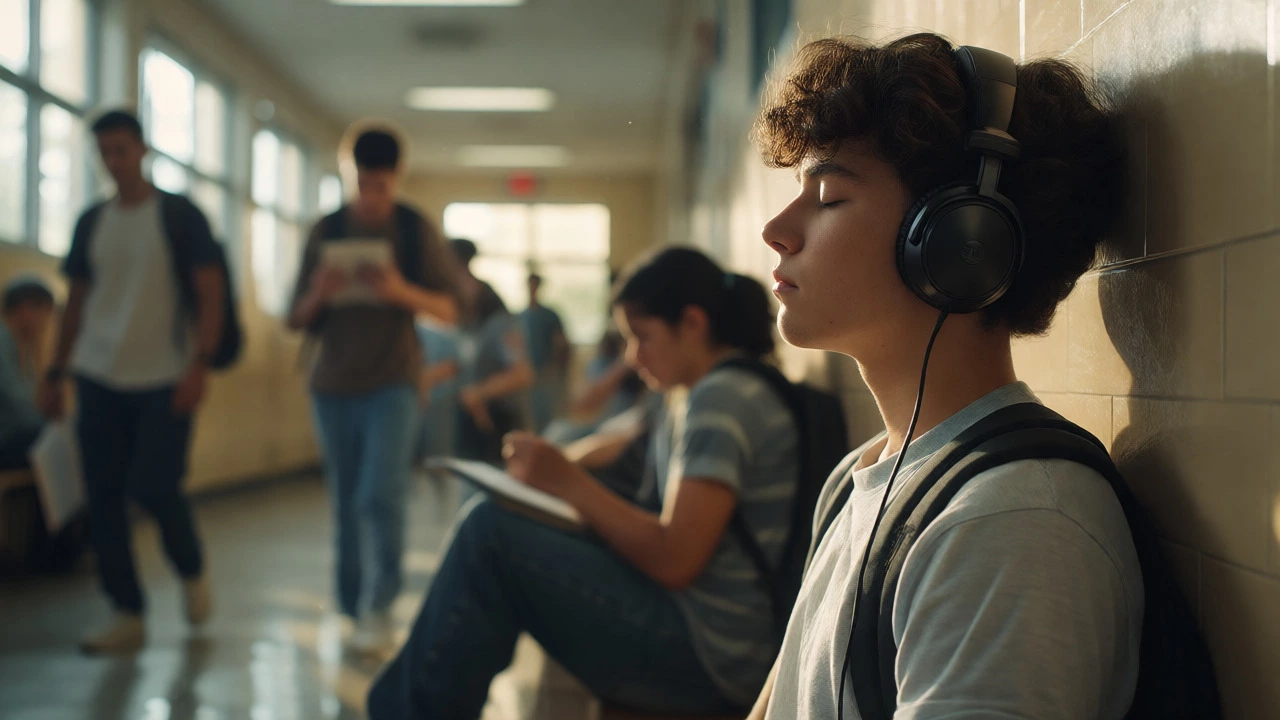
Instead, find a quiet corner. Or talk to a friend who makes you laugh. Humor releases endorphins, which combat stress. If you’re alone, listen to music. Choose instrumental tracks or songs you’ve heard many times. Avoid lyrics-heavy songs that demand cognitive processing. Put on your headphones, close your eyes, and block out the hallway chaos. Create your own bubble of calm.
The Final Minute: Visualization
As you sit down and wait for the instructions, take one last minute to visualize success. Not in a magical thinking way, but in a practical one. Imagine yourself opening the paper. Imagine scanning the questions and feeling confident because you recognize them. Imagine writing clearly and managing your time well. Athletes call this mental rehearsal. It primes your brain for the specific task ahead. You’re telling your subconscious: "We’ve done this before. We know how to handle this."
When the proctor says "Begin," take a deep breath. You’ve done the work. You’ve primed the engine. Now, trust yourself.
Should I eat before an exam?
Yes, but choose wisely. Eat a balanced meal with protein and complex carbs 1-2 hours before. In the final 30 minutes, avoid heavy meals or sugary snacks. A small snack like a banana or a few almonds is ideal to maintain blood sugar levels without causing a crash.
Is it better to revise or relax in the last 30 minutes?
A mix of both. Light active recall (reviewing known material) helps activate memory, but deep relaxation techniques like breathing exercises are crucial to lower anxiety. Avoid intense new learning, which can increase stress and confusion.
What if I feel panicked right before the exam starts?
Use grounding techniques. Box breathing (inhale 4s, hold 4s, exhale 4s, hold 4s) is highly effective. Also, try the 5-4-3-2-1 method: identify 5 things you see, 4 you can touch, 3 you hear, 2 you smell, and 1 you taste. This brings you back to the present moment.
Should I drink coffee before an exam?
If you are a regular coffee drinker, yes, but keep it moderate. If you rarely drink coffee, avoid it entirely as it may cause jitters or stomach issues. Ideally, consume caffeine 60-90 minutes before the exam, not in the final 30 minutes, to allow the effects to stabilize.
What should I do if I forget my revision notes?
Don’t panic. You likely know more than you think. Use the time to mentally outline the main topics. Focus on recalling key definitions or formulas from memory. If possible, borrow a summary sheet from a trusted classmate, but only if it doesn’t cause you additional stress.