Distance Learning Evolution Timeline
Explore how the method of learning evolved over 180 years. Select an era below to see the technology, delivery methods, and key milestones.
Choose an Era
The Postal Origins
Primary Technology
Postal Service & Paper
Delivery Method
Printed Lessons & Mail-In Tests
Experience Today vs Then
It is easy to assume that Distance Learning is a modern invention born from the 2020 pandemic. When schools closed globally and everyone hopped onto video calls, it felt like overnight innovation. However, the history of studying away from a physical classroom stretches back much further than Zoom or Microsoft Teams. Understanding this timeline reveals that remote education has evolved through several distinct phases, driven by printing technology, broadcast media, and finally, the internet.
The Postal Origins: 1840s to 1900s
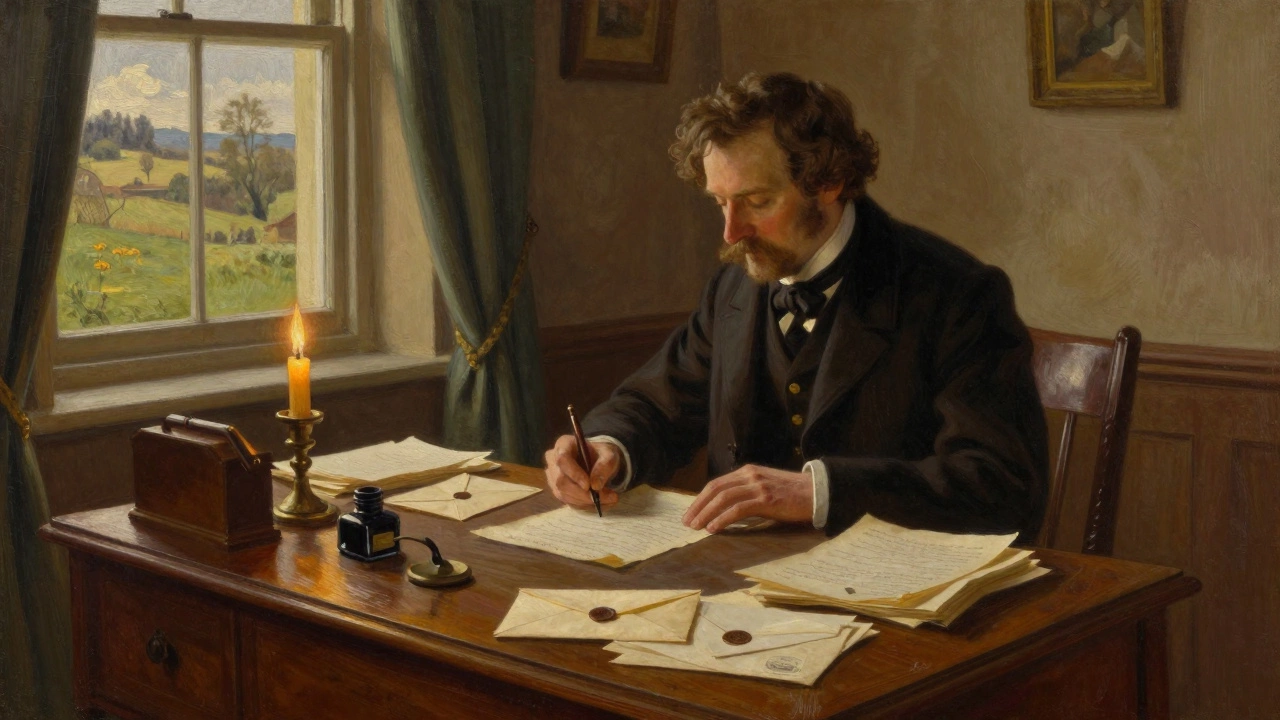
The earliest form of remote education relied entirely on the postal service. Before electricity powered radios or computers, paper was the primary delivery method for lessons. In the mid-19th century, Correspondence Courseseducational programs delivered via mail became the first standardized model. Inventors and educators realized they could teach skills by sending written materials to students who mailed their assignments back for grading.
Isaac Pitman is often credited as a pioneer here. In London, he taught shorthand using phonetic spelling systems sent through the mail. Students received weekly packets, learned the material, and returned work for correction. By the late 1800s, organizations like Chautauqua in the United States expanded this model. They offered religious and literary education to people living in rural areas where universities were nonexistent. This proved that geography does not have to dictate access to knowledge.
Broadcasting Knowledge: Radio and Television
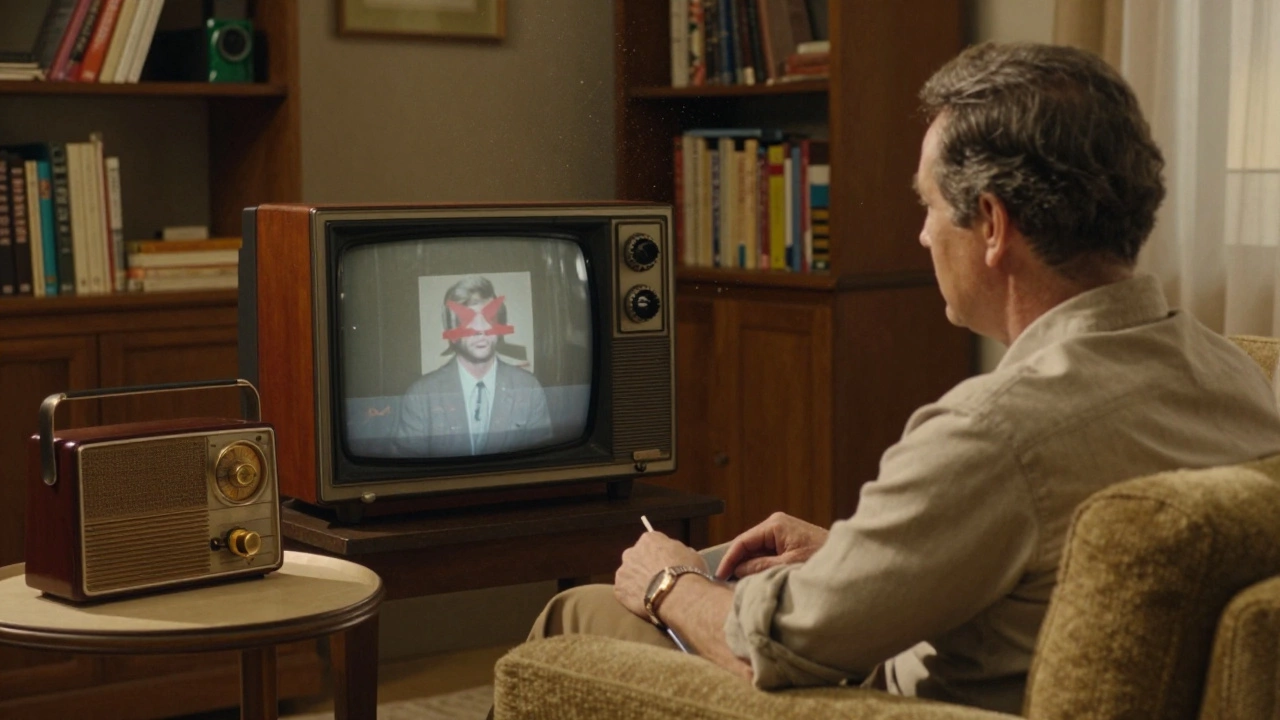
Before the internet took center stage, mass media filled the gap between home and school. During the early 20th century, radio waves allowed educators to transmit lectures simultaneously to thousands of listeners. This was a significant shift from the slow pace of mail delivery. Students could listen live to professors, making the experience feel more immediate despite the physical separation.
Television arrived to add visual components to these lessons. However, the most famous milestone in this era remains the launch of the Open UniversityUnited Kingdom's first distance learning university in 1969. Based in the UK, it was designed specifically for adults who had missed out on traditional schooling. They combined television broadcasts with printed study guides and local tutorial groups. This model showed that structured academic degrees could be achieved entirely through non-traditional attendance.
| Era | Technology Used | Primary Delivery Method |
|---|---|---|
| 1840-1900 | Postal Service | Printed Lessons & Mail-In Tests |
| 1900-1960 | Radio & TV | Broadcast Lectures |
| 1990-2000 | Internet (Web) | Email & Early Web Portals |
| 2010-Present | High-Speed Cloud | Video Streaming & LMS Platforms |
The Digital Turn: Internet and LMS
The real transformation began when the World Wide Web became public in the early 1990s. Suddenly, information exchange didn't require waiting days for a reply. Learning Management Systems (LMS) emerged as the central hub for digital classrooms. Tools like WebCT allowed instructors to post syllabus, assignments, and discussion boards online. Students could log in at any time, which introduced flexibility that radio or television simply could not offer.
This era saw universities digitize their archives. Instead of buying heavy textbooks, students accessed PDFs and interactive modules. In the late 1990s, companies like Blackboard developed software specifically to manage course logistics. These platforms became the backbone for nearly every college offering online options by the mid-2000s. It shifted the focus from just "correspondence" to active community building online through forums and chat rooms.
The MOOC Revolution
A major tipping point occurred around 2012 with the rise of Massive Open Online Courses (MOOCs)free educational courses available online. Organizations like Coursera, edX, and Udacity launched platforms allowing anyone with an email address to enroll in university-level classes. These were not just correspondence letters; they were full multimedia experiences recorded by top professors.
This democratized higher education significantly. For the first time, a learner in Kenya could take a computer science class from MIT without paying tuition. While certification often cost money, the core learning materials were free. This broke down financial barriers alongside geographical ones. It pressured traditional universities to create their own online certificates, creating a hybrid ecosystem where digital badges competed with physical diplomas.
Pandemic Adoption and Post-2020 Reality
While the infrastructure existed, widespread cultural adoption waited until global events forced a change. Between 2020 and 2023, nearly every education sector moved to remote operations overnight. This period acted less as an invention of new tools and more as a stress test for existing ones. Video conferencing tools became essential utilities rather than optional extras.
By 2026, the conversation has shifted from "if" we learn remotely to "how." Hybrid models are now standard. Many institutions keep physical campuses for networking but deliver coursework digitally. The stigma surrounding online degrees has largely vanished. Employers now view technical proficiency with digital collaboration tools as a baseline skill requirement.
Current Trends and Future Outlook
Looking toward the near future, Artificial Intelligencecomputer systems performing intelligent tasks integration is reshaping personalized learning paths. Adaptive algorithms adjust lesson difficulty based on student performance. This returns us to the ideal of tutoring seen in the 1840s but scales it infinitely.
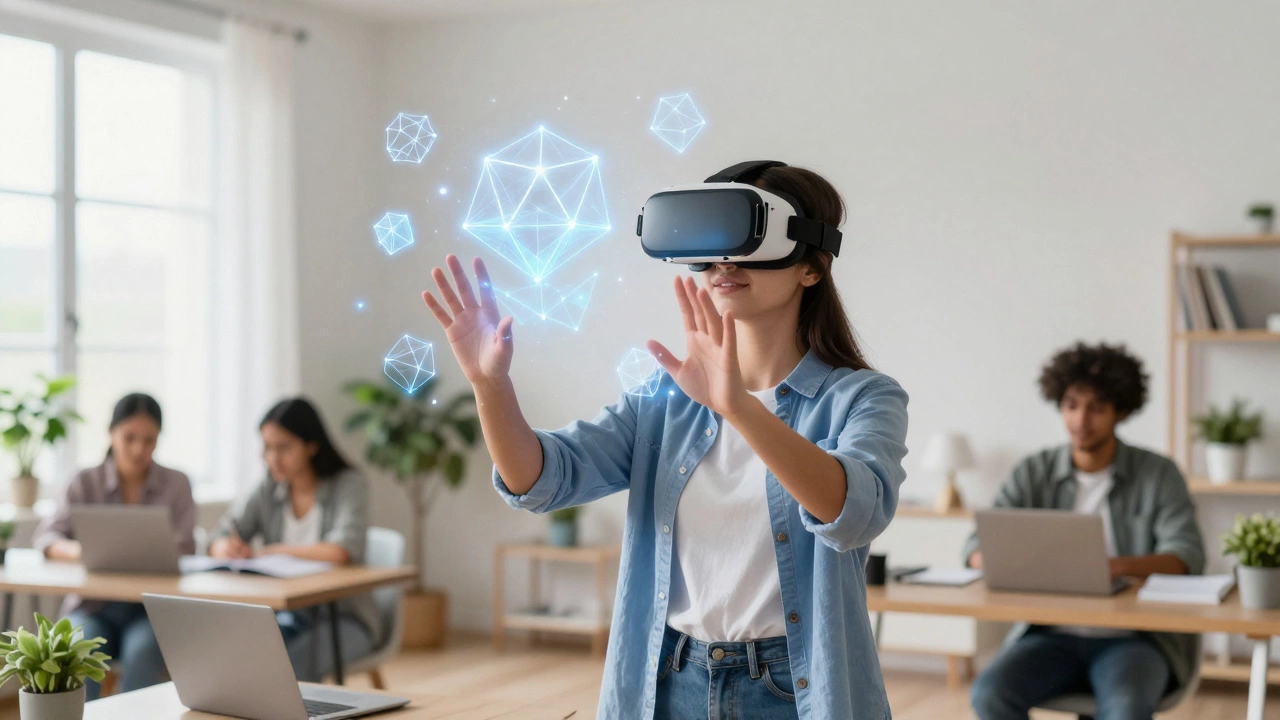
Virtual Reality (VR) is also entering the mix for practical subjects. Medical students can perform virtual surgeries, and engineering students can manipulate 3D models in space. This solves the long-standing complaint that some hands-on skills cannot be learned online. As hardware becomes cheaper, these immersive environments will likely become as common as desktop monitors are today.
Who officially invented distance learning?
There is no single inventor, but Isaac Pitman is widely recognized for establishing the first successful correspondence course system in London during the 1840s using the postal service.
When did the Open University start?
The Open University in the United Kingdom officially opened its doors in 1969, becoming the world's first degree-granting institution dedicated to distance learning methods.
How did MOOCs change education in 2012?
MOOCs introduced the concept of free, high-quality university courses accessible to millions simultaneously, removing financial barriers and popularizing self-paced online learning.
Did distance learning exist before the internet?
Yes, for over a hundred years before the internet, education was delivered through mail correspondence, radio broadcasts, and television sets.
What is the biggest difference between past and current distance learning?
The biggest difference is interactivity. Modern platforms allow real-time feedback and discussion, whereas older models relied heavily on delayed mail or one-way broadcasts.