
⏱ Tutoring Session Optimizer
1. Select Subject Area
2. Set Session Duration
3. Weekly Frequency
Optimization Report
Analyzing Math & Physics strategy...
This duration allows for full review, instruction, and practice cycles.
Recommended Structure for This Hour:
- First 10 mins: Review previous material
- Middle 30 mins: Core instruction & examples
- Last 20 mins: Independent practice
Imagine you’re sitting in a car, trying to learn a new language by listening to a podcast. After one hour, do you feel fluent? Probably not. You might know a few words, but the grammar is still fuzzy. Now, imagine that same experience happening in a classroom or a tutoring session is a structured educational interaction where a tutor provides personalized instruction to a student. The question isn't just about time; it's about what happens during that time.
Parents often ask if one hour is enough to fix a failing grade or boost confidence. The short answer is: it depends on the goal. If you want a quick fix, maybe. If you want deep understanding and long-term retention, one hour is a starting point, not a finish line. Let’s break down how to make that single hour count, and when you might need more.
The Science of Attention Spans
Your brain doesn’t work like a hard drive where you can just dump data. It works like a muscle that gets tired. For most teenagers and adults, focused attention lasts about 20 to 30 minutes before fatigue sets in. This is why a solid 60-minute session is the standard duration for many private tutoring engagements. It’s long enough to get into the flow but short enough to avoid burnout.
If you stretch a session to two hours without breaks, the last 30 minutes are often wasted. The student is physically present but mentally checking out. So, is one hour enough? Yes, if it’s well-structured. No, if the tutor spends the first 15 minutes small talking and the last 10 minutes wrapping up vaguely.
What Actually Happens in an Effective Hour?
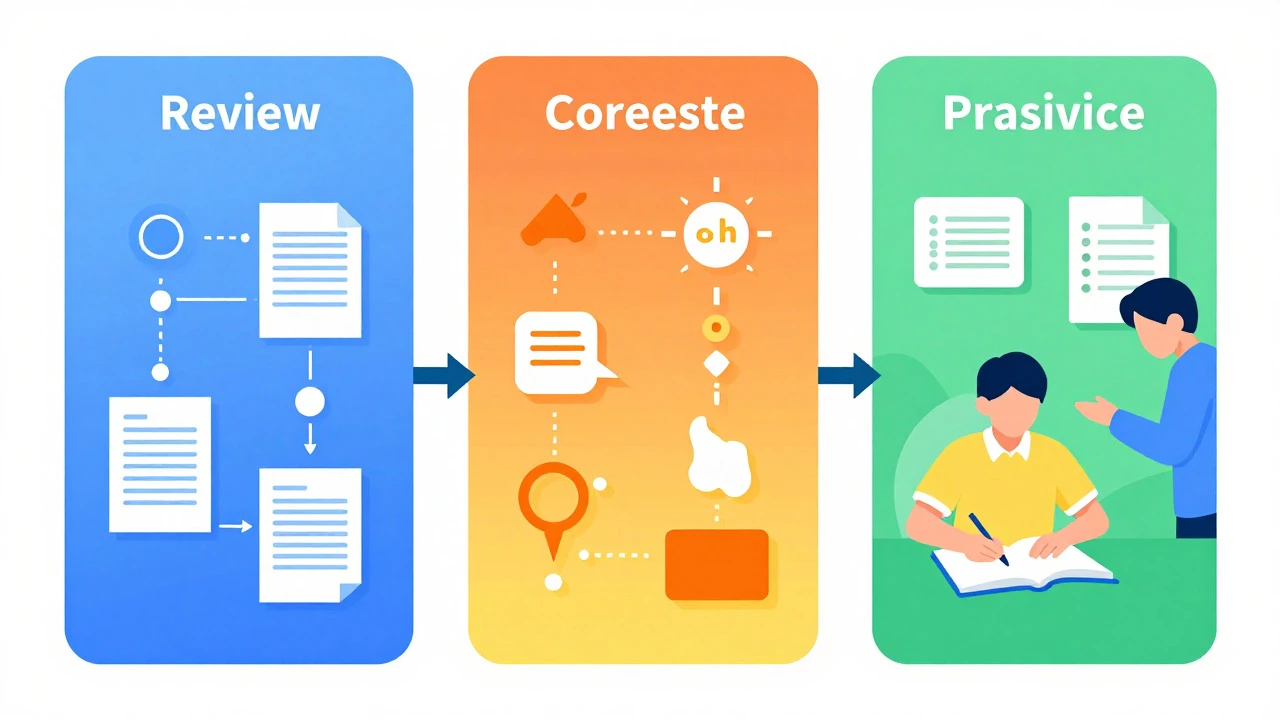
To judge if an hour is sufficient, look at the structure. A high-quality session usually follows a specific rhythm. Here is what a productive 60 minutes looks like:
- First 10 minutes: Reviewing previous material. This activates memory and connects old knowledge to new concepts.
- Next 30 minutes: Core instruction. This is where new topics are explained, examples are worked through, and questions are asked.
- Last 20 minutes: Active practice. The student solves problems independently while the tutor guides. This is crucial for skill acquisition is the process of developing the ability to perform a task effectively.
If your tutor skips the review phase, they are ignoring the foundation. If they skip the independent practice, the student learns by watching, not doing. Both mistakes make the hour less effective than it could be.
Subject Matter Matters
Not all subjects require the same depth of time. Math and science often need longer sessions because problem-solving is iterative. You have to try, fail, adjust, and try again. In contrast, languages or essay writing might benefit from shorter, more frequent sessions to build habit and fluency.
| Subject Category | Recommended Session Length | Frequency | Reason |
|---|---|---|---|
| Mathematics & Physics | 60-90 minutes | 1-2 times per week | Complex problem-solving requires sustained focus and multiple attempts. |
| Languages (Spanish, French, etc.) | 45-60 minutes | 2-3 times per week | Frequent exposure builds vocabulary and conversational fluency better than rare long sessions. |
| Essay Writing & Humanities | 60 minutes | Once per week | Focuses on structure, argumentation, and feedback cycles. |
| Exam Preparation (GCSE/A Level) | 90 minutes | 1-2 times per week | Requires timed practice under pressure and detailed marking schemes. |
Notice the pattern? Consistency beats intensity. Two 30-minute sessions a day are often better than one 3-hour marathon on Sunday. The brain consolidates information during sleep and rest periods between sessions.
When One Hour Isn't Enough
There are specific scenarios where a single hour feels insufficient. First, if the student has significant gaps in foundational knowledge. Trying to teach calculus to someone who struggles with fractions is like building a second floor without a foundation. You need extra time to backfill basics before moving forward.
Second, if the goal is rapid exam preparation. If the exam is in two weeks, you need to cover syllabus breadth quickly. In this case, 60 minutes might only allow you to review one topic. You might need 90 minutes or twice-weekly sessions to cover ground efficiently.
Third, consider the student’s learning style. Some students process information slowly but deeply. They need more time to ask questions and reflect. Others are fast processors who grasp concepts quickly but need more practice to maintain accuracy. A good tutor adjusts the pace within the hour, but sometimes the hour itself needs to expand.
Maximizing the Value of Your Time
You don’t always need more hours; you need better hours. Here are practical tips to ensure every minute counts:
- Set Clear Goals: Before each session, tell the tutor exactly what needs to be covered. "We need to master quadratic equations" is better than "Help me with math."
- Prepare Materials: Ensure the student has their homework, past papers, and notes ready. Wasting 10 minutes finding books kills momentum.
- Ask for Homework: The tutor should assign specific tasks for the next session. This bridges the gap between meetings and reinforces learning.
- Review Progress: Every month, ask for a brief summary of progress. Is the student retaining information? Are grades improving? If not, adjust the strategy.
Think of tutoring as a partnership. The tutor brings expertise, the student brings effort, and the parent brings oversight. When all three align, even a single hour can create significant momentum.
Cost vs. Benefit Considerations
Money is a real factor. Private tutoring rates vary widely, but generally, you pay for expertise and time. If you hire a specialist for 90 minutes, you’re paying for 50% more time. Is it worth it? Only if the extra 30 minutes address a specific bottleneck. If the student is struggling with confidence, a shorter, more encouraging session might be better than a long, intense drill.
Compare the cost of an hour of tutoring against the cost of repeating a year or missing university entry requirements. In those high-stakes situations, investing in more time is usually justified. For general maintenance or enrichment, one hour is often the sweet spot for budget and effectiveness.
Signs Your Current Setup Is Working
How do you know if one hour is actually enough? Look for these indicators:
- The student arrives at sessions prepared and engaged.
- Grades improve steadily over 4-6 weeks.
- The student starts asking questions in regular classes.
- Homework completion rate increases.
- The student expresses less anxiety about the subject.
If you see these signs, stick with the current format. If you see stagnation after six weeks, it’s time to evaluate whether the issue is the tutor’s method, the student’s engagement, or simply the need for more time.
Frequently Asked Questions
Is 30 minutes of tutoring too short?
For complex subjects like advanced math, yes. Thirty minutes is often just enough to warm up. However, for language conversation practice or quick concept reviews, 30 minutes can be highly effective if done frequently.
How many hours of tutoring does a struggling student need?
It varies, but most experts recommend starting with two 60-minute sessions per week for at least four weeks. This allows enough repetition to close knowledge gaps without overwhelming the student.
Does online tutoring require longer sessions than in-person?
Not necessarily. Online sessions can be just as effective, but they require stronger digital discipline. Some students focus better online for shorter bursts, while others prefer the physical presence of an in-person tutor for accountability.
What is the best time of day for a tutoring session?
After school, around 4:00 PM to 6:00 PM, is often ideal. The student has finished their day but hasn’t yet started dinner or evening relaxation. Avoid late evenings when fatigue peaks.
Can I cancel a session if my child is sick?
Most tutors offer a cancellation policy, typically requiring 24 hours' notice. Always clarify this before booking. Many tutors will reschedule rather than charge, especially for illness.