Homeschooling Suitability Checker for ADHD
Answer the following questions honestly to see how well your family's situation aligns with the common success factors for homeschooling children with ADHD.
1. Child's Profile
2. Parental Capacity & Structure
Your Assessment
You’ve probably heard the horror stories. The classroom is loud, the teacher moves too fast, and your child with ADHD is drowning in a sea of worksheets while trying not to fall out of their chair. It’s exhausting for them, and frankly, it’s exhausting for you as a parent watching from the sidelines. So, when the idea of pulling them out of school pops up, it feels like a lifeline. But is homeschooling actually better for ADHD, or is it just swapping one set of challenges for another?
The short answer? It depends entirely on how you structure it. For some kids, the freedom of home learning unlocks potential that was buried under school rules. For others, the lack of external structure leads to chaos. Let’s break down what actually happens when you take this path, using real-world insights rather than just theoretical ideals.
Why Traditional Schools Often Fail Kids With ADHD
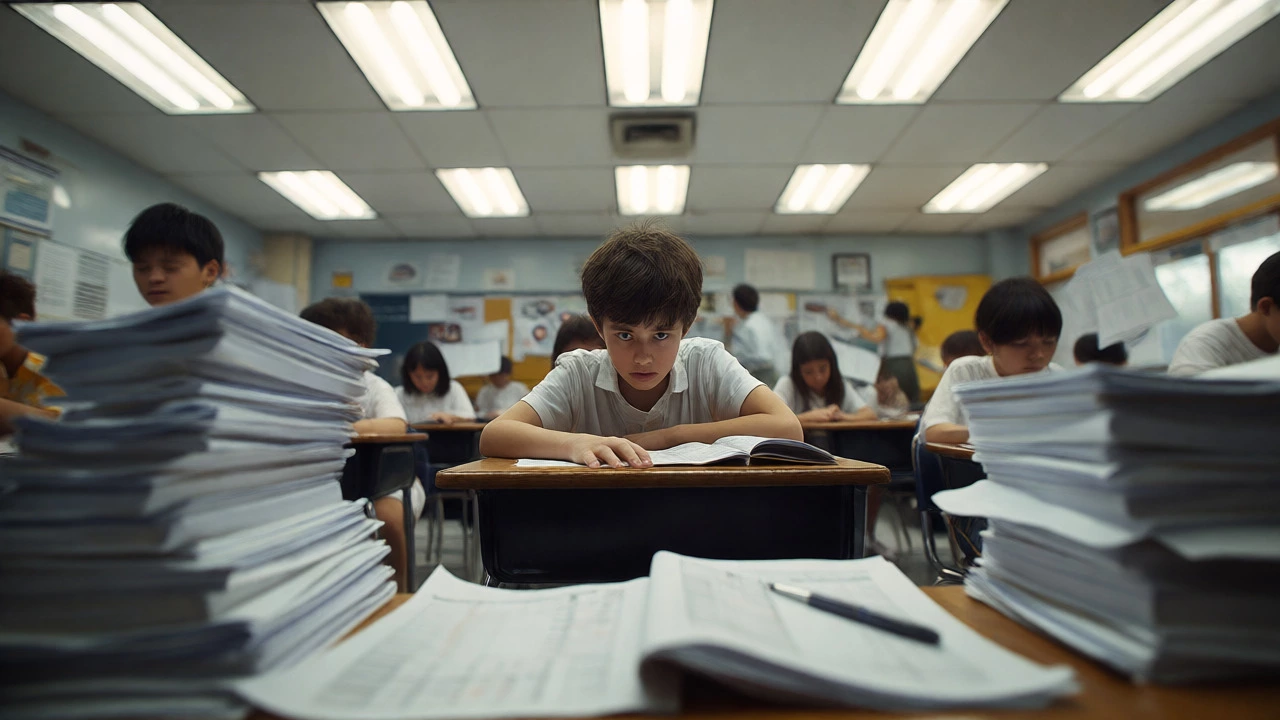
To understand if homeschooling is better, we first need to look at why standard schooling is so hard for neurodivergent brains. Most classrooms are designed for the average learner: sit still, listen for forty minutes, raise your hand to speak, and follow a rigid schedule. If your child has Attention Deficit Hyperactivity Disorder, these aren’t just rules; they’re constant battles against their own biology.
In a typical Irish primary or secondary school, the noise level alone can be overwhelming. Fluorescent lights hum, chairs scrape, and twenty other students are breathing, moving, and talking. For a child with sensory processing issues, which often accompany ADHD, this creates cognitive overload. Their brain spends so much energy filtering out distractions that they have little left for actual learning. You might see a child who looks "zoned out" or "lazy," but internally, they are fighting a war just to stay present.
Furthermore, the pacing is rarely personalized. If your child grasps math quickly but struggles with reading comprehension, the class moves at an average speed. They get bored during the parts they know (leading to acting out) and lost during the parts they don’t (leading to shutdowns). This mismatch creates anxiety, which worsens ADHD symptoms. It becomes a vicious cycle where behavioral issues lead to punishment, which lowers self-esteem, making focus even harder.
The Case for Structure at Home
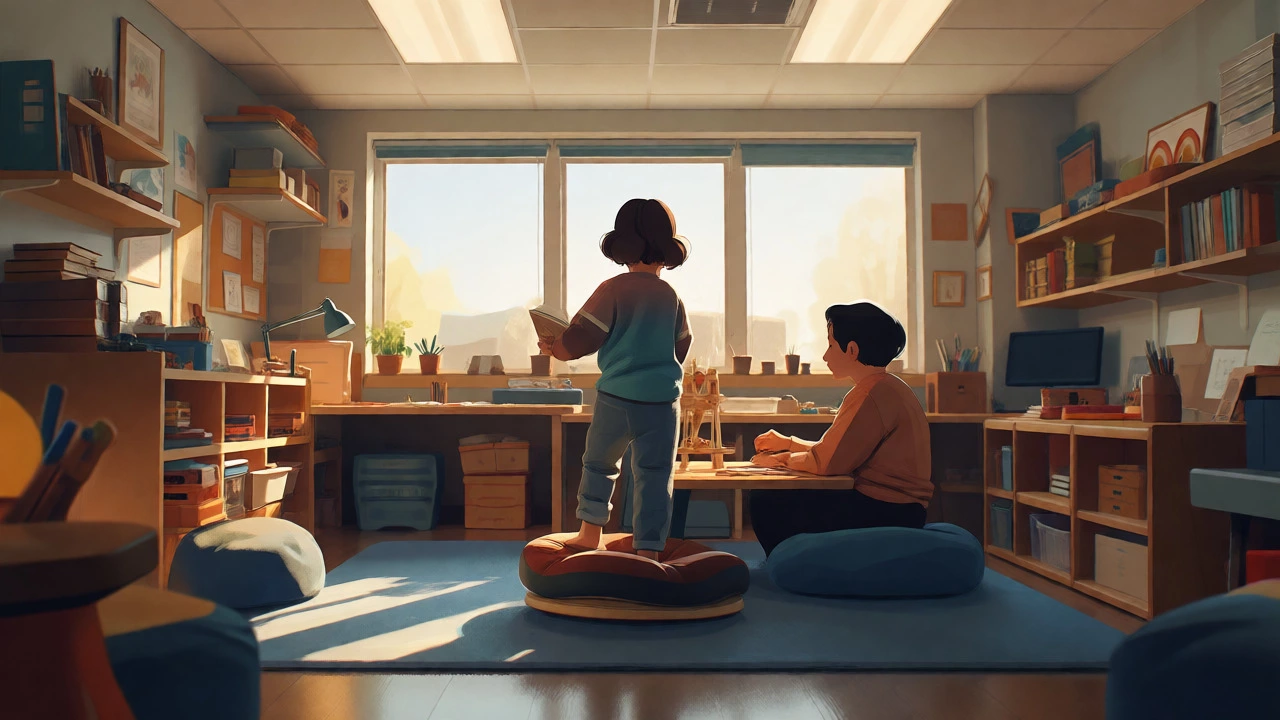
Homeschooling removes the sensory battlefield. You control the environment. You can turn off the lights, play white noise, or let your child stand up while they work. This autonomy is huge. When you remove the external pressure to conform to a neurotypical mold, many children with ADHD find their natural curiosity returns.
Consider the flexibility of timing. Some kids with ADHD are hyper-focused in the morning; others hit their stride in the late afternoon. In school, you learn algebra at 9 AM whether you’re ready or not. At home, you can shift the difficult subjects to when their brain is most alert. This isn’t about being lazy; it’s about working *with* their circadian rhythms and attention cycles. Many parents report that their children complete two hours of focused work at home in less time than they accomplished in a full day at school.
Another major benefit is the ability to tailor the curriculum. If your child loves dinosaurs, you can teach history, science, and writing through the lens of paleontology. This interest-based learning triggers dopamine, the neurotransmitter that ADHD brains struggle to regulate. Instead of forcing engagement, you leverage it. The result is deeper retention and less resistance.
The Hidden Pitfalls of Homeschooling ADHD
It’s not all sunshine and project-based learning, though. The biggest risk with homeschooling an ADHD child is the loss of external structure. School provides a rigid framework: bells ring, teachers give instructions, and peers provide social pressure. Remove that, and you have to build it yourself.
If you don’t create a clear routine, days can blur together. Without a fixed start time, mornings can stretch into noon. Without deadlines, projects can drag on indefinitely. Parents often become the "bad cop," constantly nagging to get tasks done, which strains the parent-child relationship. You stop being Mom or Dad and start being the manager. If you’re already feeling burnt out, adding the role of teacher and administrator can be crushing.
Socialization is another concern people bring up, but it’s often misunderstood. Yes, your child won’t have the built-in peer group of a classroom. However, sitting next to thirty kids who don’t share your interests isn’t true socialization. Real social skills come from interacting with diverse groups in low-stakes environments. If you isolate your child at home without planning outings, clubs, or co-ops, they may miss out on learning how to navigate complex social dynamics. But if you actively seek out communities-like scouting groups, sports teams, or hobby classes-the social experience can actually be richer and more supportive than a chaotic playground.
Legal and Practical Realities in Ireland
If you’re considering this move in Ireland, you need to know the legal landscape. Unlike some countries, you don’t need permission to homeschool here, but you do have obligations. The Education Act 1998 states that parents must provide a suitable education for their child. You don’t need to follow the national curriculum exactly, but you must demonstrate that your child is receiving an education appropriate to their age, aptitude, and family circumstances.
You will likely receive a visit from an Educational Welfare Officer (EWO). Don’t panic. This isn’t an inspection like in a state school. It’s usually a friendly chat to see what you’re doing. Having a portfolio of your child’s work-a few journals, photos of projects, or reading logs-is usually enough to satisfy them. The key is consistency. Showing that you have a plan, even if it changes weekly, goes a long way.
Financially, homeschooling means one parent might reduce work hours or quit entirely. This is a significant factor. Can you afford the drop in income? Additionally, you’ll spend money on resources, materials, and potentially tutors for subjects you’re weak in. It’s not free, despite the myth. Factor in the cost of textbooks, online subscriptions, and extracurricular activities before you decide.
Who Thrives Best in a Homeschool Environment?
Not every child with ADHD should be homeschooled. Some thrive in the structured, high-energy environment of a school with good support staff. So, who benefits most?
- The Sensory-Sensitive Child: If your child melts down due to noise, light, or crowds, home offers a sanctuary where they can regulate their nervous system.
- The High-IQ Underachiever: Children who are gifted but bored by the pace of school often disengage completely. Homeschooling lets them accelerate through easy material and dive deep into complex topics.
- The Anxious Learner: If school causes severe anxiety or somatic symptoms (stomach aches, headaches), removing the stressor can allow learning to resume.
- The Late Developer: Some boys, in particular, mature later socially and emotionally. Staying home allows them to develop confidence without being compared to peers who are further along developmentally.
Conversely, if your child thrives on peer competition, needs constant external validation, or has a parent who struggles with executive function themselves, homeschooling might add more stress than it solves.
Building a Framework That Works
If you decide to try it, don’t wing it. Structure saves sanity. Here’s a practical approach to setting up a homeschool day for an ADHD brain:
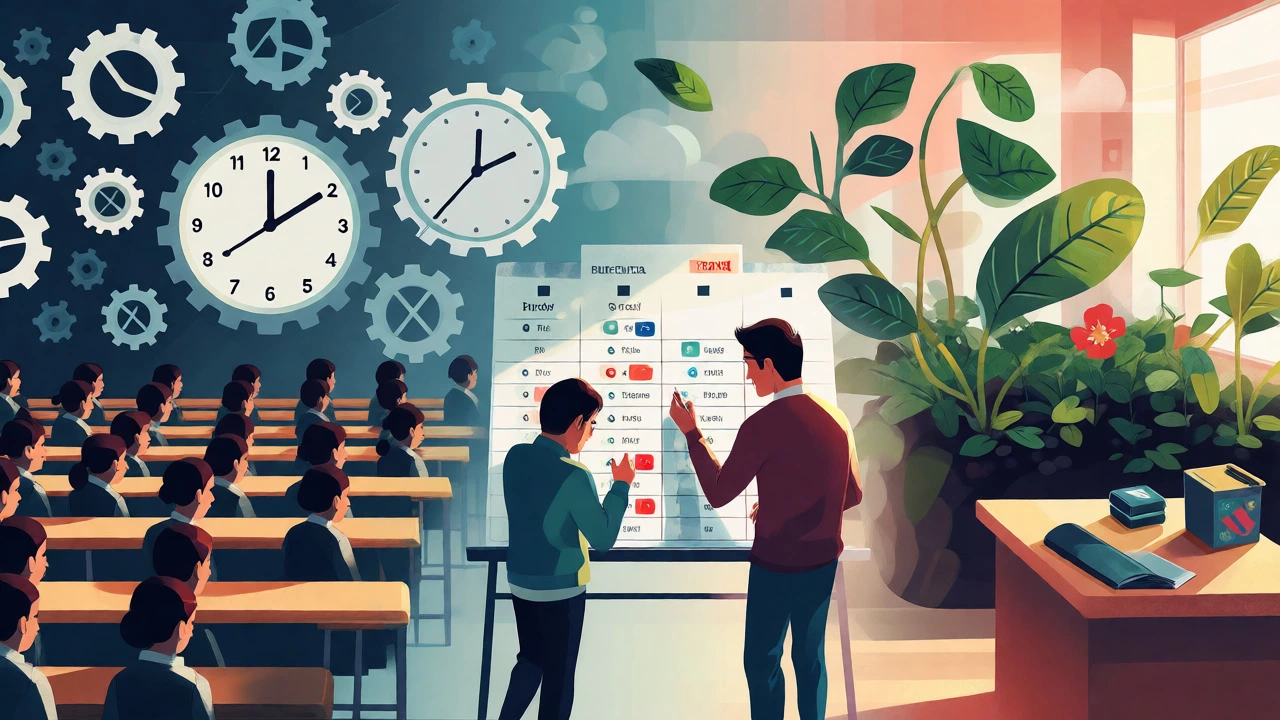
- Visual Schedules: Use a whiteboard or app to outline the day. Checkboxes provide a dopamine hit when tasks are completed.
- Pomodoro Technique: Break work into 15-20 minute chunks followed by 5-minute movement breaks. ADHD brains often can’t sustain focus for an hour straight.
- Movement Integration: Allow fidget tools, standing desks, or walking while listening to audiobooks. Physical activity boosts dopamine and norepinephrine, improving focus.
- Interest-Led Core: Anchor lessons around their passions. Love Minecraft? Teach geometry and resource management through it.
- Weekly Review: Spend Sunday evening planning the week together. Let the child choose the order of subjects. Autonomy increases buy-in.
Remember, perfection is the enemy. Some days will be messy. That’s okay. The goal is progress, not a perfect Instagram-worthy lesson plan.
| Feature | Traditional School | Homeschooling |
|---|---|---|
| Environment Control | Low (fixed lighting, noise, seating) | High (adjustable to sensory needs) |
| Pacing | Fixed (class average) | Flexible (child-led acceleration) |
| Structure Source | External (bells, teachers) | Internal/Family (routines, parents) |
| Social Interaction | Constant, unstructured peer exposure | Curated, intentional community building |
| Parental Burden | Lower (delegated to teachers) | Higher (planning, teaching, admin) |
Frequently Asked Questions
Does homeschooling cure ADHD?
No, homeschooling does not cure ADHD. It is a neurodevelopmental condition that persists regardless of the educational setting. However, homeschooling can significantly reduce the negative impacts of ADHD on academic performance and self-esteem by providing an environment that accommodates the child's specific needs.
Will my child fall behind academically?
Many homeschooled children keep pace with or exceed their grade-level peers, especially in areas of interest. Because they can spend more time on challenging concepts and skip mastered ones, efficiency often increases. Regular assessments and portfolios help track progress to ensure no gaps remain.
How do I handle socialization concerns?
Active participation in local groups is key. Join homeschool co-ops, sports leagues, library clubs, or art classes. These settings offer smaller, more controlled social interactions than large classrooms, allowing children with ADHD to practice social skills without being overwhelmed.
Do I need to be a qualified teacher?
In Ireland, you do not need to be a certified teacher to homeschool. You need to be committed to providing a suitable education. Many parents use online curricula, hire tutors for specific subjects, or join co-ops where different parents teach their strengths.
What if it doesn't work out?
Homeschooling is reversible. If you find that the lack of structure is hurting your child, or if parental burnout becomes unsustainable, you can return to traditional schooling. Keeping records of your child’s progress makes the transition smoother for admissions officers.