ADHD Defiance: Understanding Behavior in Young Children
When a child with ADHD, a neurodevelopmental condition that affects attention, impulse control, and emotional regulation. Also known as attention deficit hyperactivity disorder, it doesn't mean a child is being defiant on purpose—they're struggling to manage how their brain processes demands, transitions, and frustration. What looks like disobedience is often an overload response. Kids with ADHD don’t have the same mental brakes as others. When you ask them to stop playing and line up, their brain doesn’t shift gears smoothly. They aren’t choosing to argue—they’re overwhelmed.
This is why defiance, a pattern of resistance or refusal to comply with requests, often mistaken for willful misbehavior in preschoolers with ADHD is so common. It’s not about power struggles. It’s about sensory overload, difficulty with verbal instructions, and delayed emotional regulation. A child who refuses to put on shoes isn’t being stubborn—they might be stuck in a loop of sensory discomfort or can’t remember the next step. Teachers and parents who see this as a behavior issue, not a neurological one, often respond with punishment. That only makes things worse. What works instead? Clear, simple routines. Visual cues. Extra time. And a lot of patience.
Early childhood settings like ADHD defiance are not rare. In fact, up to 80% of preschoolers with ADHD show signs of oppositional behavior by age five. But here’s the good news: when educators understand the root cause, they can adjust their approach. Instead of saying "Stop doing that," they say, "Let’s try this instead," and give the child a choice within limits. That small shift reduces conflict and builds trust. At Nottingham Nursery School, we don’t label kids. We look at what’s behind the behavior. We work with what the child can do, not what they can’t. And we train our staff to respond with calm, consistency, and connection—not control.
You’ll find posts here that break down real cases—how one teacher helped a nonverbal child stop throwing toys by using picture cards, how another reduced morning meltdowns by giving two-minute warnings, and why rewards often fail kids with ADHD. These aren’t theories. They’re tactics used in real classrooms with real children. You’ll also see how ADHD defiance overlaps with other learning differences, what to watch for in early signs, and how to talk to other parents without sounding like you’re making excuses. This isn’t about fixing a child. It’s about changing the environment so they can thrive.
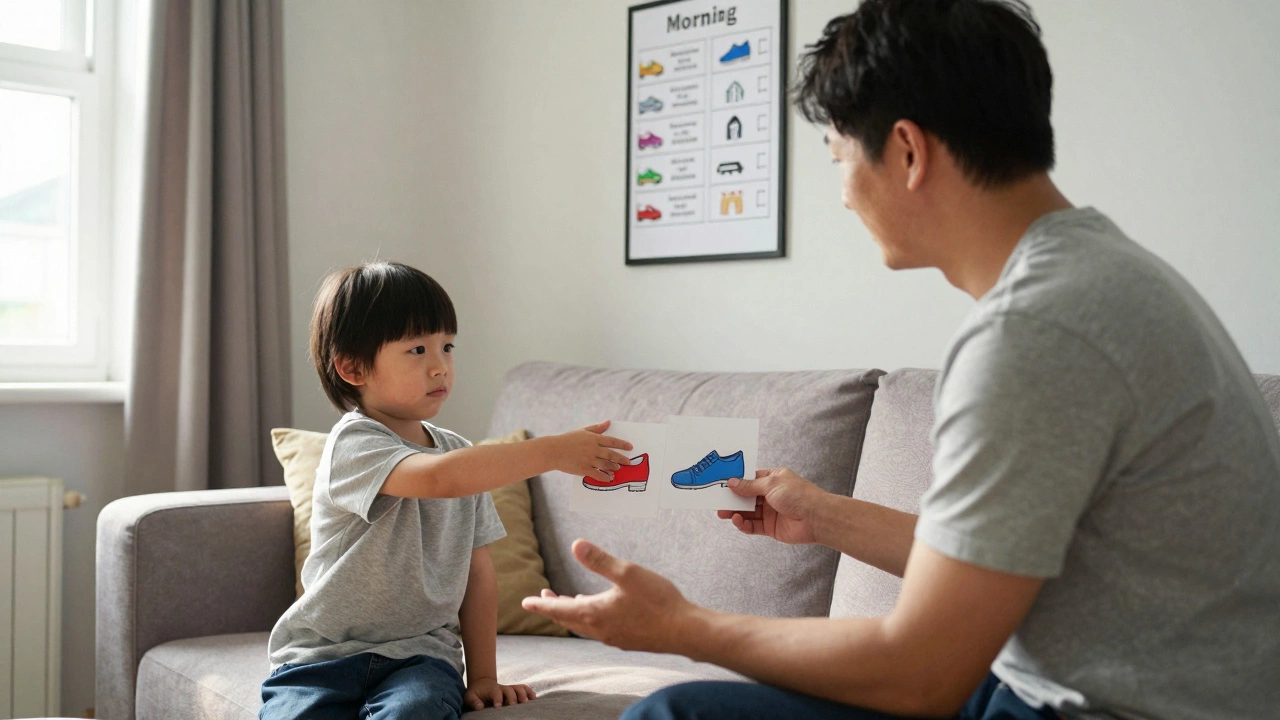
How to Deal with a Defiant Special Needs Child: Practical Strategies That Work
Learn practical, science-backed ways to reduce defiance in children with special needs. Discover how visual schedules, choice-making, and calm communication can transform daily challenges into moments of connection.