Dyslexia in Early Childhood: What Parents and Educators Need to Know
When a child struggles to sound out words, mixes up letters, or seems to forget what they just learned, it’s not laziness—it might be dyslexia, a common learning difference that affects how the brain processes written language. Also known as a reading disability, dyslexia isn’t about intelligence or effort. It’s about how the brain wires itself to handle language—and it shows up early, often before kindergarten. Many parents assume reading trouble means a child isn’t trying hard enough. But the truth? Kids with dyslexia are often working twice as hard just to keep up. They hear the words, they want to learn, but their brain sees letters differently. That’s not a flaw—it’s a different path.
Dyslexia doesn’t show up in isolation. It often connects with other learning differences like processing speed, how quickly the brain takes in and responds to information, or working memory, the mental space that holds onto instructions or sounds long enough to use them. These aren’t separate problems—they’re part of the same system. A child who can’t remember the sound of ‘b’ after hearing it once isn’t being forgetful. Their brain needs more repetition, more structure, more time. And that’s okay. What’s not okay is pretending it doesn’t exist. Schools that wait for kids to fail before acting leave too many behind. Early spotting—like trouble rhyming, naming letters, or following multi-step directions—is your first clue.
What helps? Not more worksheets. Not more pressure. It’s play-based, multisensory learning—tracing letters in sand, singing phonics songs, using blocks to build sounds. These aren’t tricks. They’re science. And they work because they match how dyslexic brains learn best. The biggest barrier isn’t the child’s brain—it’s a system that expects everyone to learn the same way. When educators and parents shift from ‘fixing’ to ‘adapting,’ everything changes. Kids stop feeling broken. They start feeling capable.
You’ll find real stories here—not theories, not generic advice. Parents who’ve been there. Teachers who’ve seen it work. And clear, no-fluff strategies that make a difference in daily life. Whether you’re wondering if your child’s struggles are normal, or you’re already sure something’s off, this collection gives you what you need: facts, not fear.
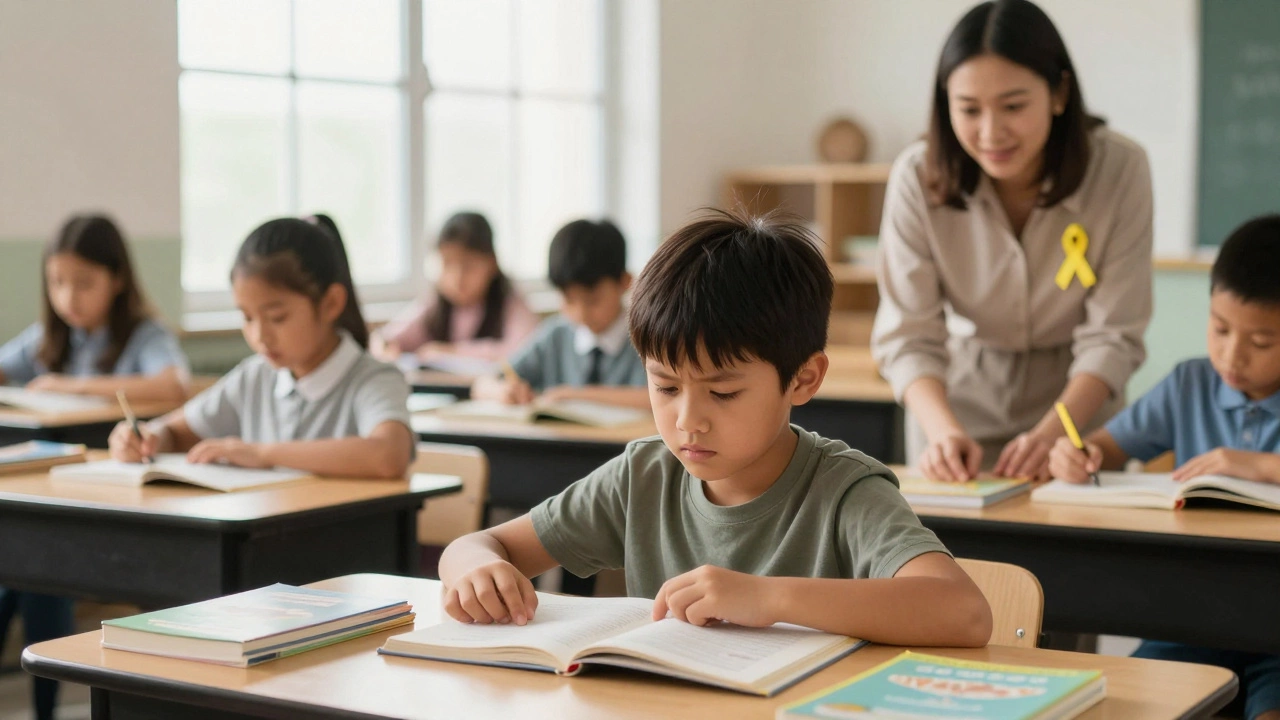
What Is the Most Common Learning Disability in Students?
Dyslexia is the most common learning disability in students, affecting 15-20% of the population. It impacts reading, spelling, and language processing-but with the right support, kids can thrive.