Learning Disability: What It Really Means and How Schools Can Help
When we talk about learning disability, a neurological condition that affects how the brain processes information, making reading, writing, math, or focus harder even when intelligence is average or high. Also known as specific learning disorder, it’s not laziness, poor teaching, or low IQ—it’s a difference in how the brain works. Kids with learning disabilities often try harder than anyone realizes, but they’re stuck in systems built for a different kind of learner.
Many schools still treat learning disabilities like a behavior problem. A child who struggles to read isn’t being defiant—they’re fighting a system that doesn’t show them how to decode words. A student who can’t sit still isn’t disruptive—they’re trying to process information without the right tools. The biggest problem isn’t the disability itself. It’s the rigid classroom structure, a one-size-fits-all approach that ignores how different brains learn. Without visual aids, extra time, or quiet spaces, even the brightest child can fall behind. And when teachers aren’t trained to recognize these needs, stigma fills the gap. Parents hear, "He just needs to try harder," when what the child really needs is a different way to learn.
That’s where special needs education, a tailored approach that adapts teaching methods, materials, and environments to match how each child learns best makes all the difference. It’s not about lowering standards—it’s about changing the path to reach them. Visual schedules, choice-based learning, calm communication, and multi-sensory instruction aren’t luxuries. They’re necessities for kids with dyslexia, ADHD, dyscalculia, or processing disorders. These aren’t theories. They’re tools real teachers use every day to turn frustration into progress.
You’ll find real stories here—not just what’s wrong, but what actually works. From how to spot early signs in preschoolers to how to push back when a school says "we don’t have resources," this collection gives you the facts without the fluff. You’ll see how behavior management isn’t about control, but connection. How the right support turns struggle into strength. And why the most powerful tool in education isn’t a textbook—it’s understanding.
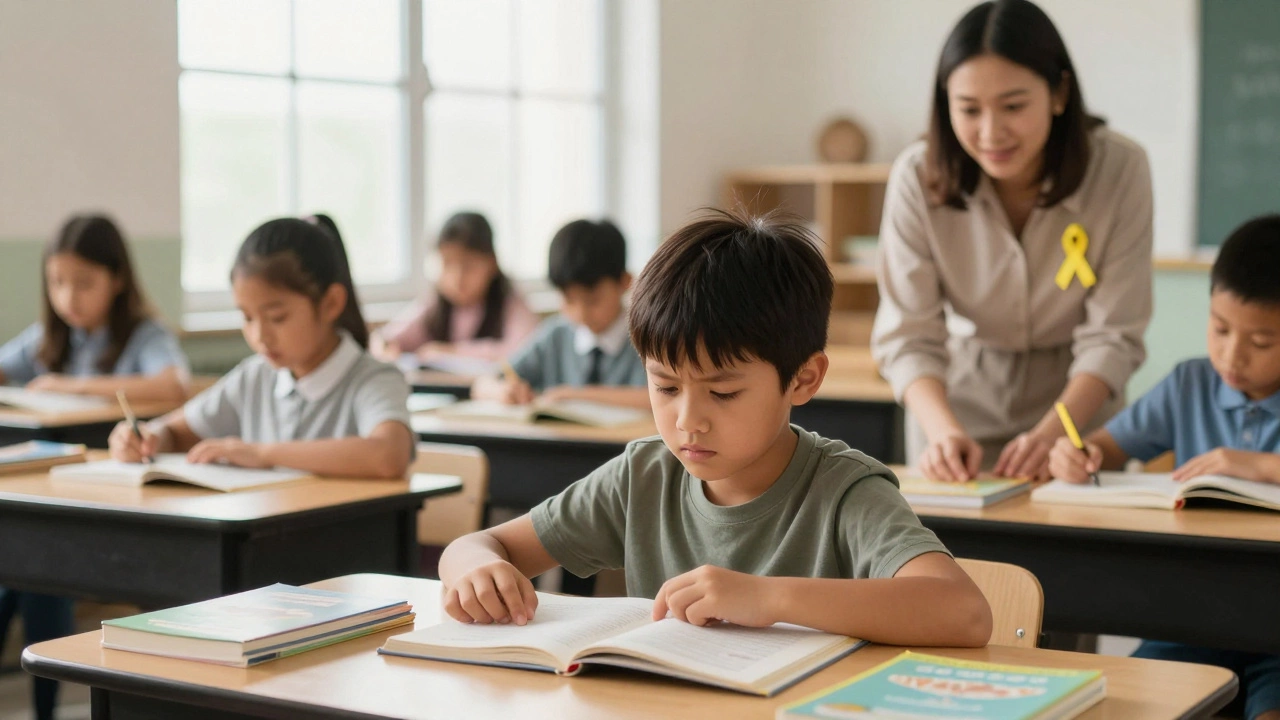
What Is the Most Common Learning Disability in Students?
Dyslexia is the most common learning disability in students, affecting 15-20% of the population. It impacts reading, spelling, and language processing-but with the right support, kids can thrive.