Reading Difficulties: What They Are and How to Help
When a child struggles to sound out words, forgets letters they just learned, or avoids books altogether, it’s often not laziness—it’s reading difficulties, a common challenge in early literacy where the brain processes language differently. Also known as dyslexia, it’s not about intelligence, vision, or effort—it’s about how the brain connects sounds to symbols. Many parents think if a child just tries harder, they’ll catch up. But the truth is, reading difficulties need targeted support, not more pressure.
These challenges often show up before kindergarten. A child might mix up similar-looking letters like b and d, struggle to rhyme words, or have trouble remembering the names of familiar objects. These aren’t just delays—they’re signs the child’s brain needs a different path to learn language. early literacy, the foundation of learning to read through play, songs, and daily conversations is critical here. If it’s not built right, reading becomes a wall instead of a doorway. And when special needs education, a tailored approach that adapts teaching methods to how a child learns best isn’t available, kids start to believe they’re "bad at school"—even when they’re bright and curious.
It’s not about fixing the child. It’s about fixing the system. Kids with reading difficulties thrive when they get visual cues, hands-on activities, and plenty of time to explore language through stories, games, and repetition. They don’t need to be pushed faster—they need to be understood better. That’s why nursery schools that focus on play-based learning, not rigid drills, see the most progress. The goal isn’t to make them read like other kids by age five. It’s to help them build confidence, recognize patterns, and find joy in language—even if it takes a little longer.
What you’ll find in the posts below are real strategies from educators and parents who’ve walked this path. From how to spot early warning signs to what kind of classroom support actually works, these aren’t theory-heavy guides. They’re practical, no-nonsense tools used in real nurseries and homes. You’ll see how simple changes—like using picture cards instead of flashcards, or letting kids choose their own books—make a bigger difference than you might think. This isn’t about catching up. It’s about building a foundation that lasts.
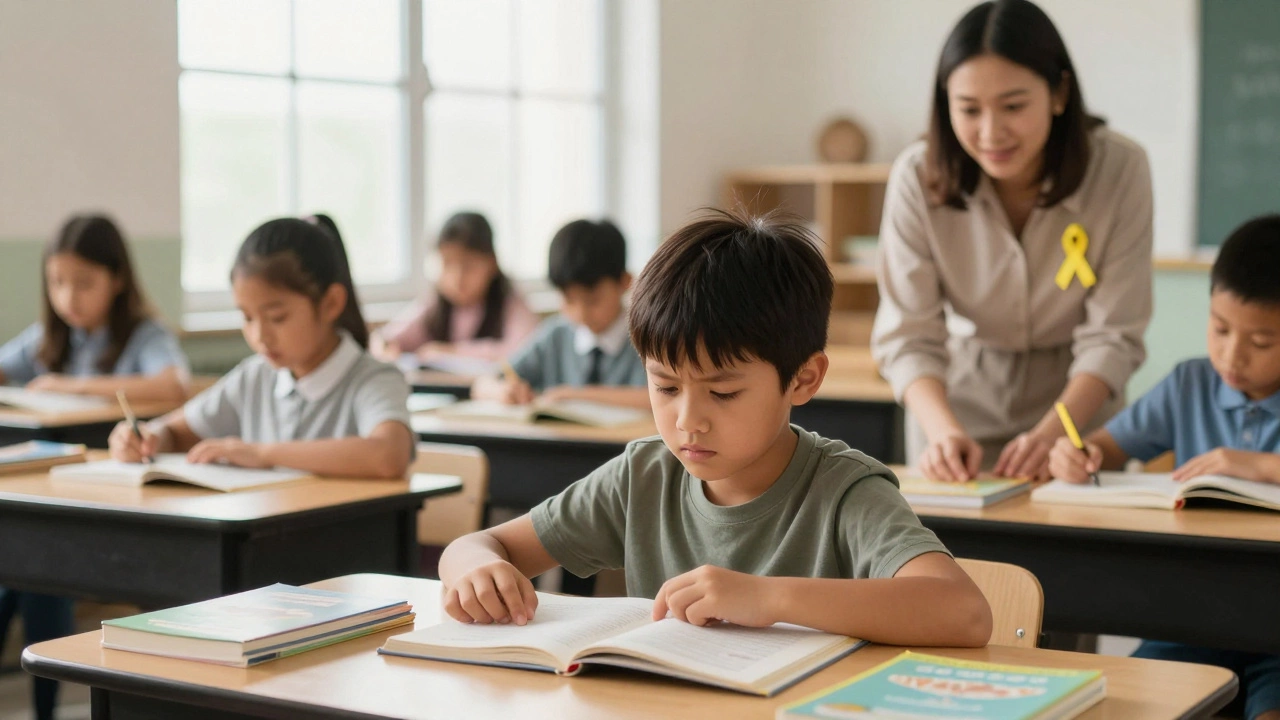
What Is the Most Common Learning Disability in Students?
Dyslexia is the most common learning disability in students, affecting 15-20% of the population. It impacts reading, spelling, and language processing-but with the right support, kids can thrive.