
Homeschooling Efficiency Estimator
Compare focused home-learning to traditional classroom time
Boost Learning with "Stealth Education"
Add these daily activities to increase proficiency without adding formal "desk time":
The Myth of the Six-Hour School Day
To understand why two hours might be plenty, you have to look at what actually happens in a traditional classroom. A teacher isn't just teaching one child; they are managing 25 to 30 students. This means a huge chunk of the day is spent on classroom management: taking attendance, settling disputes, waiting for everyone to open their books, and transitioning between subjects. When you bring that same education home, those "administrative" frictions vanish. You don't need a 15-minute transition to move from math to reading; you just turn the page or switch the book. This is often called the "efficiency gain." A child who struggles with a specific math concept can spend 40 minutes on it until it clicks, rather than being forced to move on because the bell rang. Conversely, a child who grasps a concept instantly can move forward immediately without waiting for the rest of the class to catch up. In this environment, two hours of deep, focused work often equals a full day of school-based instruction.Age-Based Expectations: What's Realistic?
It's unrealistic to expect a seven-year-old and a sixteen-year-old to have the same hourly requirements. A child's ability to concentrate is a biological constraint, not a lack of willpower. If you try to force a first-grader to sit still for six hours, you aren't teaching them-you're just teaching them to hate learning.| Age Group | Estimated Daily Focus Time | Primary Learning Mode |
|---|---|---|
| Early Elementary (K-2) | 1 to 2 hours | Play-based & Reading |
| Upper Elementary (3-5) | 2 to 4 hours | Structured Lessons & Projects |
| Middle School (6-8) | 3 to 5 hours | Independent Study & Research |
| High School (9-12) | 4 to 6 hours | Self-Directed Academic Work |
Focusing on Outcomes Instead of Hours
If you're worried that two hours isn't enough, stop looking at the clock and start looking at the progress. This is the shift from "time-based learning" to "mastery-based learning." In a time-based system, the goal is to survive the day. In a mastery-based system, the goal is to understand the concept. Ask yourself: Can my child read fluently? Can they solve the math problems required for their level? Are they curious and asking questions? If the answer is yes, then the number of hours spent sitting at a desk is irrelevant. Some of the most successful homeschooled students spend very little time on formal instruction because they've developed a habit of Autodidacticism, which is the ability to self-teach and direct one's own learning process. Once a child learns how to learn, they can absorb more in two hours of self-directed research than they would in a week of guided lectures.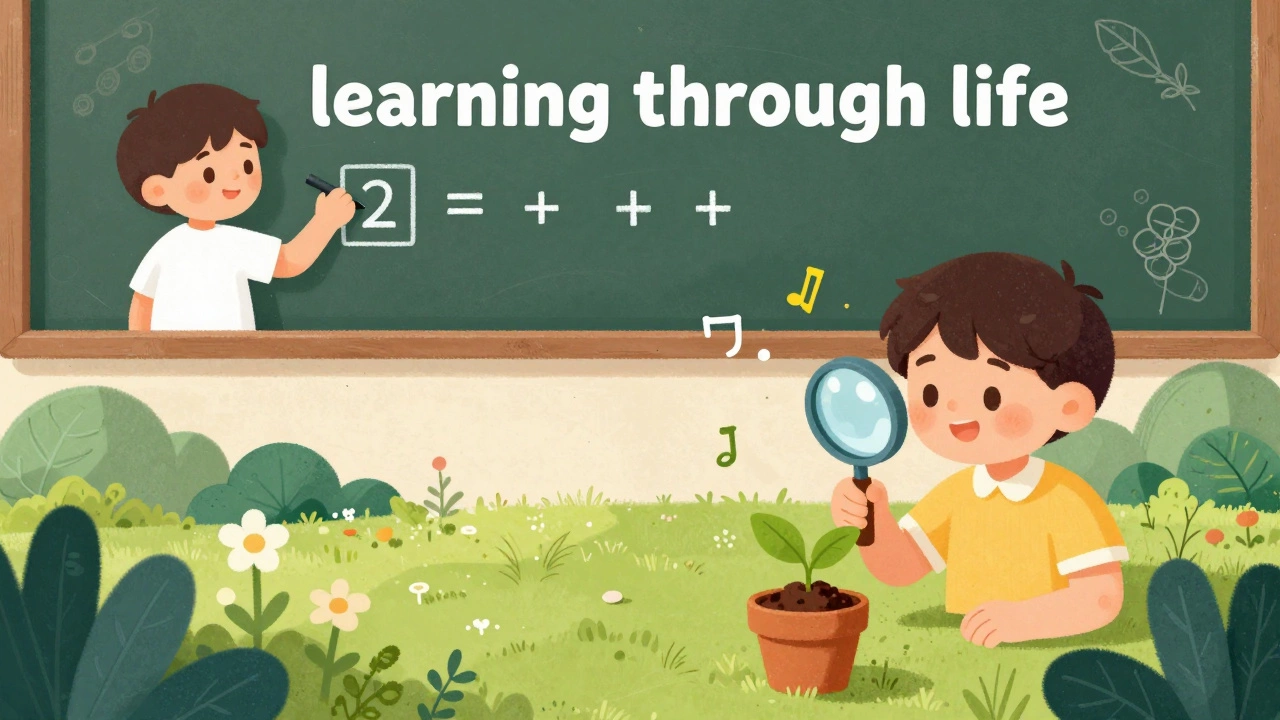
The Danger of Burnout for Parents and Kids
One of the biggest pitfalls for new homeschooling parents is the attempt to recreate the school environment at home. They buy the desks, the bells, and the rigid schedules. This often leads to power struggles. When a child feels the pressure of a simulated school day, they often rebel, making those six hours a battleground rather than a learning space. By keeping the formal work to a concentrated two-hour window, you preserve the relationship between parent and child. You avoid the friction that comes from forcing a child to work when they are mentally exhausted. It's better to have two hours of high-quality, enthusiastic engagement than six hours of resentment and staring blankly at a page. This flexibility is exactly why many families move toward Unschooling, a method of education that is entirely student-led and based on the child's interests, where the concept of "hours" is completely abandoned in favor of natural curiosity.Integrating Learning Into Daily Life
If you decide that two hours of formal instruction is your baseline, you can fill the rest of the day with "stealth learning." This is where the real magic happens. You don't need to set a timer for this; it just happens as part of your day.- Grocery Store Math: Have your child calculate the unit price of different brands of pasta to find the best deal. This teaches decimals and comparison in a real-world setting.
- Kitchen Chemistry: Making bread is a lesson in fermentation and yeast. Discussing why the dough rises is science in action.
- Family Discussions: Talking about a current event during dinner develops critical thinking and oral communication skills.
- Nature Walks: Identifying local birds or plants is a biology and ecology lesson that no textbook can replicate.
Common Pitfalls to Avoid
While two hours can be enough, there are a few traps that can lead to gaps in knowledge. The most common is the "path of least resistance." It's easy to spend two hours on the subjects the child loves (like history or art) while completely ignoring the ones they hate (like long division). To avoid this, use a simple checklist. Instead of timing the day, list the objectives for the week. Once those objectives are checked off, the child is free. This incentivizes efficiency. If they can finish their math and language arts in 90 minutes, they get more free time. This teaches them time management-a skill that is far more valuable in the adult world than the ability to sit in a chair for six hours. Another pitfall is underestimating the need for socialization. While the "academic" part of homeschooling might only take two hours, the "social" part needs its own space. This doesn't mean a classroom; it means sports, clubs, and community projects. Ensure that your shorter academic day leaves plenty of room for these interactions.Will my child fall behind if we only do two hours of formal work?
Not necessarily. Learning is measured by proficiency, not by time spent. Many homeschooled students cover the same material in two hours that a public school student covers in six because there is no downtime or distractions. The key is to track progress through assessments or projects rather than the clock.
How do I handle legal requirements for schooling hours?
Laws vary wildly by region. Some areas require a specific number of days or hours, while others only require that you provide a "comparable education." Most regulators are satisfied if you can prove your child is meeting milestones, regardless of how many hours it took to get there. Always check your local laws or join a local homeschooling group for guidance.
What if my child is bored after two hours?
Boredom is often a sign that the material is too easy or not engaging. Instead of adding more hours of the same work, try changing the medium. Switch from a textbook to a documentary, a project, or a field trip. If they are genuinely craving more structured learning, let them lead the way with a topic they are passionate about.
Is two hours enough for a teenager?
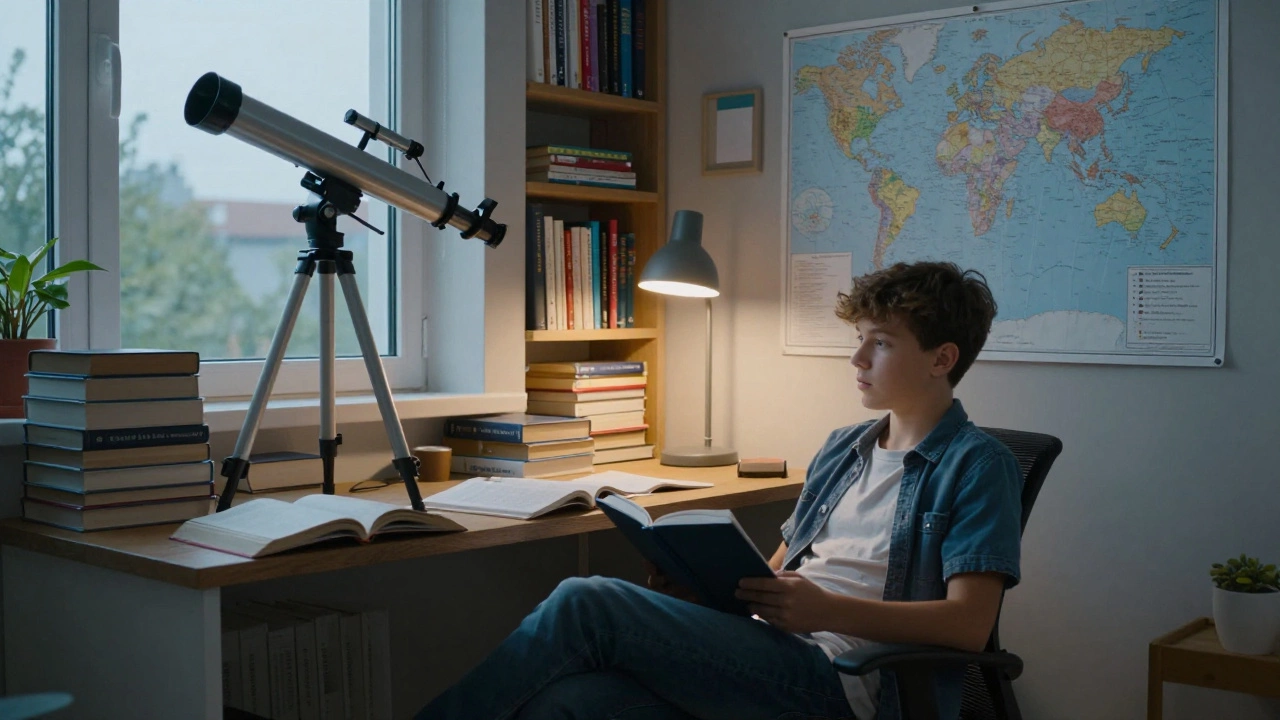
Generally, no. As the complexity of the subjects increases (like chemistry or advanced algebra), the cognitive load requires more time. However, high schoolers should be moving toward independent study. Their "two hours" might be guided instruction, while the rest of their day is spent on independent research, writing, or internships.
How do I know when to increase the hours?
Increase the time when you notice a lack of progress in a specific skill. If your child is struggling with reading and two hours isn't moving the needle, you may need to dedicate more focused time to that specific subject. The goal is to follow the child's needs, not a rigid schedule.